
Two Deals. One Client. Through the COVID Cycle.
- Sold
- $1,275,000
- Listed
- $1,295,000
- vs. ask
- −1.5%
- DOM
- 36 days
- Closed
- June 29, 2021
The brief
A two-deal arc with one client, spanning the deepest stretch of the COVID cycle — two transactions about twelve months apart, in opposite markets:
-
Buy-side, 8 East 83rd Street — closed June 19, 2020. The purchase: a duplex we went into contract on just before the world shut down, then carried through an extraordinarily difficult lockdown-era closing when a great many deals were collapsing. The result — $1,340,000 with a $225,000 credit, an effective $1,115,000, about 25.5% below the $1,495,000 ask — delivered my client an acquisition far inside what the pre-COVID market would have supported.
-
Sell-side, 400 East 85th Street #12F — closed June 29, 2021 at $1,275,000. The sale, almost exactly one year later, as the city reopened and buyer demand returned. Clearing at $1,275,000 against a $1,295,000 ask — a 1.5% reduction in 36 days on market — held the renovation-premium pricing thesis the apartment supported into the reopening buyer pool.
Same client, same advisor, opposite market environments. This is the interpretation and the analysis that drove both deals through.
Part one — the buy-side at 8 East 83rd Street
The search ran for months before the right opportunity surfaced at 8 East 83rd Street: a duplex — stacked across two floors — at the price point my client needed in the 2–3BR Upper East Side cohort. In the client's words, the "diamond in the rough" we'd been hunting for. We went into contract in early 2020, against the seller's $1,495,000 ask.
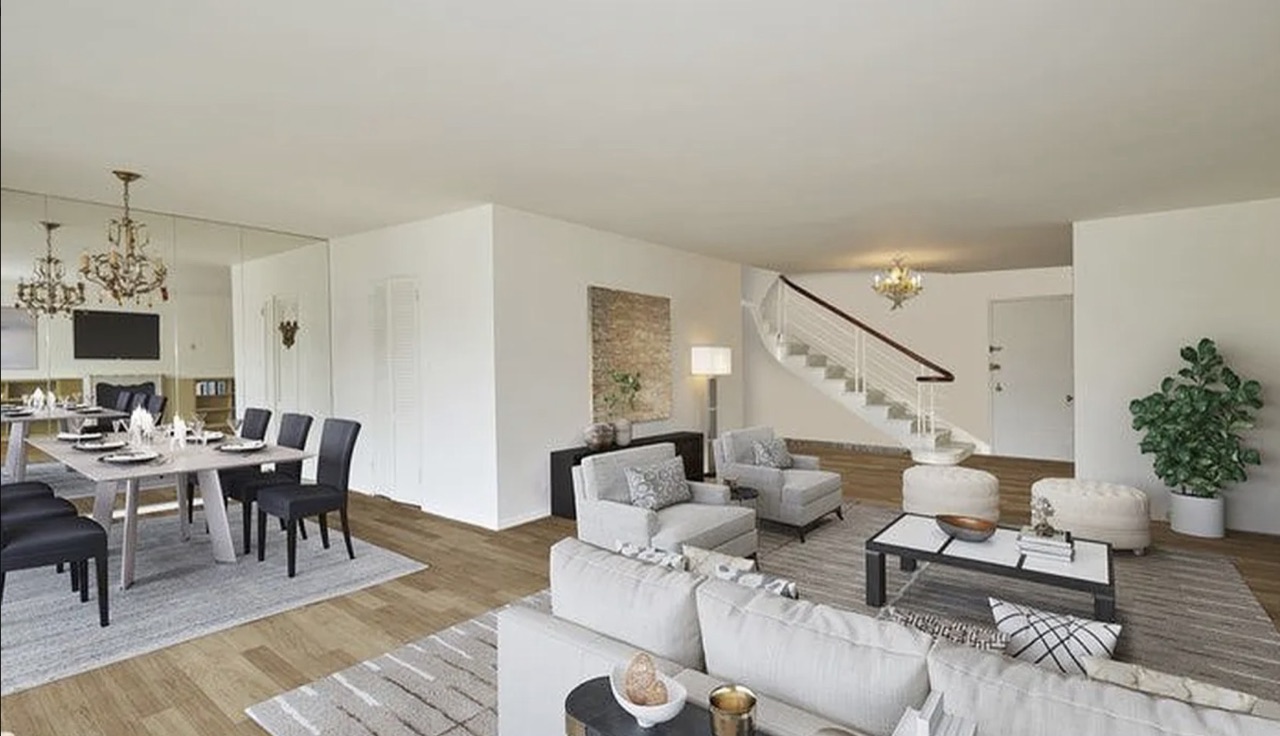
Then, in mid-March 2020, the city closed. Showings, open-house pipelines, active comparables, buyer demand across every Upper East Side price tier — gone, indefinitely. The Manhattan market did not slow; it stopped, and a great many pre-lockdown contracts collapsed with it.

Ours did not. We carried a fragile, mid-pandemic transaction all the way to the closing table and got my client across the line at $1,340,000 with a $225,000 credit — an effective $1,115,000, about 25.5% below the original ask — closing on June 19, 2020, in the deepest stretch of the COVID-era market. For my client: an acquisition executed at a number the pre-lockdown market would never have supported, on the exact apartment they'd spent months hunting for.
Part two — the sell-side at 400 East 85th Street #12F
One year later
By mid-2021, the city was reopening. Vaccines were rolling out, schools were re-opening, offices were planning returns, the Manhattan residential market was substantially through its lockdown trough. The qualified-buyer pool that had retreated through 2020 was re-entering at every price tier.
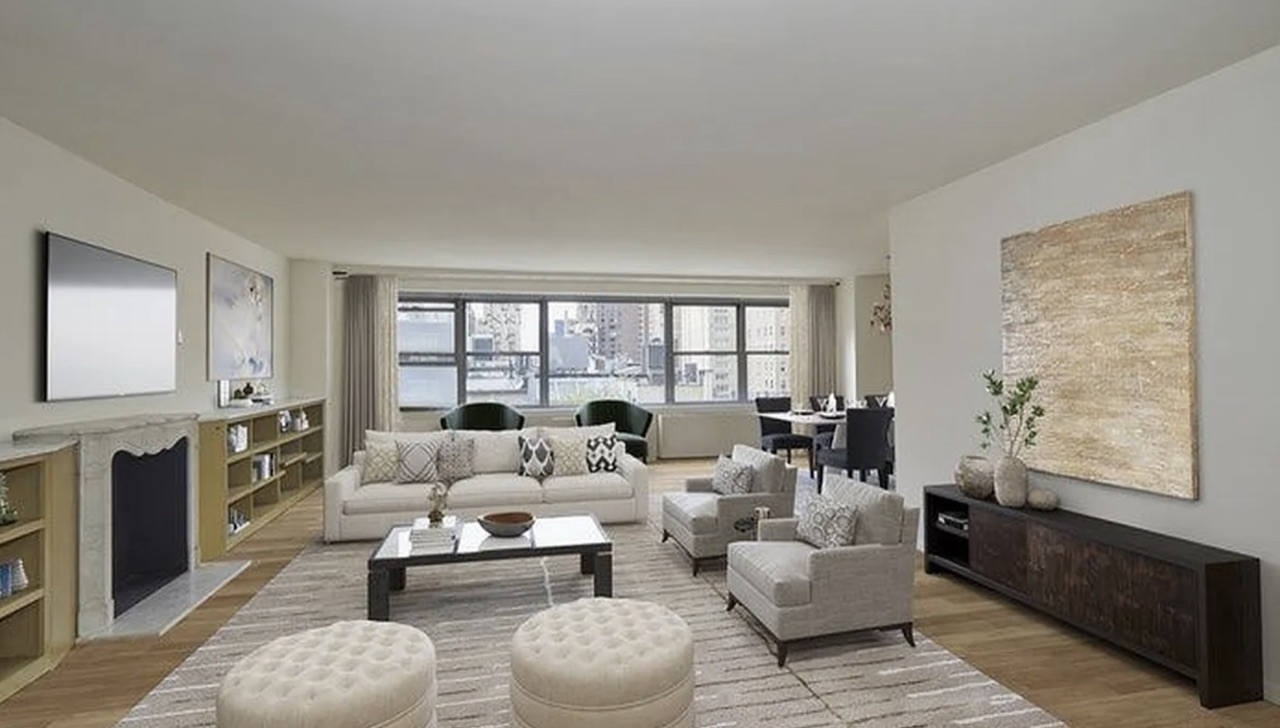
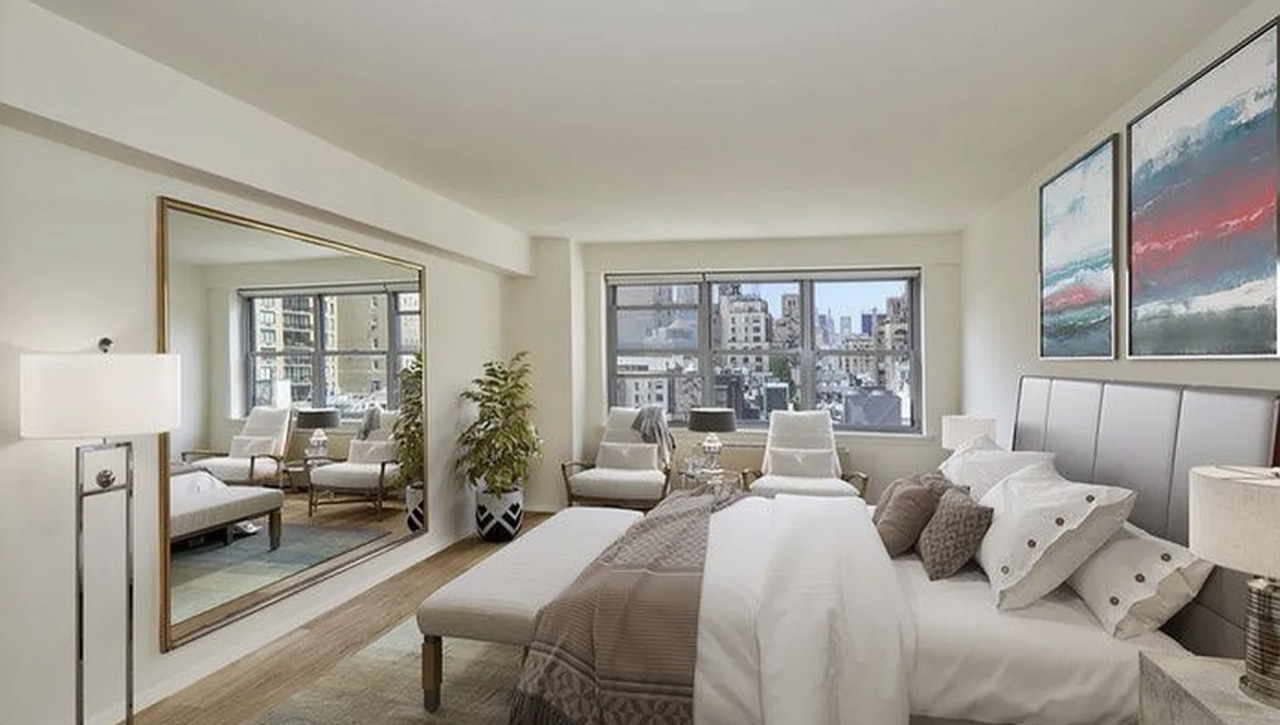
My client — now living in the duplex we'd bought together at 8 East 83rd Street — was ready to sell the prior Yorkville home: #12F at 400 East 85th Street, a corner two-bedroom on the 12th floor that the family had renovated to a triple-mint, fully-overhauled finish before transitioning to the new residence.
The apartment we were selling was, on its specific feature set, a meaningfully better presentation than the building's broader 2BR inventory. The renovation was substantial — open chef's kitchen with top-of-line appliances, marble bathrooms, hardwood flooring throughout, recessed lighting, custom closets, the small-detail-but-meaningful custom radiator covers — and the 12th-floor corner exposure delivered open city views and substantial natural light through windows on two exposures. The Yorkville full-service co-op base (the 400 East 85th Street cooperative — full-service doorman, live-in resident manager, recently renovated fitness center, parking, bulk-purchased utilities included in maintenance, no flip tax, permissive policy framework) supported the apartment's pricing argument.
The pricing thesis
The Yorkville 2BR comp record at mid-2021 was clustering at $900,000–$1,100,000 for unrenovated and modest-renovation inventory at 400 East 85th Street and its peer Yorkville cooperative cohort. Pricing #12F at $1,295,000 explicitly asked the post-COVID buyer market to support a roughly 15–20% premium over the building's median 2BR clearing price, framed entirely around the apartment-specific renovation feature set.
The pricing thesis worked because the post-COVID buyer pool was, at this specific window, weighted toward move-in-ready apartments. Buyers had spent 14+ months inside their existing apartments and had absorbed exactly how much daily-living quality the finish tier of an apartment delivered. The qualified buyer pool for a triple-mint 2BR Yorkville cooperative at $1.295M was deeper than the comparable buyer pool for an unrenovated $1M apartment in the same building — at this specific moment in the market cycle. The premium thesis was, structurally, the right call.
The marketing arc
Thirty-six days on market. Multi-channel digital distribution across REBNY's RLS, Zillow, brokerage networks, social, and email. In-person showings at substantively higher cadence than the previous year's COVID-lockdown by-appointment regime. Every surface explicitly framing the renovation as the apartment's specific value argument against the building's broader 2BR inventory.
The result: $1,275,000 closed on June 29, 2021 against the $1,295,000 ask — a 1.5% reduction in 36 days on market. The renovation-premium pricing held; the discount-creep that typically characterizes premium-priced apartments above their building's broader comp median did not materialize.
The strategic frame across both deals
Two deals, twelve months apart, in opposite markets. The 2020 buy ran into a market re-pricing downward by the week; the 2021 sell ran into one re-pricing upward, with returning demand favoring move-in-ready homes. Both outcomes came from the same discipline — reading where the market was actually operating, not where the comp record said it should be, and calibrating to the conditions in front of us. On the buy, that meant delivering a great price for my client and holding a fragile deal together through the lockdown when so many others fell apart. On the sell, it meant pricing to the renovation premium the apartment genuinely supported and giving that thesis the marketing runway to find its buyer.
This is how I work — buy-side or sell-side — on every engagement. The specifics evolve with the market; the framework is durable.
What the client said
"I thought: I don't need another broker to send me listings I'm already seeing online. And then I met Corey. He stuck by our side through a search for a diamond in the rough and guided us through an extremely difficult negotiation. Corey is much more than a broker — he is an advisor."
— Vice President at an NYC Construction Firm
Considering a Manhattan purchase or sale — including in a market that doesn't fit the standard playbook?
The two-deal framework I ran with this client — the lockdown buy-side and the reopening sell-side — is repeatable across the Manhattan cooperative and condominium inventory. It is the framework I use on every engagement, calibrated to the actual market conditions the transaction is operating inside.
If you're considering a purchase or a sale, a 30-minute consultation is the right starting point. We'll talk through the specific apartment, the specific building, the specific corridor, and the specific market dynamics your transaction will run inside — and the strategic frame that gets the deal done at the right outcome.
The presentation set.
Selling at 400 East 85th Street — or comparable inventory?
A 30-minute pricing-and-strategy review is the right starting point. We bring the building-level analytics, the recent comp record, and the marketing-and-board calibration your situation requires.
