
Park Avenue
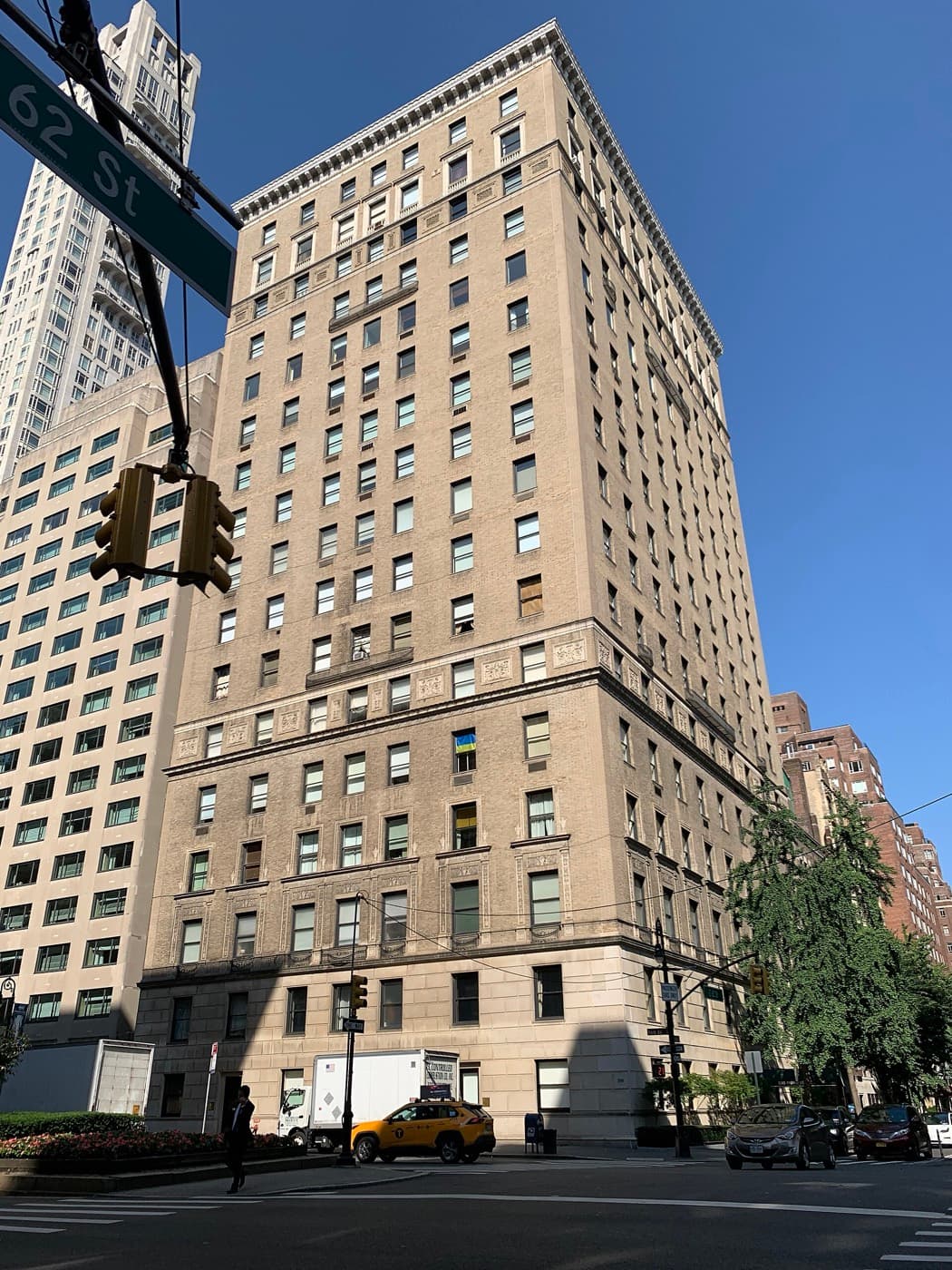
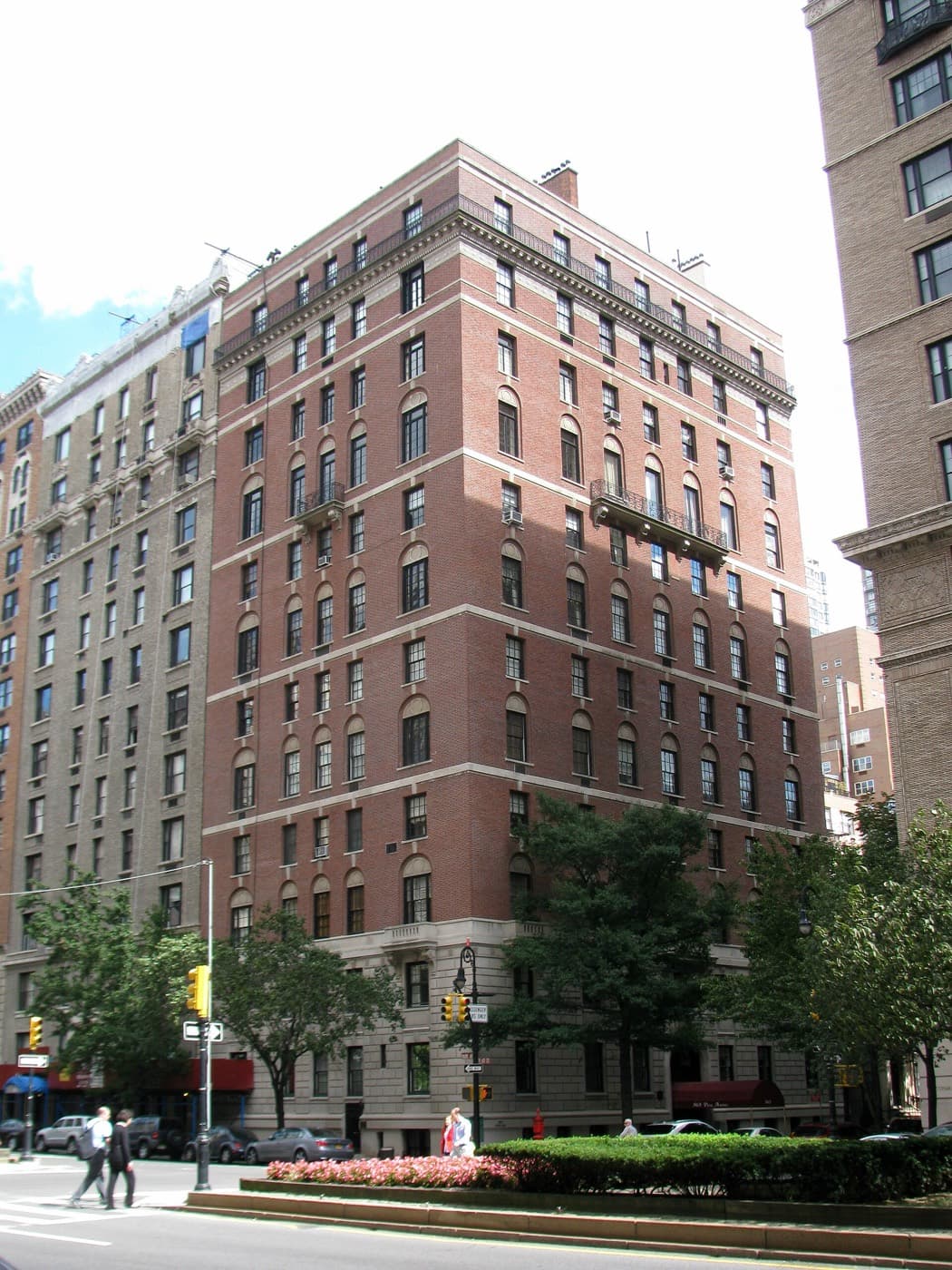
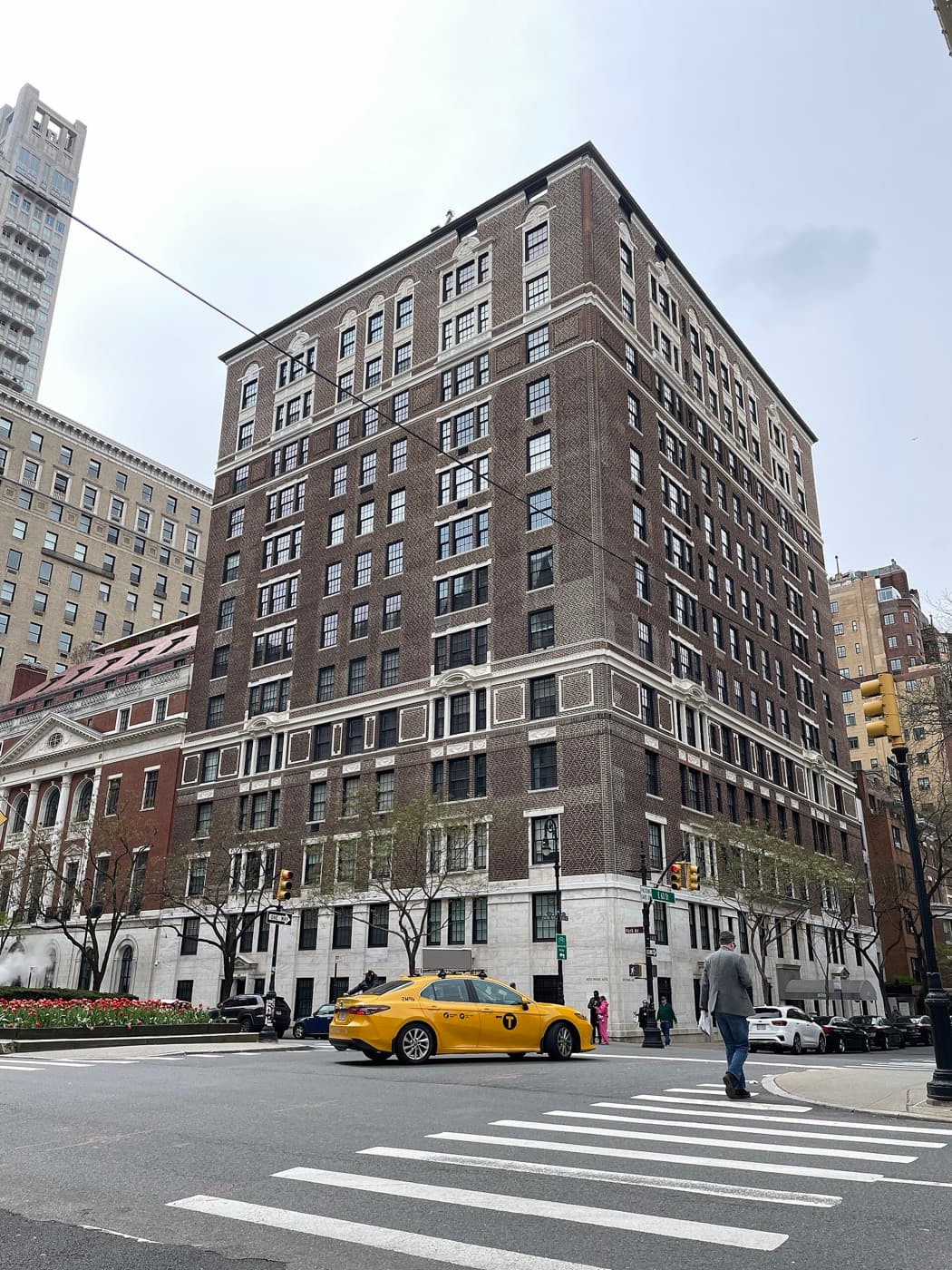
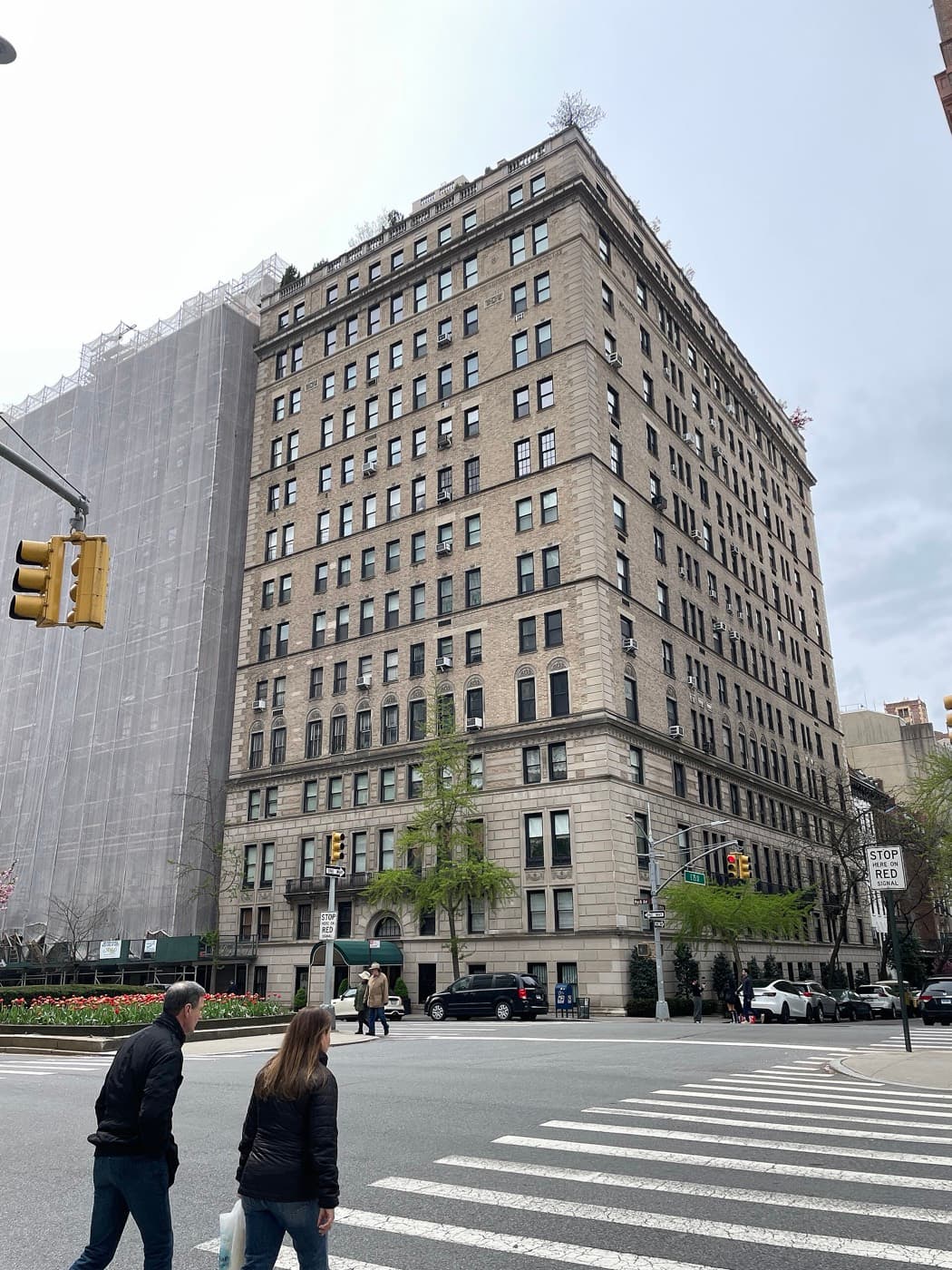
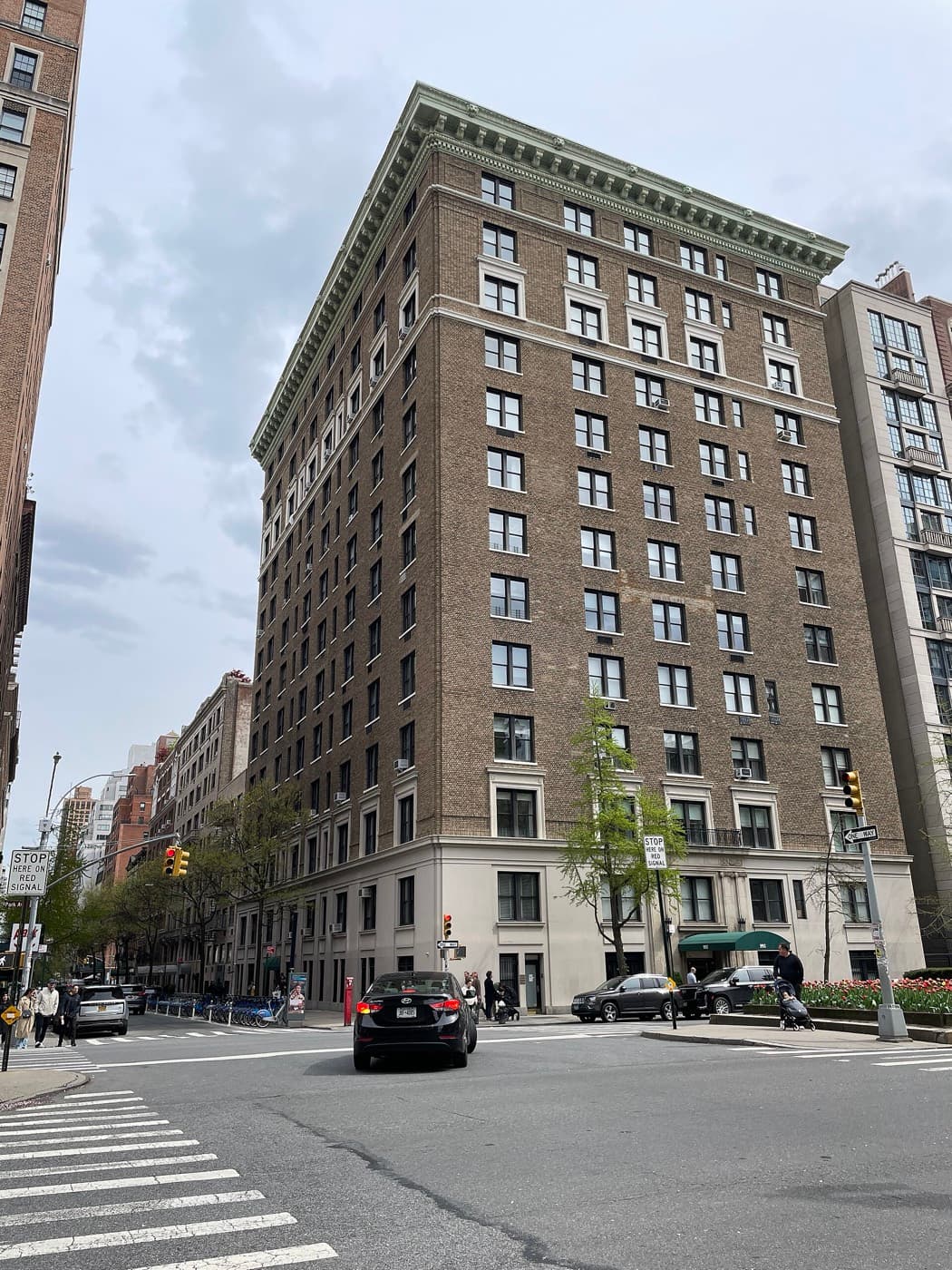
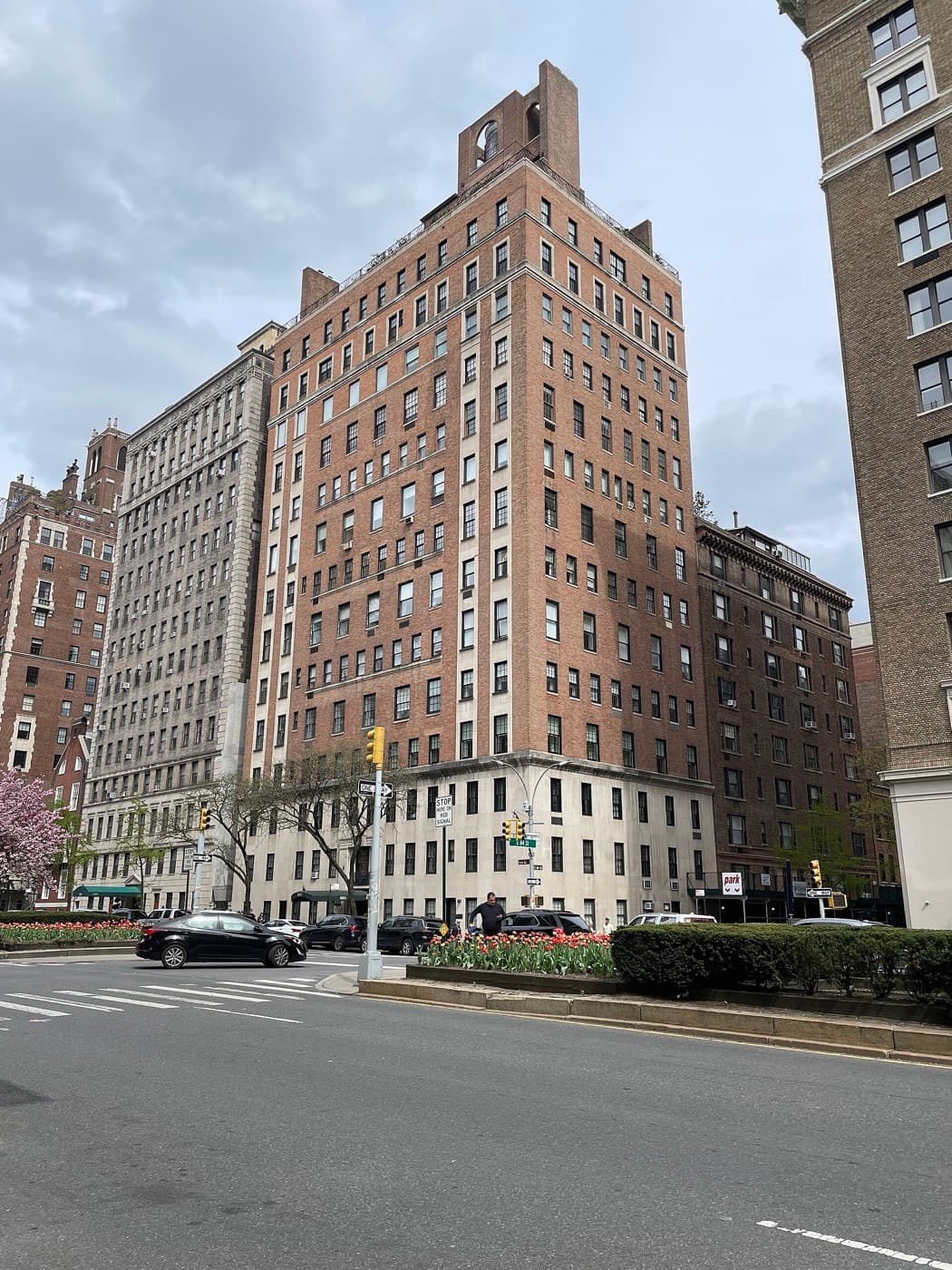
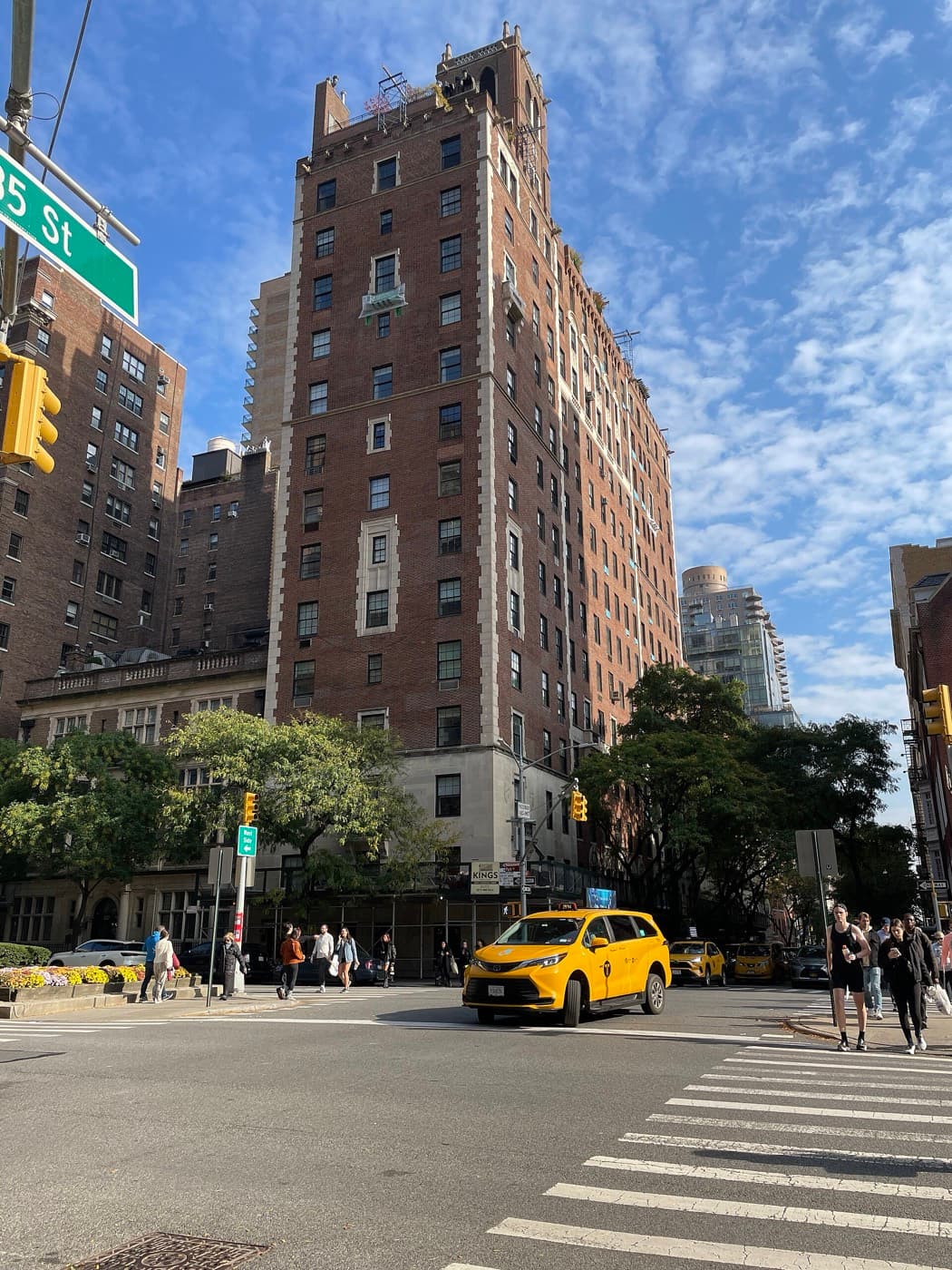
Park Avenue is the Upper East Side's residential spine, with prewar co-ops by Carpenter, Candela, the Blum brothers, and other architects from the peak era of Manhattan apartment-house design.
What Park Avenue is selling for
Movement of the annual median — not adjusted for transaction mix. Which apartments happened to trade (size, floor, condition, line) moves these as much as value does; the sample behind each is shown beneath it.
Two markets, one neighborhood. Since 2016, Park Avenue condos are down 18% and co-ops up 4% on paper — but after inflation, −38.9% and −22.4% in real terms.
Movement of the annual median — not adjusted for transaction mix. Which apartments happened to trade (size, floor, condition, line) moves these as much as value does; the sample behind each is shown beneath it.
Method & coverage
Method. Condos are measured per square foot, co-ops per room (room counts from listing data; sales without a usable room count are excluded). The percentages are movement of the annual median — not a constant-quality or repeat-sale index — so transaction mix moves them as well as value. Real-terms figures deflate that same median by CPI.
Coverage. 3,068 recorded sales. Before the figures above, 41 non-arms-length transfers (nominal estate, gift, or intra-family deeds and mis-recorded bulk filings) and 86 duplicate records of the same deed (a combined apartment or penthouse recorded under more than one unit label) were removed. Corridors may overlap — a sale can appear in both a neighborhood set and a narrower avenue set. Recorded transfers via NYC Department of Finance, enriched by The Roebling Research Library.
The most-recognized luxury residential address in America — the prewar cooperative spine of the Upper East Side, anchored by Rosario Candela's 1925–1931 building cycle, the institutional finance and industry buyer class that has occupied the corridor for a century, and the wide planted median that distinguishes Park Avenue from every other residential boulevard in Manhattan.
The Park Avenue argument
Park Avenue is the residential corridor in Manhattan against which much of the country's luxury residential market is implicitly measured. It is the address that the country's institutional finance, industrial, philanthropic, and political leadership has, for the past hundred years, most consistently chosen as the location of its primary urban residence — not because it is the prettiest residential corridor in New York (Central Park West and Fifth Avenue command stronger Park frontage), not because it is the most architecturally varied (Greenwich Village and the West Village have deeper historical layering), and not because it is the most amenity-rich (the new-construction supertall tier on West 57th Street and Central Park South delivers more comprehensive modern amenities). What holds its standing is harder to replicate: a tight band of 1920s and 1930s cooperatives, built by a handful of architects at the peak of the prewar luxury cycle, lived in for a century by a remarkably continuous set of families, and protected by some of the strictest co-op boards in the country from the churn that reshaped the rest of the city.
The corridor's character rests on three things. The first is the Candela peak: the seven-year run between 1925 and 1931 during which the Sicilian-born architect Rosario Candela designed a sequence of Park Avenue cooperative apartment houses — 720, 740, 770, 778, and several others — that, taken together, define the canonical Manhattan luxury floor plan and the architectural register against which every subsequent generation of New York luxury construction has been measured. The second is the cooperative governance tradition: Park Avenue cooperatives have, since the 1929 conversion of the corridor's apartment-hotel inventory to shareholder ownership, operated some of the most selective and substantively engaged boards in American residential real estate, with the Park Avenue cooperative board interview now occupying a recognizable cultural register of its own. The third is the planted median: the 13-foot-wide center divider that runs the length of the corridor from 46th Street north to 96th Street, planted seasonally with tulips and Christmas trees by the Fund for Park Avenue and visible from nearly every Park Avenue apartment, which makes the avenue itself — rather than any single building — the dominant visual reference for residents.
These three reinforce each other. The Candela buildings set the architectural standard; that standard drew the buyers who have held the apartments for a century; the planted median ties the whole stretch together as one residential environment. No other Manhattan corridor has all three. The Upper West Side has the architectural pedigree on Central Park West but a different co-op culture and no planted median. Fifth Avenue has the Park frontage and the pedigree but a different cooperative tier and a different buyer. Lower Fifth in Greenwich Village has the Candela-and-Roth tradition at smaller scale, but a different board culture and a more intellectual-than-institutional buyer.
The buyer who chooses Park Avenue is making a deliberate institutional decision. The cooperative review will be substantive, the financing rules will be tight, the post-closing liquidity requirements will be heavy, the alteration agreement will be specific, and the pied-à-terre permissions will be narrow or absent. The trade-off is the corridor's century-long demonstration of price stability, the institutional buyer pool that supports resale at every price tier, and the architectural and cultural pedigree that is, in the relevant senses, the most concentrated in the United States.
The boundaries and what defines the residential corridor
The Park Avenue residential corridor occupies the stretch from approximately East 60th Street north to approximately East 96th Street — a thirty-six-block band on the Upper East Side that constitutes the densest concentration of tier-one cooperative apartment houses in Manhattan. South of 60th Street, Park Avenue transitions into Midtown and the commercial Park Avenue South of the 30s and 40s (a different corridor entirely — office and hotel inventory). North of 96th Street, the corridor transitions into East Harlem, where the railroad emerges from underground at the Park Avenue viaduct and the residential character changes substantively.
Within the corridor, three sub-bands organize the inventory. The 60s and lower 70s — the Lenox Hill stretch — contain the corridor's commercial-and-residential transition zone, with the Park Avenue Armory at 67th Street and Park Avenue serving as the corridor's most-recognized public building, and a mix of cooperative and condominium addresses south of 72nd Street. The 70s and 80s — the corridor's residential heart — contain the densest concentration of tier-one Candela, Carpenter, Roth, and Schwartz & Gross cooperatives, with the most-recognized addresses (740, 770, 778, 765, 778, 800) clustered in this band. The upper 80s and 90s — the Carnegie Hill stretch — extend the prewar cooperative inventory northward at slightly more accessible price points and with a school-pipeline character (Brearley, Spence, Chapin, Nightingale-Bamford, Sacred Heart) that anchors the buyer demographic to families with young children.
The corridor's cross-streets — the east-west cross-streets that intersect Park Avenue — produce their own pricing and character variations. The "good" cross-streets in luxury real-estate vocabulary are the streets that contain the highest concentration of brownstone-and-mansion side-street inventory and that have retained the tree-canopy and low-density character that supports the corridor's residential register: East 70th, East 71st, East 72nd, East 73rd, East 74th, East 75th, East 76th, East 78th, East 79th, East 80th, East 81st, East 82nd, East 83rd, East 84th. The numbered streets between Fifth and Park are particularly prized; the streets between Park and Lexington are the next tier; the streets between Lexington and Third are a step below; and inventory east of Third Avenue trades on different dynamics.
What distinguishes Park Avenue from the surrounding Upper East Side inventory is the corridor's coherence. The cooperatives lining Park Avenue between 65th and 90th Streets were almost entirely built in a 1925–1931 building cycle, by a small set of architects (Candela above all, with substantial work by J.E.R. Carpenter, Emery Roth, Schwartz & Gross, and Cross & Cross), to a recognizable and consistent architectural standard. The cross-street inventory is more heterogeneous — earlier brownstones, later prewar conversions, postwar mid-century additions — but the Park Avenue spine itself is one of the most architecturally coherent corridors in the city.
The Candela peak: 1925–1931
The Sicilian-born architect Rosario Candela designed approximately seventy New York City apartment buildings during a working career that began in 1920 and effectively ended with the Depression in the early 1930s. The buildings he designed between 1925 and 1931 — his peak years — include almost every address that current Manhattan luxury real estate professionals would name as a "tier-one" cooperative apartment house. The concentration of these buildings on Park Avenue is what made the corridor what it is. (Candela's broader work, including his Fifth Avenue and West End Avenue buildings, is covered in our Rosario Candela architect profile.)
740 Park Avenue (Candela in association with Arthur Loomis Harmon, 1929–1930) is the corridor's most-recognized address and, by most measures of price-per-square-foot and depth of the resident roster, the single most prestigious cooperative in the country. The 31-unit, 17-story building has, across its century of occupancy, included as residents Brooke Astor, Jacqueline Bouvier (who grew up in the building before her marriage to John F. Kennedy), Vera Wang, Stephen Schwarzman, Henry Kravis, John Thain, Christopher Forbes, and a continuing roster of Wall Street and industrial principals. The building's cooperative board is famously the most selective in Manhattan; rejection rates and the documented difficulty of certain high-profile applications — including a widely reported initial rejection of Steve Mnuchin's purchase — have made 740 Park the reference point for the upper limits of Park Avenue board selectivity.
720 Park Avenue (Candela, 1929) is 740 Park's near-twin in architectural register and cooperative tier. The 13-unit building, with its corner siting at 71st and Park, has historically held the kind of resident roster — finance, industrial, philanthropic — that defines the corridor.
770 Park Avenue (Candela, 1930) is a 27-unit cooperative whose floor plates and unit configurations exemplify the Candela prewar standard: long entrance galleries, classically proportioned living rooms with substantial fireplace presence, separate libraries and dining rooms, primary bedroom suites with the architectural integrity to support contemporary renovation without losing the prewar character.
778 Park Avenue (Candela, 1931) sits at the corner of 73rd and Park and represents one of the latest Candela cooperatives — completed at the bottom of the Depression-era market and absorbed into shareholder ownership through the building's original cooperative offering.
The Candela buildings on Park Avenue, in addition to those listed above, include several smaller cooperatives that round out the corridor's inventory. The cumulative effect of the cluster — five major Candela cooperatives within a ten-block band — is the architectural concentration that distinguishes Park Avenue from any other Manhattan residential corridor.
The other architects: Carpenter, Roth, Schwartz & Gross, Cross & Cross
Candela was the dominant architect on Park Avenue but not the only one. Four other prewar firms produced substantial portions of the corridor's inventory and shaped the architectural register in their own right.
J.E.R. Carpenter — Tennessee-born, Beaux-Arts-trained — designed dozens of Manhattan luxury cooperatives during the 1910s and 1920s, with his most concentrated work on Fifth Avenue (635 Park, 580 Park, 950 Fifth, 1030 Fifth, 1040 Fifth). His Park Avenue work, while less dense than his Fifth Avenue concentration, includes several of the corridor's most architecturally distinguished buildings. Carpenter's floor plates tend to emphasize entry-foyer formality, dining-room separation, and the kind of room-to-room circulation patterns that distinguish prewar luxury from postwar open-plan layouts.
Emery Roth — Hungarian-born, the most prolific architect of New York luxury apartment houses in the 1920s — designed multiple Park Avenue buildings in his own name and through his firm (later Emery Roth & Sons). Roth's Park Avenue work tends to be at slightly more accessible price points than the Candela or Carpenter tier, with somewhat smaller average unit scale and somewhat lighter cooperative culture, but with the architectural craft and structural integrity that anchored Roth's reputation.
Schwartz & Gross designed buildings across Manhattan during the prewar period, including substantial Park Avenue work. Their Park Avenue inventory occupies the corridor's mid-tier and is characterized by floor plates that emphasize residential usability rather than the absolute formal scale of the Candela tier.
Cross & Cross — the Cross brothers — designed Park Avenue cooperatives during the same prewar window. Their work tends toward the more architecturally restrained register of the corridor, with elegant Georgian and neoclassical exteriors that have aged exceptionally well.
For buyers evaluating a specific Park Avenue address, the architectural attribution is one of several factors that determine pricing — alongside the building's cooperative tier, the apartment's specific configuration and condition, the floor and exposure, and the building's specific operational and financial profile. The architect's name tends to set a floor under the building's price; the specific apartment decides where within the building's range it lands.
The Park Avenue malls and the urban-design context
The 13-foot-wide planted median that runs the length of Park Avenue between 46th and 96th Streets — the "Park Avenue malls" — is the corridor's most-recognized urban-design feature and one of the few systematically planted residential medians in any American city. The medians were installed in their current form in the 1920s, after the New York Central Railroad's at-grade tracks (which originally ran down the center of the avenue) were submerged beneath the present street level. The space that had been the tracks became the medians.
The medians are planted seasonally by the Fund for Park Avenue, a private nonprofit organization that has assumed responsibility for the corridor's plantings since its founding in 1980. The Fund's signature plantings — beds of yellow and white tulips in the spring, summer annuals in mid-year, fall plantings in October, and the corridor's annual lighting of approximately 100 Christmas trees from East 54th through East 96th Streets during the holiday season — have become defining seasonal markers of the Park Avenue residential experience.
The medians also serve as the corridor's primary public sculpture venue. The Fund for Park Avenue's sculpture program, established in 1999, installs rotating large-scale sculptural works in the medians; artists who have shown work on the corridor include Alice Aycock, Mel Kendrick, Donald Lipski, Beverly Pepper, Manolo Valdés, and others.
The effect carries real weight. From an apartment with a south- or east-facing exposure, the median is the dominant view; the avenue reads not as a street but as a planted boulevard. It's what sets Park Avenue apart from any other Manhattan corridor, and part of what it commands a premium for over the surrounding Upper East Side.
The Park Avenue Armory and the corridor's cultural anchor
The Park Avenue Armory at 643 Park Avenue (between East 66th and East 67th Streets) is the corridor's most-recognized public building and the cultural anchor that, more than any other single institution, defines the corridor's contemporary public-cultural identity. The Armory was built between 1877 and 1881 as the headquarters of the Seventh Regiment of the New York National Guard — a unit composed largely of Manhattan's social elite — and designed by Charles W. Clinton in a High Victorian Gothic register with substantial interior decoration by Louis Comfort Tiffany, Stanford White, Herter Brothers, and others.
The interior decorative program is among the most significant Gilded Age interior collections in the United States. The Veterans Room (designed by Stanford White and Louis Comfort Tiffany) and the Library (designed by Herter Brothers) are National Historic Landmarks; the Armory as a whole was designated a New York City landmark in 1967 and added to the National Register of Historic Places in 1975.
Since 2007, the Armory has operated as Park Avenue Armory — a nonprofit cultural institution staging large-scale visual art, theater, and music performances in the building's 55,000-square-foot Wade Thompson Drill Hall and in the historic interior period rooms. Recent programming has included Christoph Marthaler, William Kentridge, Pierre Audi, Robert Wilson, and a continuing roster of large-scale contemporary work.
For residents, the Armory anchors the corridor as a cultural venue, not just a residential address, and its preservation has held the character around 66th and 67th Streets to a standard the rest of the corridor measures itself against.
Schools: the Carnegie Hill and Park-and-Madison private school cluster
The Park Avenue corridor — particularly the band from East 80th Street north — sits adjacent to one of the densest concentrations of independent K–12 schools in the United States. The corridor's private-school adjacency is one of the main reasons families concentrate on Park Avenue in the upper 70s, 80s, and 90s; school-aged children in the corridor can walk to many of New York's best-known independent schools.
The Brearley School (610 East 83rd Street, all-girls, K–12) and The Chapin School (100 East End Avenue, all-girls, K–12) anchor the eastern end of the Carnegie Hill / Yorkville school zone. The Spence School (22 East 91st Street, between Madison and Fifth, all-girls, K–12) sits on the corridor itself. Nightingale-Bamford School (20 East 92nd Street, between Madison and Fifth, all-girls, K–12) sits one block north of Spence. Convent of the Sacred Heart (1 East 91st Street, all-girls, JK–12) occupies the Burden Mansion on Fifth Avenue at 91st. Dalton School (108 East 89th Street, between Park and Lexington, co-ed, K–12) is the corridor's largest co-ed independent school. Marymount School of New York (1026 Fifth Avenue at 84th, all-girls, K–12) sits on Fifth. Saint David's School (12 East 89th Street, all-boys, K–8) is the corridor's principal all-boys lower school. The Buckley School (113 East 73rd Street, all-boys, K–9) is the boys' equivalent at the southern end of the corridor. Saint Bernard's School (4 East 98th Street, all-boys, K–9) anchors the northern end of the Park Avenue school cluster.
The corridor's public school anchors include PS 6 (45 East 81st Street, K–5, Lillian Devereux Blake School), one of the city's most-sought public elementary schools; MS 167 (Robert F. Wagner Middle School, 220 East 76th Street, grades 6–8); and the citywide specialized public high schools accessible from the corridor.
For buyer families weighing the corridor against alternative residential locations, the school adjacency is often the deciding structural factor. The Park Avenue cooperative inventory in the upper 70s, 80s, and 90s has historically anchored the demand from families with young children for whom the daily walk to school is a real priority. (Our NYC private schools guide covers the broader landscape.)
Restaurants and dining
The Park Avenue corridor's restaurant ecosystem clusters not on Park Avenue itself (which is overwhelmingly residential) but in the adjacent commercial corridors — Madison Avenue, Lexington Avenue, and the cross-streets — that provide the dining and retail infrastructure for the corridor's residents.
Daniel (60 East 65th Street, between Madison and Park, Daniel Boulud, opened 1993) is the corridor's best-known fine-dining room and one of the country's most celebrated French restaurants. Café Boulud (76th Street near Madison, Daniel Boulud's bistro at the Surrey Hotel) is the Boulud system's casual-formal partner. The Mark Restaurant by Jean-Georges (25 East 77th Street, Jean-Georges Vongerichten at the Mark Hotel) is the corridor's other principal hotel-restaurant anchor.
Sant Ambroeus — the Milanese coffee-and-restaurant institution — operates locations on Madison Avenue (1000 Madison at 78th Street) and elsewhere on the Upper East Side that have become daily-life anchors for corridor residents. Via Quadronno (25 East 73rd, between Madison and Fifth) is the Italian café institution near 740 Park. Yura on Madison is the long-running Madison Avenue café and prepared-foods institution. Bemelmans Bar at the Carlyle Hotel (35 East 76th Street, Madison and East 76th) is the corridor's most-recognized cocktail bar and one of the city's most consequential live-music venues.
Café Sabarsky at the Neue Galerie (1048 Fifth Avenue at 86th, in the Vanderbilt-built Carrère and Hastings mansion that houses the museum) is the corridor's best-known Viennese café and a midday anchor for the Carnegie Hill stretch.
For Park Avenue corridor residents specifically, the walking radius to the full Madison Avenue restaurant-and-retail spine is typically four to seven blocks; the Lexington Avenue casual-dining and grocery infrastructure (Citarella, Eli's Market on Madison, Eli's Manhattan on Third) is two to three blocks east of the avenue.
Transit and daily-life infrastructure
The Park Avenue corridor is served principally by the Lexington Avenue subway line — the 4, 5, and 6 trains running beneath Lexington Avenue one block east of Park. The line's residential-corridor stations are at 59th Street (4/5/6/N/R/W), 68th Street–Hunter College (6), 77th Street (6), 86th Street (4/5/6), and 96th Street (6).
The Lexington Avenue line is the densest north-south subway corridor in the United States by daily ridership, and the corridor's transit accessibility is — despite the residents' often-stated preference for taxi and car service — among the strongest in Manhattan. Crosstown bus service on the East Side runs principally on the cross-streets (M66, M72, M79, M86, M96), with limited east-west subway alternative (the corridor sits between the 7 Line at 42nd Street and the Q Second Avenue Subway at 72nd/86th/96th).
The Q Train Second Avenue Subway (opened January 1, 2017) added a parallel subway corridor along Second Avenue with stations at 72nd, 86th, and 96th, providing an alternative for cross-park and Midtown commuters. The line has substantially improved the corridor's transit profile relative to its pre-2017 configuration.
Park Avenue itself does not have a subway. The corridor is served by the Metro-North commuter rail (Grand Central Terminal at 42nd Street, accessible from the corridor by Lexington Avenue subway), which provides direct connections to Westchester, Connecticut, and the broader regional commuter network.
The corridor's retail-and-daily-life spine runs along Madison Avenue (residential-commercial luxury retail from 60th Street to approximately 96th Street, the most concentrated independent-retail and gallery corridor in the city) and Lexington Avenue (casual retail, grocery, services, and the daily-life infrastructure of the corridor). Park Avenue itself is overwhelmingly residential with limited ground-floor retail; the avenue's character as a planted residential boulevard rather than a commercial street is one of the corridor's defining features.
Pricing tiers
On its top-tier cooperative inventory, Park Avenue trades among the highest per-square-foot prices of any Manhattan corridor; on the mid- and entry-tier inventory it prices competitively with the surrounding Upper East Side.
The general pricing logic: tier-one Candela and Carpenter Park Avenue cooperatives trade in the $2,000–$4,500 per square foot range for typical inventory, with trophy apartments at 740 Park, 720 Park, and the most-recognized buildings reaching $5,000–$8,000 per square foot for top-floor and double-unit configurations. Mid-tier prewar Park Avenue cooperatives trade in the $1,400–$2,200 per square foot range. Postwar Park Avenue cooperatives trade at a meaningful discount to the prewar tier, typically in the $1,000–$1,600 range. Recent-construction condominiums on or adjacent to the corridor (limited inventory) trade in the $2,500–$4,000 range, with trophy new construction reaching higher.
Within the corridor, four things move price: (1) the building's tier — the Candela peak commands the top of the range, the mid-tier prewar trades well below it; (2) floor and exposure — high floors with southern or eastern light over the median command the strongest premiums; (3) the apartment's layout and condition — the largest apartments in the best buildings price highest; (4) the building's pied-à-terre, sublet, and financing rules — the most restrictive buildings often price highest, because those rules are what protect long-run value.
Compared to Fifth Avenue (the corridor's principal pricing competitor), Park Avenue trades at a modest discount on a per-square-foot basis for equivalent vintage and tier, reflecting the absence of Park frontage — but the difference is smaller than out-of-market observers typically assume. The two corridors function more as complements than as substitutes for most tier-one cooperative buyers.
Who buys here
The people who buy on Park Avenue are a narrower, more consistent group than on almost any other Manhattan corridor. Four types recur:
Finance principals and senior executives. Wall Street partners, hedge fund and private equity principals, and the broader finance class that has anchored the corridor since the 1920s. This is the buyer Park Avenue is most associated with, and the one that still drives the biggest trades at 740 Park, 720 Park, 770 Park, and the buildings around them.
Industrial and real estate principals. Family-business heads, real estate development principals, industrial and consumer-goods leadership. The names that defined the corridor in the twentieth century — Astor, Vanderbilt, Whitney, Rockefeller, Mellon — have given way to a continuing pool of family-controlled industrial and real-estate wealth.
Philanthropic and cultural-institutional leadership. Major-donor families tied to the city's principal museums, hospitals, universities, and cultural institutions, for whom a Park Avenue address is part of the fabric of civic and philanthropic life. Museum Mile, the major Upper East Side hospitals, and the schools of Carnegie Hill and Yorkville draw these families in particular.
Multi-generational corridor families. Buyers whose parents or grandparents lived on Park Avenue, returning to or staying in the corridor as the next generation of owners. Many apartments have been in the same family for two or three generations — a continuity few other Manhattan corridors match.
Park Avenue is the wrong corridor for buyers prioritizing pied-à-terre flexibility, condominium-tier financing structures, modern amenity packages of the kind that define the supertall and Hudson Yards inventory, the LLC-and-trust-friendly ownership structures common in the international-buyer market, or the cultural and lifestyle register of downtown Manhattan. Buyers prioritizing those characteristics should look to the new-construction condominium inventory on West 57th Street, Hudson Yards, or downtown — or to the more permissive cooperative cultures in the West Village or on the Upper West Side.
Run the numbers
Related guides
- 740 Park Avenue — Building Guide — the corridor's most-recognized address
- Co-op vs Condo in Manhattan — the ownership-structure framing that defines the Park Avenue cooperative tradition
- The Co-op Board Interview: A Buyer's Preparation Guide — substantively relevant for any Park Avenue cooperative purchase
- How NYC Co-op Boards Actually Work — the governance mechanics that determine Park Avenue approval outcomes
- Rosario Candela — the architect whose 1925–1931 work defines the corridor
- J.E.R. Carpenter — the Beaux-Arts-trained architect of substantial Park Avenue inventory
- Emery Roth — the prewar architect whose Park Avenue work anchors the corridor's mid-tier
- Park vs. Fifth Avenue: Which Manhattan Address Is Right for You — the comparison most Park Avenue buyers also weigh
- Carnegie Hill — the corridor extension into the upper 80s and 90s
This page reflects publicly available information and The Roebling Team transaction experience. The Roebling Team at Compass does not represent the buildings, schools, restaurants, or institutions referenced herein. Architect attributions, building details, school addresses, and institutional information have been verified against public sources; readers should confirm current status independently at the time of decision. © 2026 The Roebling Team at Compass.
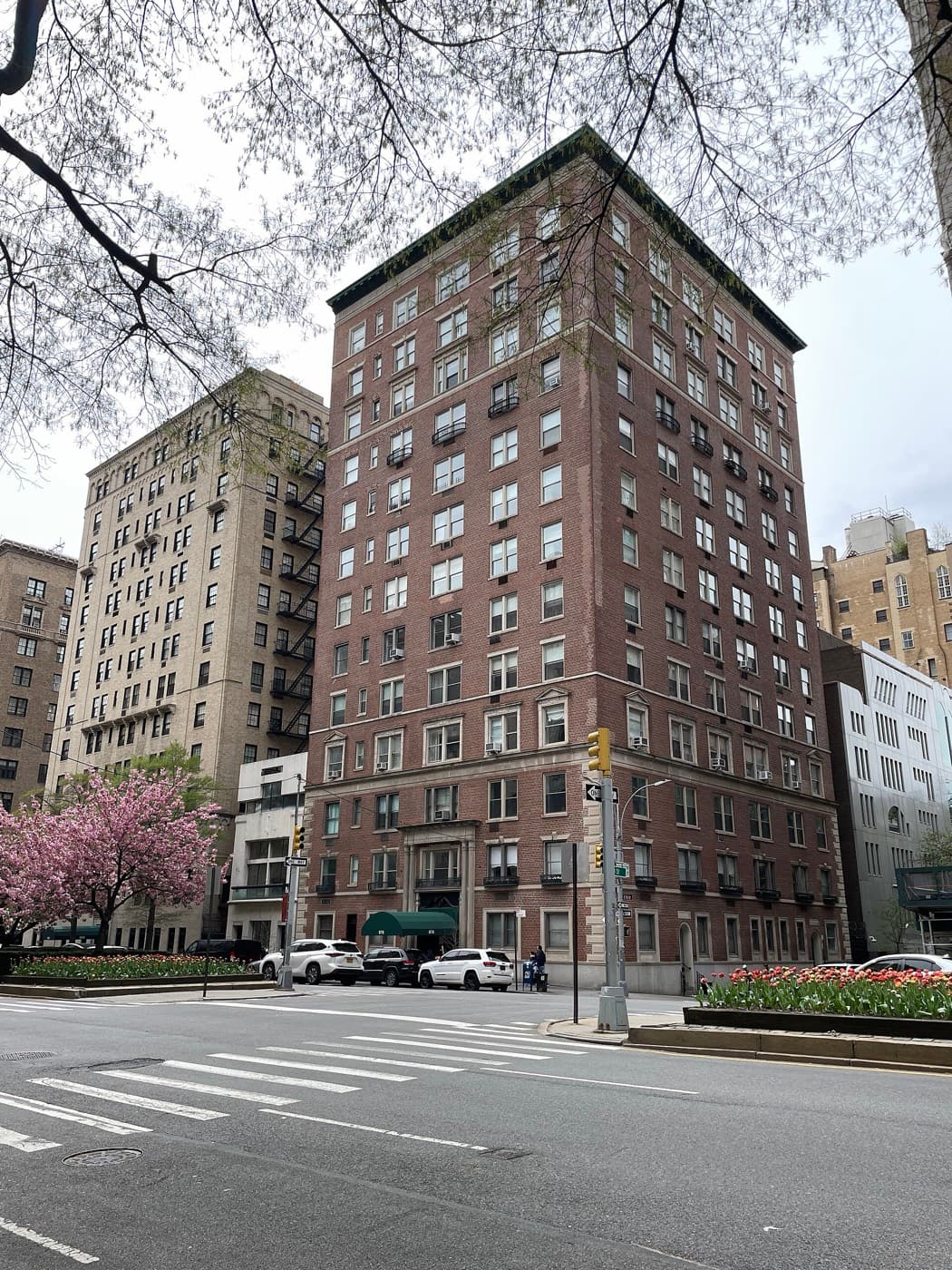
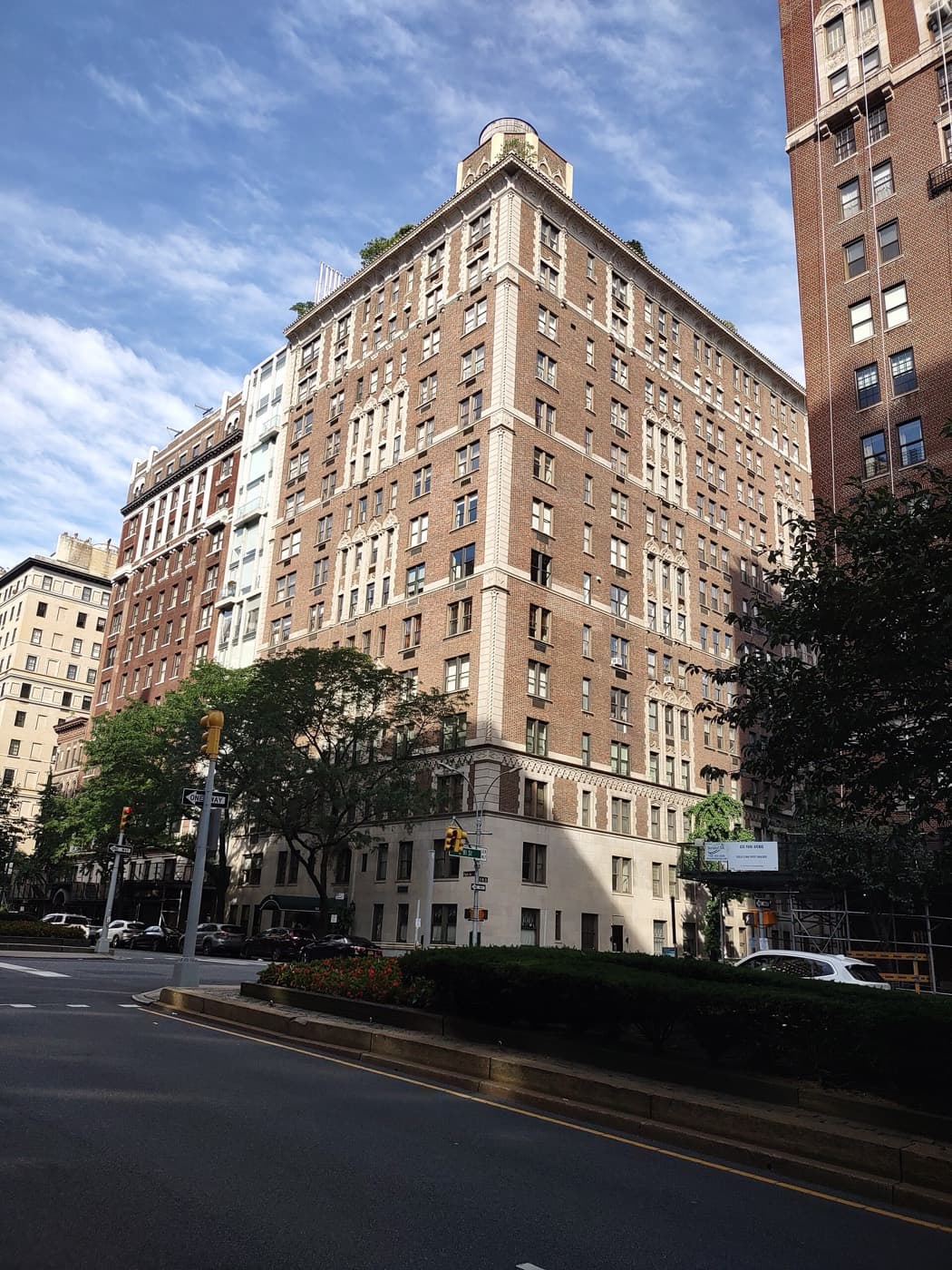
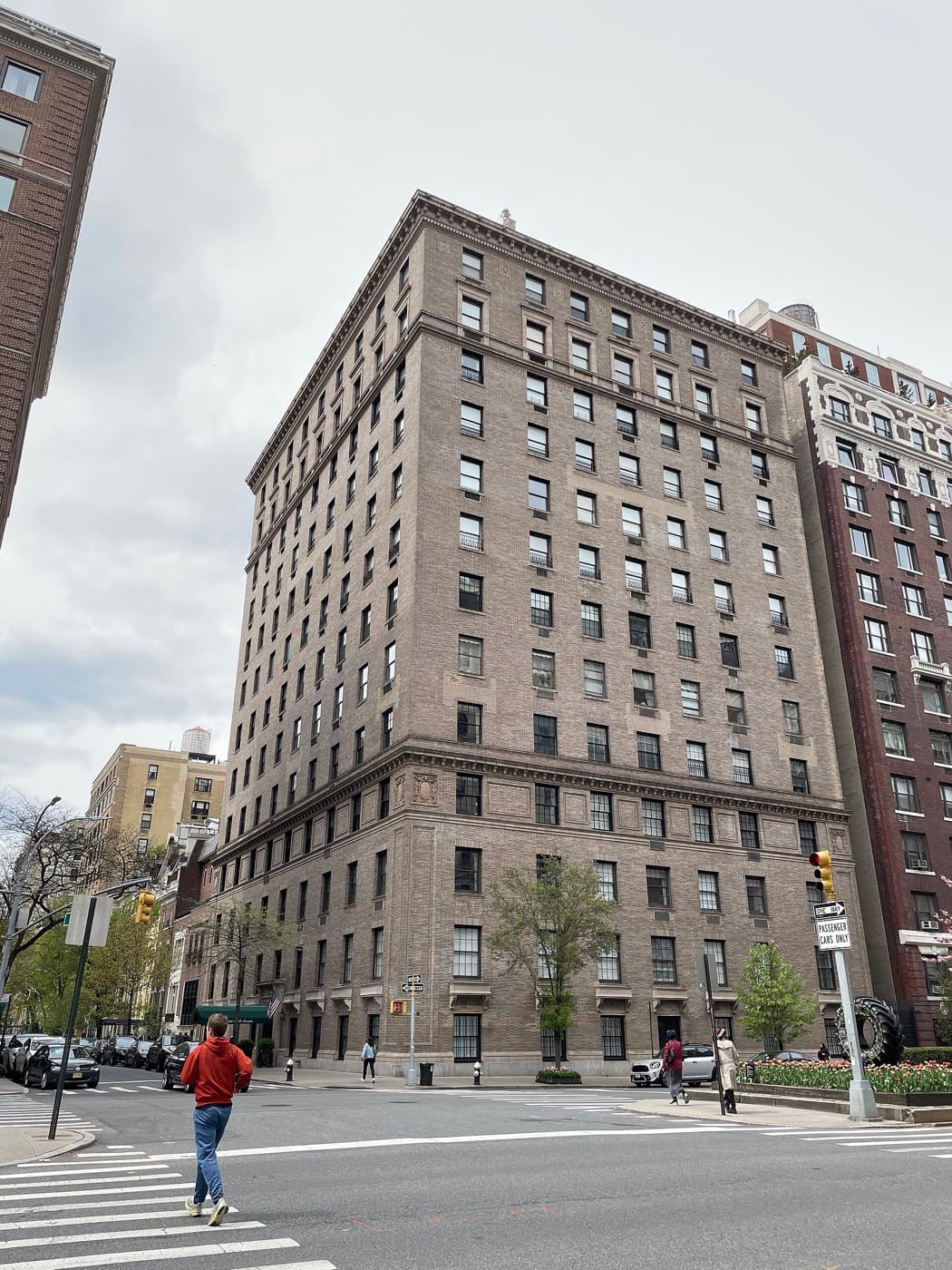
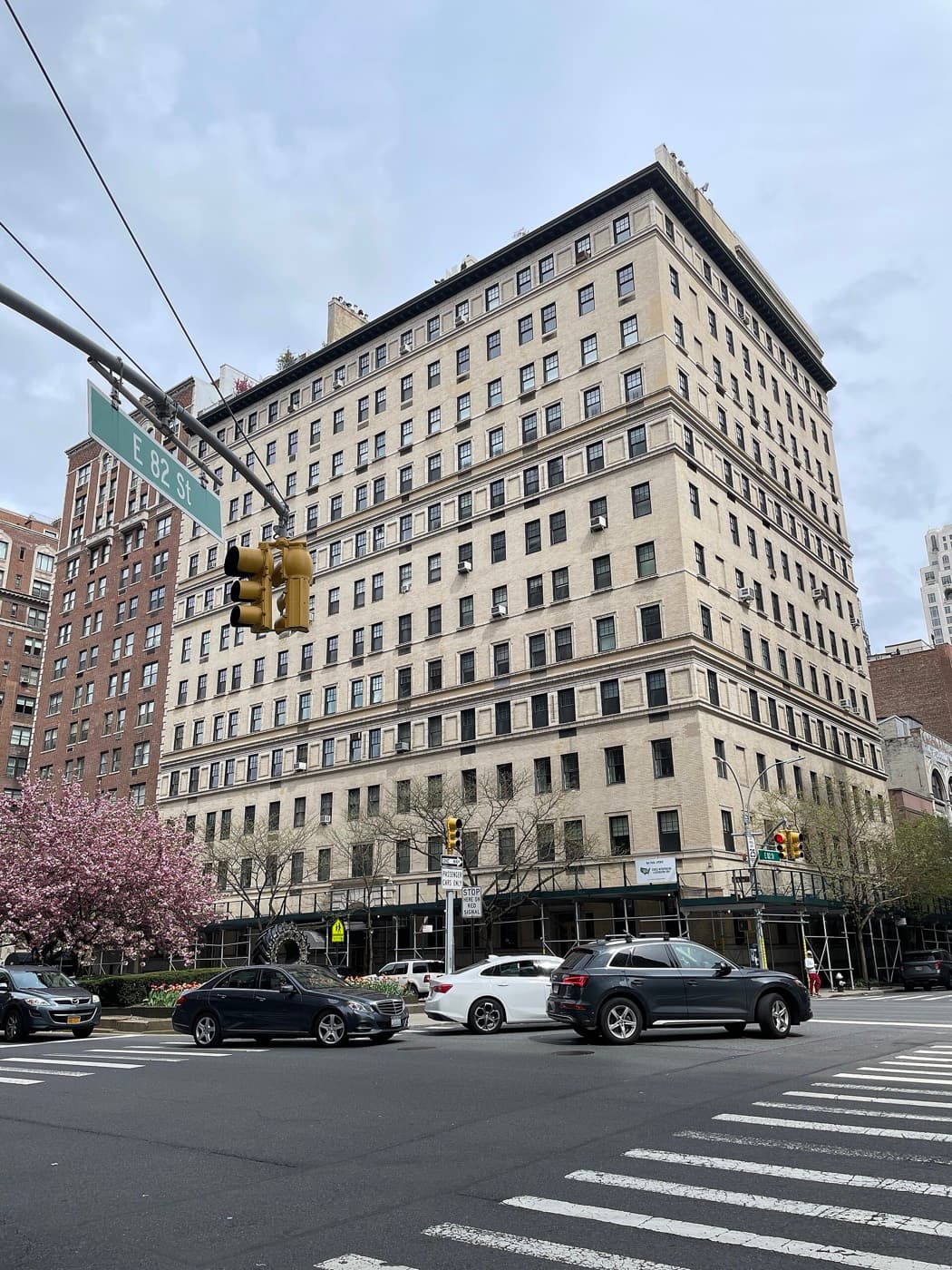
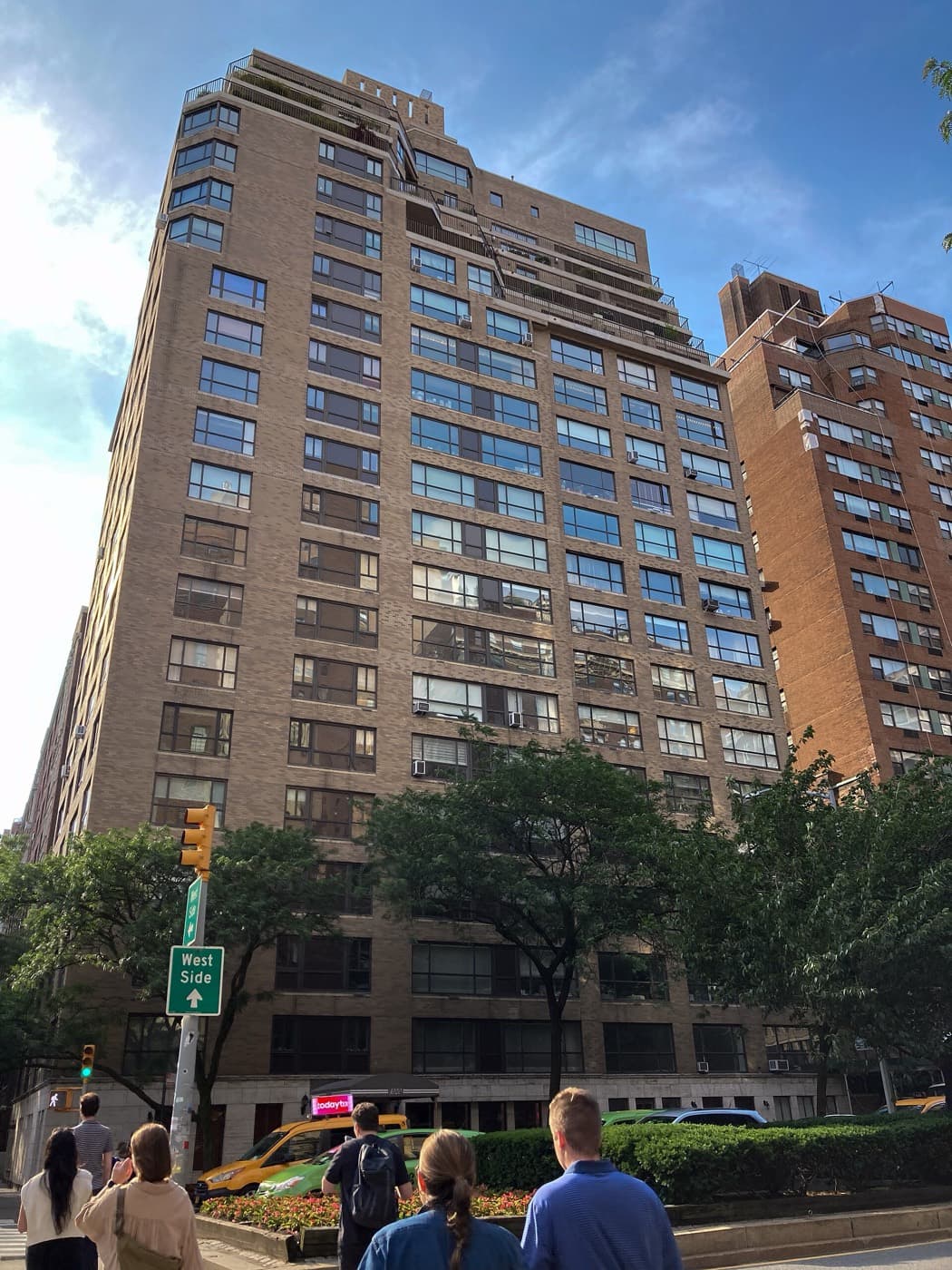
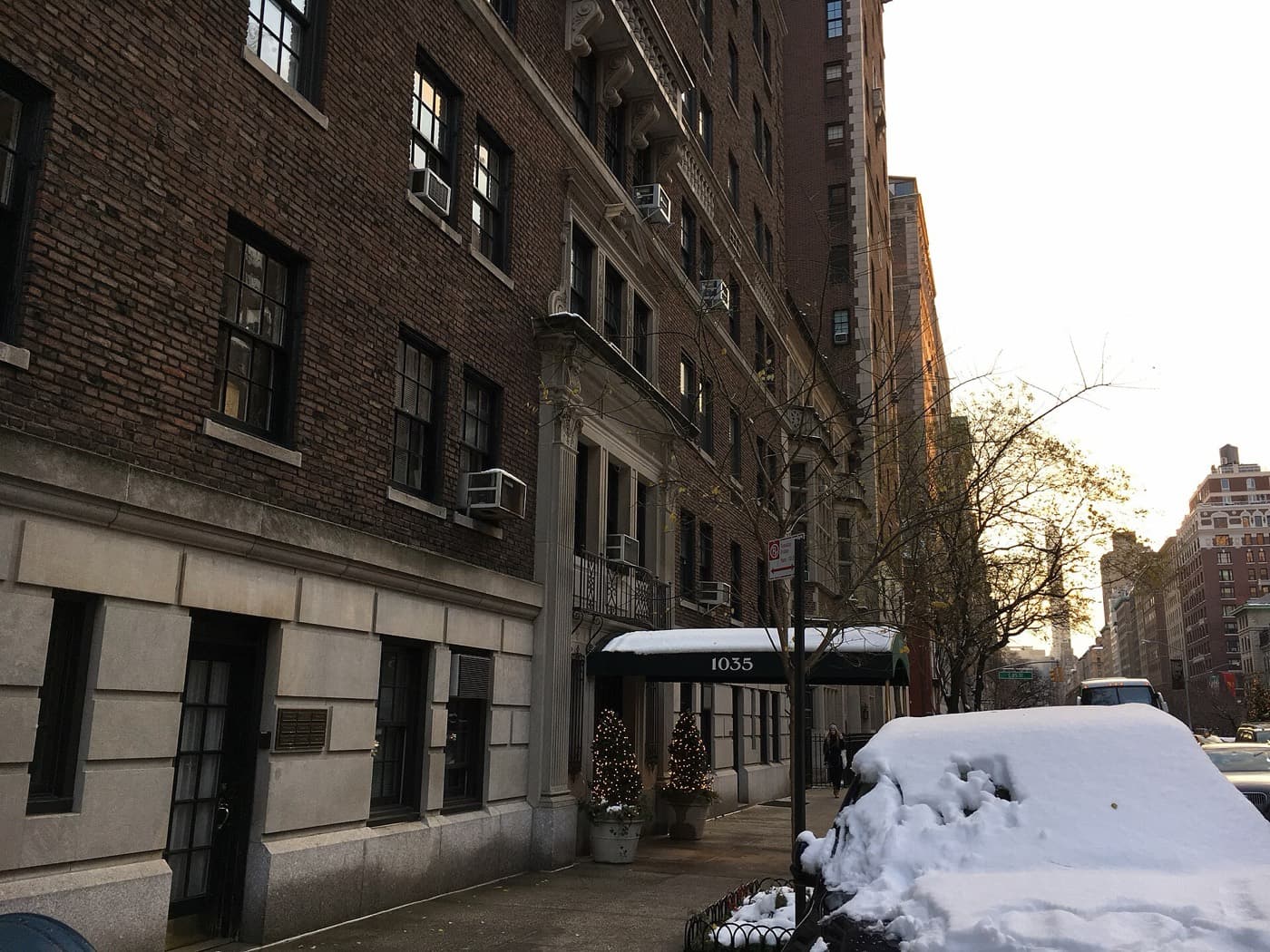
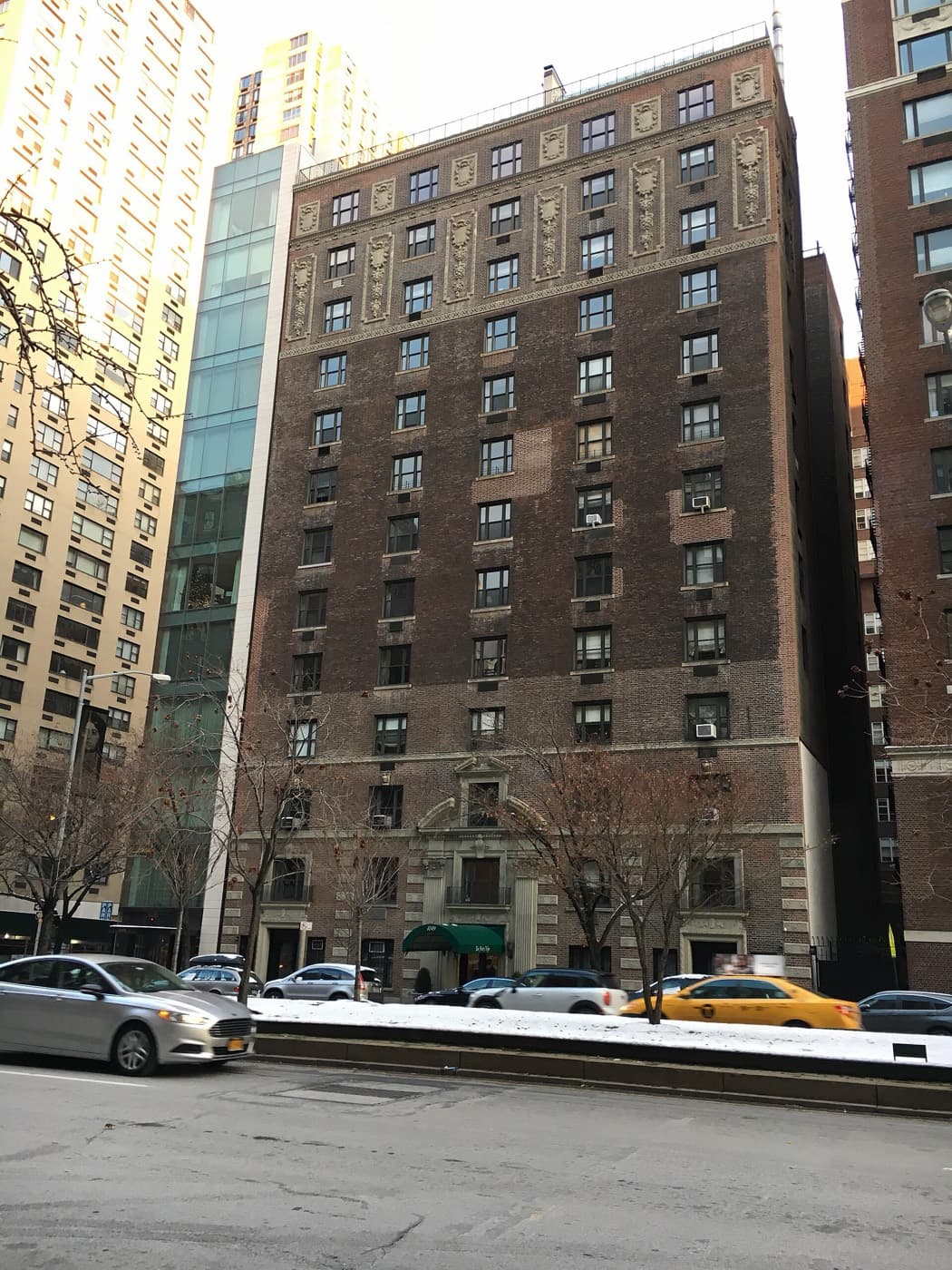
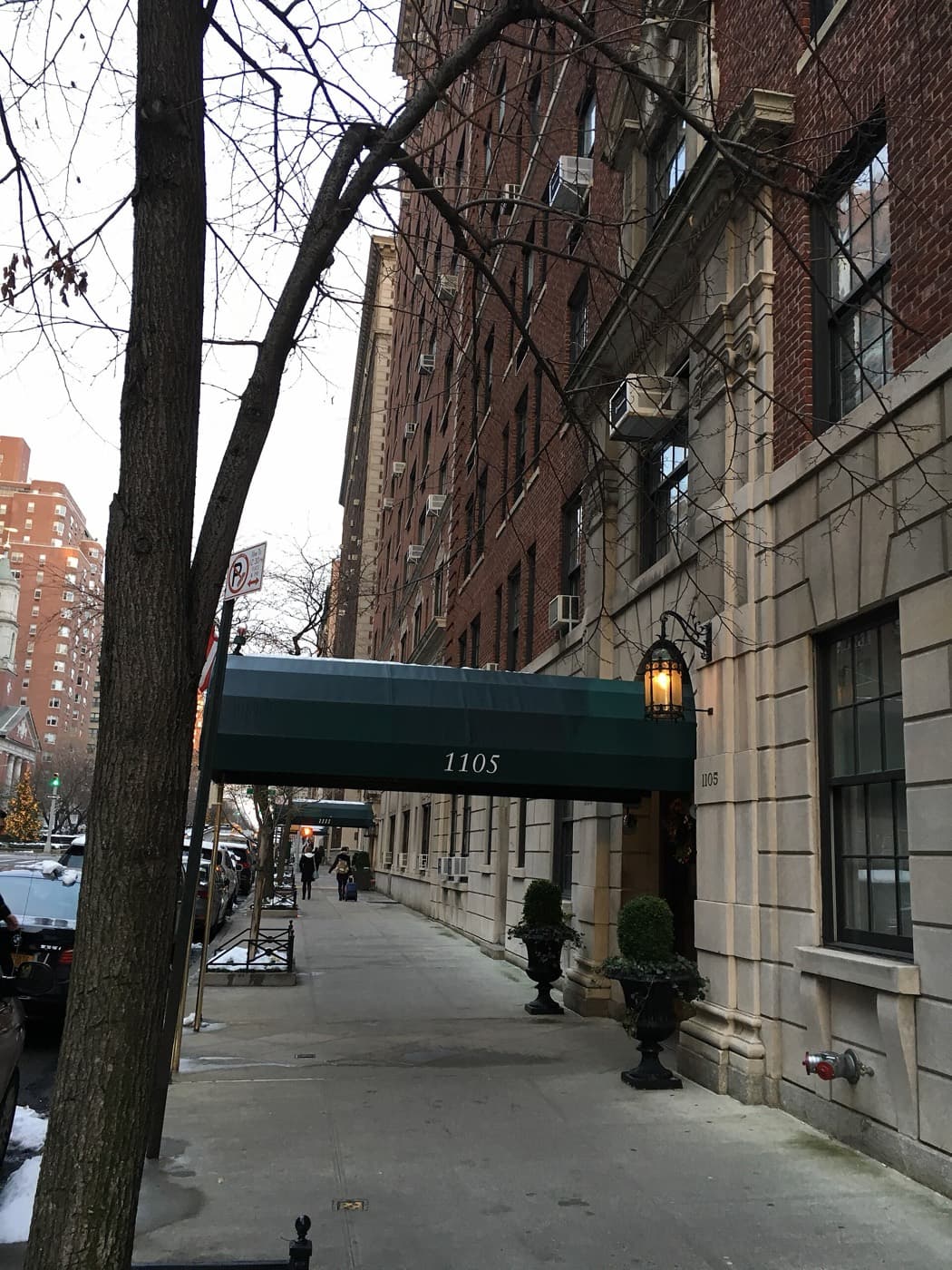
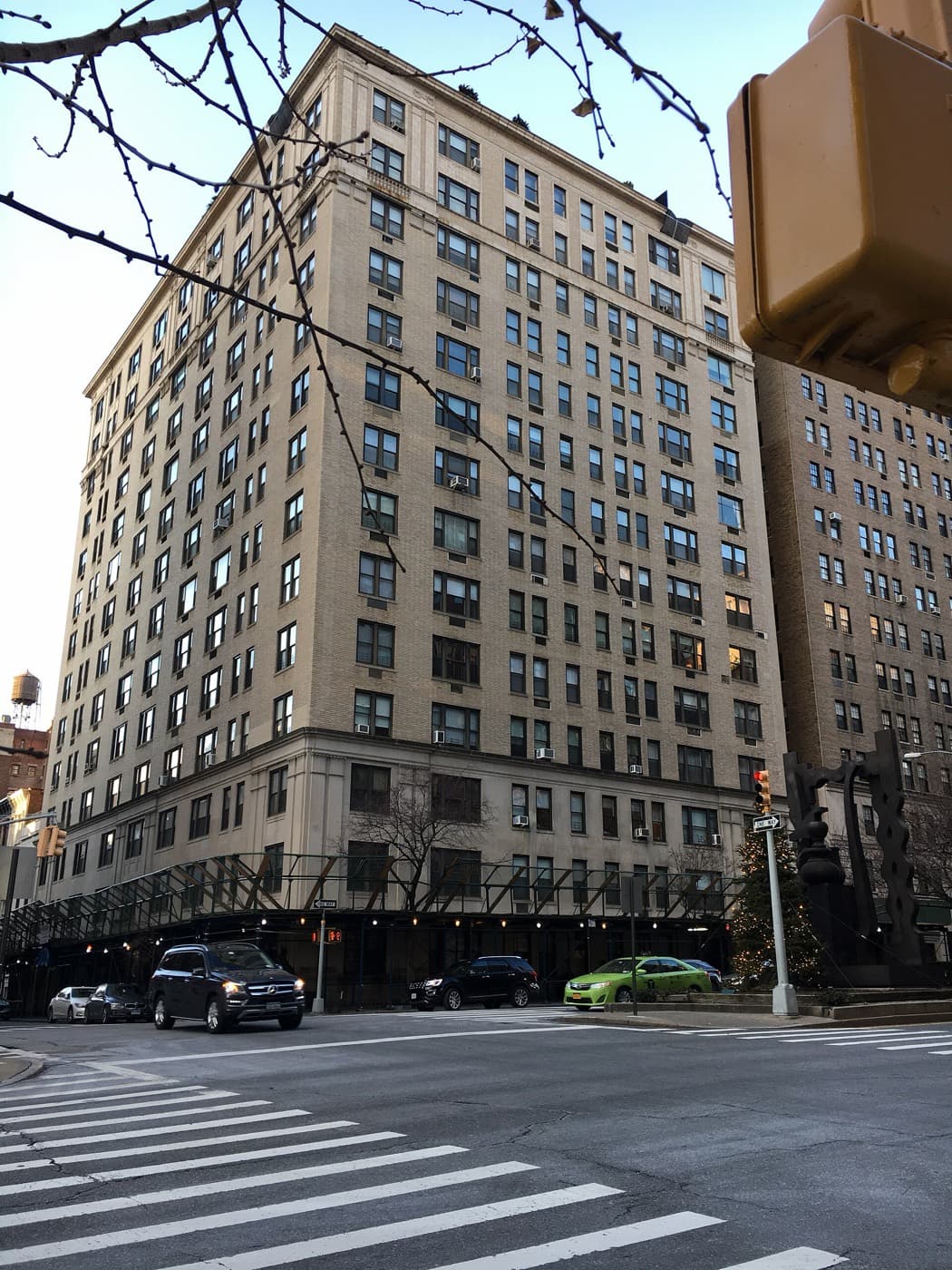
Notable buildings on Park Avenue
Buildings on Park Avenue






















Tell us what you are looking for and the Roebling Research Desk will send building matches across Park Avenue, with pricing and diligence on each.
Get building matches sent to you →Get the corridor read on your building.
See how your apartment stacks up against the rest of Park Avenue, or get a market update tuned to this stretch — sent to you directly.