
Upper East Side
The Upper East Side is Manhattan's deepest luxury residential market, covering Lenox Hill, Carnegie Hill, and Yorkville. Fifth Avenue and Park Avenue are measured separately so their trophy frontage does not distort the broader neighborhood picture.
What Upper East Side is selling for
Movement of the annual median — not adjusted for transaction mix. Which apartments happened to trade (size, floor, condition, line) moves these as much as value does; the sample behind each is shown beneath it.
Two markets, one neighborhood. Since 2016, Upper East Side condos are down 2% and co-ops down 3% on paper — but after inflation, −27.3% and −27.4% in real terms.
Movement of the annual median — not adjusted for transaction mix. Which apartments happened to trade (size, floor, condition, line) moves these as much as value does; the sample behind each is shown beneath it.
Method & coverage
Method. Condos are measured per square foot, co-ops per room (room counts from listing data; sales without a usable room count are excluded). The percentages are movement of the annual median — not a constant-quality or repeat-sale index — so transaction mix moves them as well as value. Real-terms figures deflate that same median by CPI.
Coverage. 27,395 recorded sales. Before the figures above, 177 non-arms-length transfers (nominal estate, gift, or intra-family deeds and mis-recorded bulk filings) and 191 duplicate records of the same deed (a combined apartment or penthouse recorded under more than one unit label) were removed. Corridors may overlap — a sale can appear in both a neighborhood set and a narrower avenue set. Recorded transfers via NYC Department of Finance, enriched by The Roebling Research Library.
Within Upper East Side
Upper East Side spans several distinct residential corridors, each with its own character and pricing. Explore them individually — every building below is part of Upper East Side.
Fifth and Park Avenue homes are profiled on their own and set aside from this read, so the avenues’ trophy pricing doesn’t distort the broader Upper East Side apartment market.
The institutional residential neighborhood of Manhattan — the Park-and-Fifth cooperative spine, one of the densest concentrations of independent K–12 schools in the United States, Museum Mile, the Madison Avenue retail and gallery corridor, the medical-institutional anchor of New York-Presbyterian and Memorial Sloan Kettering, and the sub-neighborhoods of Lenox Hill, Carnegie Hill, and Yorkville that organize the residential demographic.
The pricing read on this page covers the broader Upper East Side apartment market — the deep pre-war and post-war stock of Lenox Hill, Yorkville, and Carnegie Hill. The Fifth and Park Avenue trophy frontage trades on its own logic and is set aside here, so the avenues' premium pricing doesn't distort the wider read; each is profiled in its own corridor guide.
The Upper East Side argument
The Upper East Side is the residential neighborhood in Manhattan that organizes itself around one of the densest concentrations of institutional infrastructure in the United States. Within its boundaries — Central Park on the west, the East River on the east, 59th Street on the south, and 96th Street on the north — the neighborhood contains the Park-and-Fifth cooperative residential spine; many of New York's best-known independent K–12 schools (Brearley, Spence, Chapin, Nightingale-Bamford, Dalton, Marymount, Convent of the Sacred Heart, Buckley, St. Bernard's, St. David's, Browning, Allen-Stevenson); Museum Mile (the Metropolitan, the Guggenheim, Cooper-Hewitt, Neue Galerie, the Jewish Museum, Museum of the City of New York, El Museo del Barrio); the principal academic medical complex of NewYork-Presbyterian / Weill Cornell, Memorial Sloan Kettering, the Hospital for Special Surgery, and Lenox Hill Hospital; one of the densest luxury-retail and gallery corridors in the country (Madison Avenue from 60th through the 90s); the most-recognized luxury hotels of the residential city (the Carlyle, the Mark, the Pierre, the Sherry-Netherland); and a continuous residential character — anchored in the prewar cooperative tradition and the late-nineteenth-century townhouse and mansion fabric — that has remained substantially intact across a century of urban change.
The structural fact that distinguishes the Upper East Side from most other residential neighborhoods in the country is the convergence of these infrastructures within a 96-block band. The Park-and-Fifth cooperative tradition produced the residential buyer demographic — the institutional finance, industrial, and philanthropic leadership class — that supports the schools, anchors the museums, capitalizes the hospitals, and patronizes the Madison Avenue retail. The schools produced the family-buyer pipeline that has continued to feed the residential demand across multiple generations. The museums and hospitals anchor the neighborhood's character as a center of cultural and medical-institutional gravity rather than as a purely residential zone. The Madison Avenue commercial spine provides the daily-life infrastructure calibrated to the residential demographic. The hotels accommodate the visiting family, business, and cultural traffic that the institutional density attracts.
Few neighborhoods anywhere combine all of these characteristics. The Upper West Side has comparable architectural pedigree, comparable park frontage, and a comparable cultural register (Lincoln Center, the American Museum of Natural History) but a meaningfully different cooperative culture, a different school-pipeline density, and a different commercial character. The Lower East Side, the East Village, and the West Village have residential traditions of their own but operate on entirely different demographic and architectural foundations. Greenwich Village offers cultural and architectural depth at smaller scale and a different cooperative tradition. In the institutional residential register, the Upper East Side's standing is, by any structural measure, among the most established in the city.
The buyer who chooses the Upper East Side is choosing this institutional density. Buyers prioritizing primary residence, multi-generational family continuity, school adjacency, museum and medical-institutional proximity, and the structural premium of the prewar cooperative tradition find few equivalents anywhere else in the country. Buyers prioritizing pied-à-terre flexibility, condominium ownership, modern amenities of the supertall variety, downtown lifestyle, or the architectural register of postwar new construction tend to find the Upper East Side's residential character less aligned with their preferences and orient toward other neighborhoods accordingly.
Boundaries and the sub-neighborhoods
The Upper East Side's consensus boundaries run from approximately 59th Street on the south to 96th Street on the north, and from Central Park / Fifth Avenue on the west to the East River on the east. North of 96th Street, the neighborhood transitions into East Harlem; the Park Avenue residential corridor effectively terminates at 96th Street with the at-grade emergence of the Metro-North railroad tracks at the 97th Street viaduct. South of 59th Street, the residential character transitions into Midtown East. These are the modern consensus boundaries; older neighborhood definitions sometimes extended the Upper East Side north to 110th Street, but the modern residential identity is anchored at 96th.
Within the neighborhood, three sub-neighborhoods organize the residential inventory and shape the buyer demographic.
Lenox Hill occupies the southern band of the neighborhood, from approximately 60th Street north to 77th Street, and from Central Park / Fifth Avenue east to the East River. The sub-neighborhood takes its name from the Lenox family farm that occupied the area in the early nineteenth century and from Lenox Hill Hospital (1857) at 100 East 77th Street, the medical institution that anchored the area's twentieth-century institutional character. Lenox Hill contains the southern stretch of the Park-and-Fifth cooperative spine, the Madison Avenue retail corridor's most-trafficked blocks (60s and lower 70s), and a substantial mix of prewar and postwar residential inventory. The buyer demographic skews toward established institutional finance, professional, and corporate executive populations.
Carnegie Hill occupies the northern band of the neighborhood, from approximately 86th Street north to 96th Street, and from Central Park / Fifth Avenue east to Lexington Avenue. The sub-neighborhood takes its name from Andrew Carnegie's mansion at 91st and Fifth Avenue (1901, now the Cooper-Hewitt National Design Museum), and is anchored architecturally by the concentration of independent K–12 schools — Spence, Nightingale-Bamford, Convent of the Sacred Heart, Dalton, Saint David's, Saint Bernard's, Brearley (technically just east of the sub-neighborhood on East 83rd) — that occupy substantial portions of the cross-street inventory. The buyer demographic is anchored to family buyers with school-age children; the area's residential rhythm is calibrated to the academic year more visibly than any other Manhattan sub-neighborhood.
Yorkville occupies the eastern band of the neighborhood, from approximately 78th Street north to 96th Street, and from Lexington Avenue east to the East River. The sub-neighborhood originated as a nineteenth-century German immigrant settlement (with substantial Hungarian, Czech, and Slovak communities through the mid-twentieth century), and retained an immigrant working-class character through the 1950s before transitioning across the second half of the twentieth century into a more mixed residential profile. Yorkville's contemporary inventory includes substantial prewar walk-up and elevator buildings, postwar mid-century buildings, and a growing concentration of recent-construction condominium inventory along Second and Third Avenues. The 2017 opening of the Q Train Second Avenue Subway at 72nd, 86th, and 96th Streets has substantially improved Yorkville's transit profile and reshaped its pricing trajectory.
The corridors that span these sub-neighborhoods — Park Avenue, Fifth Avenue, Madison Avenue, and the cross-streets — operate as their own residential and commercial spines within the broader neighborhood. The Park Avenue corridor is covered in its dedicated corridor guide.
The Park-and-Fifth cooperative spine
The cooperative apartment buildings on Park Avenue and Fifth Avenue between 60th Street and 96th Street constitute one of the densest concentrations of prewar residential cooperatives in the United States. Built almost entirely during the 1920s building cycle — the seven-year peak that ran from 1925 through 1931 before the Depression effectively halted new construction — the corridor's cooperative buildings were designed by a small group of architects (Rosario Candela above all, with substantial work by J.E.R. Carpenter, Emery Roth, Cross & Cross, and Schwartz & Gross), built to a recognizable and consistent prewar luxury standard, and absorbed into shareholder ownership through the original cooperative offerings.
The Park-and-Fifth tradition produced the architectural template against which every subsequent generation of Manhattan luxury residential construction has been measured. The floor plates emphasize entry-foyer formality, separate dining-room and library configurations, primary bedroom suites with substantive architectural integrity, and the room-to-room circulation patterns that distinguish prewar luxury from the open-plan vocabularies of postwar and contemporary construction. Ceiling heights of 9 to 11 feet, plaster moldings, parquet floors with character, and the architectural details that prewar specification permitted have been substantially preserved across the corridor through nearly a century of renovation and combination.
The cooperative governance tradition that the Park-and-Fifth buildings developed has shaped the corridor as much as the architecture. Most of the tier-one cooperatives on Park Avenue and Fifth Avenue operate with substantive board review of prospective buyers, post-closing liquidity requirements in the range of two to four years of housing costs, low debt-to-income limits, primary-residence intent requirements, and the alteration-agreement and subletting restrictions that support the cooperative as a community of resident shareholders. The board review process is meaningful preparation work for any buyer — the subject of our co-op board interview preparation guide — and the threshold criteria are not equally accessible to all financial profiles.
Fifth Avenue's residential cooperative inventory runs from approximately 60th Street north to 96th Street, with the densest concentration in the 70s and 80s. The corridor's Park-facing apartments command a structural premium for the Park frontage; the corridor's institutional character — driven by the museum-mile adjacency, the Park-facing exposure, and the residential character anchored by buildings like the Pierre, 770 Fifth, 800 Fifth, 820 Fifth, 834 Fifth, 950 Fifth, 998 Fifth, 1030 Fifth, and 1040 Fifth — operates at the absolute top tier of the Manhattan cooperative market.
Park Avenue's residential cooperative inventory runs from 60th to 96th in the densest concentration of any north-south Manhattan corridor. The full architectural and cooperative-culture context is covered in the dedicated Park Avenue corridor guide.
Madison Avenue: the residential commercial spine
Madison Avenue between 60th Street and 96th Street is the densest concentration of luxury retail, fine art galleries, jewelry houses, and residential-scale dining institutions in the United States. The corridor — running parallel to Park Avenue one block east — provides the daily-life retail-and-cultural infrastructure for the Park-and-Fifth residential population and operates as the visual and commercial spine that connects the sub-neighborhoods of the Upper East Side.
The corridor's retail composition is anchored at every level of the luxury market. The European fashion houses (Hermès at 691 Madison, Chanel at 800 Madison, Dior at 21 East 57th and 760 Madison, Valentino at 821 Madison, Brunello Cucinelli at 783 Madison, Loro Piana at 821 Madison, Prada at 841 Madison, Tom Ford at 845 Madison) occupy the southern stretch of the corridor through the 60s. The American luxury and contemporary houses (Ralph Lauren's flagship at 867 Madison, the Polo Bar at 1 East 55th adjacent to the corridor, Theory at 838 Madison, Tory Burch at 797 Madison) anchor the middle of the corridor. The Sant Ambroeus and Via Quadronno cluster at 76th and 78th provide the corridor's daily-life Italian-café infrastructure.
Madison Avenue is also the densest concentration of fine art galleries north of Chelsea. The corridor's gallery inventory — Acquavella Galleries at 18 East 79th, Mnuchin Gallery at 45 East 78th, Skarstedt at 20 East 79th, Mendes Wood at 60 East 66th, Lévy Gorvy at 909 Madison, Gagosian at 980 Madison and 976 Madison, Christie's auction operations adjacent to the corridor — supports the residential demographic's substantive art-market engagement and constitutes one of the structural cultural-infrastructure assets the neighborhood offers.
For Upper East Side residents specifically, Madison Avenue is the daily-life corridor. The retail-and-café infrastructure on Madison between 60th and 90th Streets serves the residential population on a walking-radius basis (typically one to four blocks for any address in the Park-and-Fifth residential band), and the daily-life rhythms of the corridor — the morning coffee crowd at Sant Ambroeus, the gallery-opening evenings, the school pickup traffic in the upper 80s and 90s, the Saturday-morning errand circuit — constitute a recognizable element of the neighborhood's residential character.
Architecture
The Upper East Side's architectural inventory is among the most chronologically layered of any Manhattan residential neighborhood, though the architectural register is more institutionally coherent than the Greenwich Village or West Village equivalent.
The Fifth Avenue and East 60s–80s mansion register is the neighborhood's most architecturally distinguished residential category. The late-nineteenth and early-twentieth century mansions built along Fifth Avenue and on the side streets between Fifth and Madison — by architects including Carrère & Hastings, McKim, Mead & White, Cass Gilbert, Warren & Wetmore, Horace Trumbauer, and the broader Beaux-Arts establishment — were built for the institutional capital and social leadership of the Gilded Age and the early twentieth century. The surviving inventory has been substantially converted to institutional and cultural uses: the Frick Collection (1914, Carrère & Hastings, originally built for Henry Clay Frick; reopened April 2025 following multi-year renovation); the Cooper-Hewitt National Design Museum (1901, Babb, Cook & Willard, originally built for Andrew Carnegie); the Neue Galerie (1914, Carrère & Hastings, originally the William Starr Miller House); the Jewish Museum (1908, C.P.H. Gilbert, originally the Felix Warburg House); the Ukrainian Institute of America at 2 East 79th (Sanford White via McKim, Mead & White). The surviving mansion inventory in private residential use is a small subset of the original stock but constitutes some of the most architecturally distinguished private residential inventory in the country.
The prewar luxury cooperative apartment houses on Park Avenue and Fifth Avenue (covered in the Park-and-Fifth section above) anchor the neighborhood's primary residential register. The Candela-Carpenter-Roth-Cross&Cross-Schwartz&Gross tradition defines the architectural character of the corridor's residential spine.
The brownstone-and-townhouse side-street inventory between Fifth and Park, and between Park and Lexington, in the East 60s through the East 80s, constitutes the neighborhood's secondary residential register. The townhouses — Italianate, Romanesque Revival, Beaux-Arts, neo-Federal, and the various stylistic registers of the late-nineteenth and early-twentieth century — were built primarily between 1860 and 1910, and have been substantially preserved across the second half of the twentieth century through landmark designation and private investment. The Upper East Side Historic District (designated 1981) covers a substantial portion of the side-street inventory.
The postwar and mid-century apartment houses built between approximately 1945 and 1985 occupy substantial portions of the avenue and cross-street inventory east of Park, particularly along Third Avenue (which lost its elevated subway in 1955 and underwent substantial residential redevelopment in the subsequent decades) and along Second Avenue. These buildings represent the neighborhood's mid-tier inventory and trade at meaningful discount to the prewar cooperatives.
The recent-construction condominium inventory has grown substantially in Yorkville along Second and Third Avenues, particularly in the period since the 2017 opening of the Q Train Second Avenue Subway. New condominium development along Second Avenue (including The Beekman Regent, the Citizen 360 at 360 East 89th, 200 East 79th, 1228 Madison, and other recent inventory) represents the contemporary growth dimension of the neighborhood and provides the condominium-tier alternative for buyers whose use case is not aligned with the prewar cooperative tradition.
Schools: one of the densest independent-school concentrations in the country
The Upper East Side contains one of the densest concentrations of independent K–12 schools in the United States, anchored in the band from East 75th Street north through East 95th Street, and from Fifth Avenue east through Park Avenue (with some schools extending east to East End Avenue). The school cluster is one of the structural reasons the neighborhood functions as the primary family-buyer destination in Manhattan.
The all-girls independent schools: The Brearley School (610 East 83rd Street, K–12), The Chapin School (100 East End Avenue, K–12), The Spence School (22 East 91st Street, K–12), Nightingale-Bamford School (20 East 92nd Street, K–12), Convent of the Sacred Heart (1 East 91st Street, JK–12, in the Burden Mansion on Fifth Avenue), The Hewitt School (45 East 75th Street, K–12), Marymount School of New York (1026 Fifth Avenue at 84th, K–12).
The all-boys independent schools: The Buckley School (113 East 73rd Street, K–9), Saint Bernard's School (4 East 98th Street, K–9), Saint David's School (12 East 89th Street, K–8), The Browning School (52 East 62nd Street, K–12), Allen-Stevenson School (132 East 78th Street, K–9).
The co-ed independent schools: Dalton School (108 East 89th Street, K–12; the K–3 lower school is at 53 East 91st), Trevor Day School (1 West 88th Street, K–12, on the Upper West Side but commonly considered within the broader uptown independent-school landscape), Lyceum Kennedy (225 East 43rd Street, French-American school, K–12).
The religious schools: Multiple parochial schools, Jewish day schools, and other religious-affiliated institutions anchor specific demographic populations within the neighborhood.
The public schools: PS 6 (45 East 81st Street, K–5, Lillian Devereux Blake School), one of the city's most-sought public elementary schools; PS 158 (1458 York Avenue at 78th, K–5, Bayard Taylor School); MS 167 (Robert F. Wagner Middle School, 220 East 76th Street, grades 6–8); Eleanor Roosevelt High School (411 East 76th Street, grades 9–12); and the citywide specialized public high schools accessible from the neighborhood.
For buyer families weighing the Upper East Side against alternative residential locations, the school adjacency is often the deciding structural factor. The independent-school admissions calendar (with applications typically submitted in the September–October window for fall enrollment the following year, decisions in February or March) shapes the residential search timing for many family buyers, with apartment purchases coordinated against the admissions cycle. The Roebling Team approach is to integrate the school-pipeline question into the apartment search from the outset; the broader landscape is covered in our NYC private schools guide.
Museum Mile: the cultural-institutional anchor
The stretch of Fifth Avenue from East 82nd Street north to East 105th Street — designated Museum Mile in 1979 — contains one of the densest concentrations of museum institutions in the country, and one of the densest anywhere in the world. The institutions, in order moving north along Fifth Avenue from the southern terminus:
The Metropolitan Museum of Art (1000 Fifth Avenue at East 82nd Street, founded 1870, current Calvert Vaux building 1880 with subsequent expansions). The Met is the largest art museum in the United States and the fifth-most-visited art museum in the world. Its 2.2-million-square-foot main building occupies a central position on the Fifth Avenue frontage from East 80th to East 84th.
The Neue Galerie New York (1048 Fifth Avenue at East 86th Street, founded 2001 in the 1914 William Starr Miller House by Ronald Lauder and Serge Sabarsky). German and Austrian early-twentieth-century art, with the most-recognized single object being Gustav Klimt's Adele Bloch-Bauer I (acquired 2006).
The Solomon R. Guggenheim Museum (1071 Fifth Avenue at East 89th Street, founded 1939, current Frank Lloyd Wright building completed 1959). Modern and contemporary art, in the building that constitutes one of the twentieth century's most-recognized architectural works.
The National Academy of Design (1083 Fifth Avenue at East 89th Street, founded 1825; the building's status has been under review in recent years). American fine art.
The Cooper Hewitt, Smithsonian Design Museum (2 East 91st Street, the Andrew Carnegie Mansion of 1901). The only museum in the United States devoted exclusively to historic and contemporary design.
The Jewish Museum (1109 Fifth Avenue at East 92nd Street, founded 1904, current Felix Warburg House building 1908 by C.P.H. Gilbert). Jewish art and culture across 4,000 years.
Museum of the City of New York (1220 Fifth Avenue at East 103rd Street, founded 1923, current building 1932 by Joseph H. Freedlander). The history and culture of New York City.
El Museo del Barrio (1230 Fifth Avenue at East 104th Street, founded 1969). Latin American, Caribbean, and Latino art.
For Upper East Side residents specifically, the Museum Mile institutions function as daily-and-weekly civic infrastructure. Membership at the Met, the Guggenheim, the Neue Galerie, and the broader institutional cluster is a structural feature of resident life on the corridor; the museums' education programs, member previews, and cultural programming are calibrated to the residential demographic in ways that the institutions of less residential neighborhoods are not.
The medical-institutional complex
The Upper East Side contains one of the densest concentrations of academic medical institutions in the United States. The cluster — anchored at the East 68th–70th Street corridor — includes:
NewYork-Presbyterian / Weill Cornell Medical Center (525 East 68th Street), one of the two principal academic medical centers in New York Presbyterian's network and the principal teaching hospital of Weill Cornell Medical College.
Memorial Sloan Kettering Cancer Center (1275 York Avenue at East 67th–68th Street), one of the world's principal cancer-treatment and cancer-research institutions, with adjacent facilities extending through the East 60s and East 70s.
The Hospital for Special Surgery (535 East 70th Street), the largest orthopedic hospital in the United States and a structural anchor for the broader medical complex.
Lenox Hill Hospital (100 East 77th Street), the neighborhood's general medical hospital, part of Northwell Health.
The medical-institutional complex shapes the neighborhood's character beyond its residential function. The daytime workforce — clinicians, researchers, hospital administrators, allied professionals — is substantial; the visiting-family and patient-services population supports a meaningful set of hotels and apartment-rental inventory specifically calibrated to medical-institutional traffic; the medical and research employment density supports a residential demographic of medical and academic professionals that complements the broader institutional residential mix. The proximity to the medical complex is also a structural buyer consideration — many residents specifically prioritize Upper East Side residence for its proximity to the medical institutions.
Restaurants and dining
The Upper East Side's restaurant inventory is more institutionally calibrated than the downtown equivalent — anchored in long-running establishment-tier restaurants and hotel-based dining rather than in the rotating chef-driven destination kitchens that characterize downtown. The pattern reflects the neighborhood's residential demographic and the structural difference between an institutional residential neighborhood and a culinary destination zone.
Daniel (60 East 65th Street, between Madison and Park, Daniel Boulud, opened 1993) is the neighborhood's most-recognized fine-dining institution. Café Boulud (the Boulud system's casual-formal bistro, recently relocated). The Mark Restaurant by Jean-Georges (25 East 77th Street, Jean-Georges Vongerichten at the Mark Hotel) is one of the neighborhood's principal hotel-restaurant anchors. Café Carlyle (35 East 76th Street, at the Carlyle Hotel) is the neighborhood's longest-running cabaret venue and a structural cultural-and-dining anchor.
Sant Ambroeus — the Milanese coffee-and-restaurant institution, with multiple Upper East Side locations on Madison Avenue (the 78th Street location is the corridor's most-trafficked) — anchors the neighborhood's daily-life café register. Via Quadronno (25 East 73rd, between Madison and Fifth) is the Italian café institution near 740 Park. Yura on Madison (1659 Third Avenue and other locations) is the long-running Madison-area café and prepared-foods institution.
Bemelmans Bar at the Carlyle Hotel (35 East 76th Street) is the neighborhood's most-recognized cocktail bar — named for Ludwig Bemelmans, the children's-book author who painted the room's murals in exchange for a year's room and board in the 1940s — and one of the city's most consequential live-piano-jazz venues.
Café Sabarsky at the Neue Galerie (1048 Fifth Avenue at East 86th Street) is the most-recognized Viennese café in New York and a structural mid-day anchor for the Carnegie Hill segment.
The Madison Avenue corridor between 60th and 90th Streets contains the densest concentration of casual-to-formal residential-scale restaurants in the neighborhood. The cross-street and side-street inventory between Madison and Park, and between Park and Lexington, contains additional residential-scale dining institutions at every price tier.
Transit and daily-life infrastructure
The Upper East Side is served by three north-south subway lines — the Lexington Avenue line (4 express, 5 express, 6 local) running beneath Lexington Avenue; the Q Second Avenue Subway (opened 2017) running beneath Second Avenue; and the F train with the East 63rd Street and Lexington Avenue station at 63rd. The neighborhood's east-west transit is anchored by crosstown bus service (M66, M72, M79, M86, M96) rather than by subway; the absence of a direct east-west subway is the neighborhood's principal transit limitation.
The Lexington Avenue line is the densest north-south subway corridor in the United States by daily ridership. Stations within the neighborhood: 59th Street (4/5/6/N/R/W); 68th Street–Hunter College (6); 77th Street (6); 86th Street (4/5/6); 96th Street (6). The 4 and 5 express trains stop at 59th and 86th within the neighborhood; the 6 local stops at every station.
The Q Second Avenue Subway, which opened January 1, 2017, added stations at 63rd Street, 72nd Street, 86th Street, and 96th Street along Second Avenue. The line has substantially improved the eastern portion of the neighborhood's transit profile — particularly for Yorkville residents — and reshaped the pricing trajectory of inventory along Second and Third Avenues.
The neighborhood's retail-and-daily-life infrastructure clusters on Madison Avenue (luxury retail and gallery corridor), Lexington Avenue (residential-commercial retail, grocery, services), Third Avenue (casual retail and dining, broader commercial register), and Second Avenue (post-Q-train commercial growth, with substantial new restaurant and retail development in the years since 2017). The cross-streets contain residential, school, hospital, and institutional uses.
The neighborhood's parks include Central Park on the western boundary (the city's principal park, occupying the western 843 acres of the neighborhood's frame from 59th Street to 110th); Carl Schurz Park on the eastern boundary in Yorkville (East 84th to East 90th, between East End Avenue and the East River, the location of Gracie Mansion — the official residence of the Mayor of New York — at the park's northern end); and various smaller pocket parks throughout the residential inventory.
Pricing tiers
The Upper East Side trades across a wide pricing range reflecting the neighborhood's architectural and demographic heterogeneity, from the entry-tier postwar inventory in Yorkville's mid-blocks at $800–$1,200 per square foot through the tier-one prewar cooperatives on Park and Fifth at $3,000–$5,000+ per square foot.
The general pricing logic: tier-one prewar cooperatives on Park Avenue and Fifth Avenue (the Candela-Carpenter-Roth tradition) trade in the $2,000–$4,500 per square foot range for typical inventory, with trophy apartments reaching $5,000–$8,000+ per square foot. Mid-tier prewar cooperatives (the broader Park-Madison-Lexington prewar inventory) trade in the $1,200–$2,000 range. Postwar cooperatives on the avenues and cross-streets trade in the $900–$1,500 range. Townhouse inventory on the cross-streets between Fifth and Park, and between Park and Lexington, trades in the $5–$50 million range depending on building, condition, block, and configuration. Recent-construction condominium inventory in Yorkville and along the Second Avenue corridor trades in the $1,800–$3,500 range, with trophy new construction reaching higher.
Within the neighborhood, pricing tiers compress around five structural variables: (1) the sub-neighborhood (with Lenox Hill, Carnegie Hill, and Yorkville commanding different price registers reflecting their different demographic and architectural characters); (2) the corridor (Park Avenue and Fifth Avenue commanding the structural premium, with Madison, Lexington, Third, Second, and First in successive tiers); (3) the building's vintage and tier (prewar tier-one at the structural premium, mid-tier prewar at meaningful discount, postwar at further discount, new condominium at a separate pricing logic); (4) the apartment's specific configuration, floor, exposure, view, and condition; (5) the building's cooperative-vs-condominium status and the cooperative's specific board, financing, subletting, and pied-à-terre policies.
Compared to the Upper West Side (the neighborhood's principal pricing comparison), the Upper East Side trades at a modest premium on equivalent prewar cooperative inventory, a comparable register on equivalent postwar inventory, and a meaningful premium on tier-one trophy inventory. The two neighborhoods function as complements rather than substitutes for most institutional residential buyers.
Who buys here
The Upper East Side buyer profile is institutionally coherent — more so than any other Manhattan residential neighborhood — but heterogeneous across sub-neighborhoods and price tiers.
Institutional finance and corporate executive leadership. Wall Street partners, hedge fund and private equity principals, senior corporate executives, and the broader institutional leadership class. This is the demographic that anchors the Park-and-Fifth tier-one cooperative tradition and has continued to do so across multiple generations.
Multi-generational corridor families. A continuing demographic of buyers whose parents or grandparents lived in the neighborhood and who are returning to or remaining within it as the next generation. The Upper East Side's cooperative continuity supports the multi-generational buyer demographic in ways few other Manhattan neighborhoods match.
Family buyers with school-age children. Anchored in the Carnegie Hill / Park-and-Madison private school cluster and the corridor's tier-one independent schools, this demographic concentrates particularly in the upper 70s, 80s, and 90s, in proximity to the schools and to PS 6.
Medical and academic professionals. Anchored in proximity to the New York-Presbyterian / Weill Cornell, Memorial Sloan Kettering, Hospital for Special Surgery, and Lenox Hill medical complex, this demographic supports residential demand particularly in Lenox Hill and the East 60s and 70s.
Philanthropic, cultural-institutional, and museum-adjacent leadership. Major-donor families anchored to Museum Mile, the city's principal cultural institutions, and the residential demographic's substantive cultural engagement.
International and pied-à-terre buyers (limited in the cooperative inventory, concentrated in the condominium inventory). The neighborhood's condominium inventory — particularly the recent-construction inventory in Yorkville and the Second Avenue corridor — supports an international and pied-à-terre buyer demographic that the cooperative inventory largely does not accommodate.
The Upper East Side is the wrong neighborhood for buyers prioritizing downtown lifestyle, the modern amenity packages of the Hudson Yards or supertall tier, the international-tax-resident pied-à-terre register, or the architectural and cultural vocabulary of postwar and contemporary new construction at scale. Buyers prioritizing those characteristics should look to downtown Manhattan, to Hudson Yards, or to the new-construction Central Park-facing condominium inventory at the south end of the park.
Run the numbers
Related guides
- Park Avenue — Corridor Guide — the tier-one cooperative spine
- 740 Park Avenue — Building Guide — the most-recognized address on the corridor
- Carnegie Hill — Corridor Guide — the family-anchored northern sub-neighborhood
- Walking Tour: Carnegie Hill — the architectural and institutional walking tour
- Walking Tour: Park Avenue Gold Coast — the prewar cooperative spine on foot
- NYC Private Schools Park Perimeter Guide — the school-pipeline mapping for family buyers
- Park vs. Fifth Avenue — the structural comparison most Upper East Side buyers also consider
- Co-op vs Condo in Manhattan — the ownership-structure framing
- How NYC Co-op Boards Actually Work — the governance mechanics that determine approval outcomes in the cooperative inventory
This page reflects publicly available information and The Roebling Team transaction experience. The Roebling Team at Compass does not represent the schools, museums, hospitals, restaurants, or buildings referenced herein. School addresses, museum addresses, hospital information, restaurant operations, and architectural attributions have been verified against the institutions' public materials and the New York City Landmarks Preservation Commission; readers should confirm current status independently at the time of decision. © 2026 The Roebling Team at Compass.
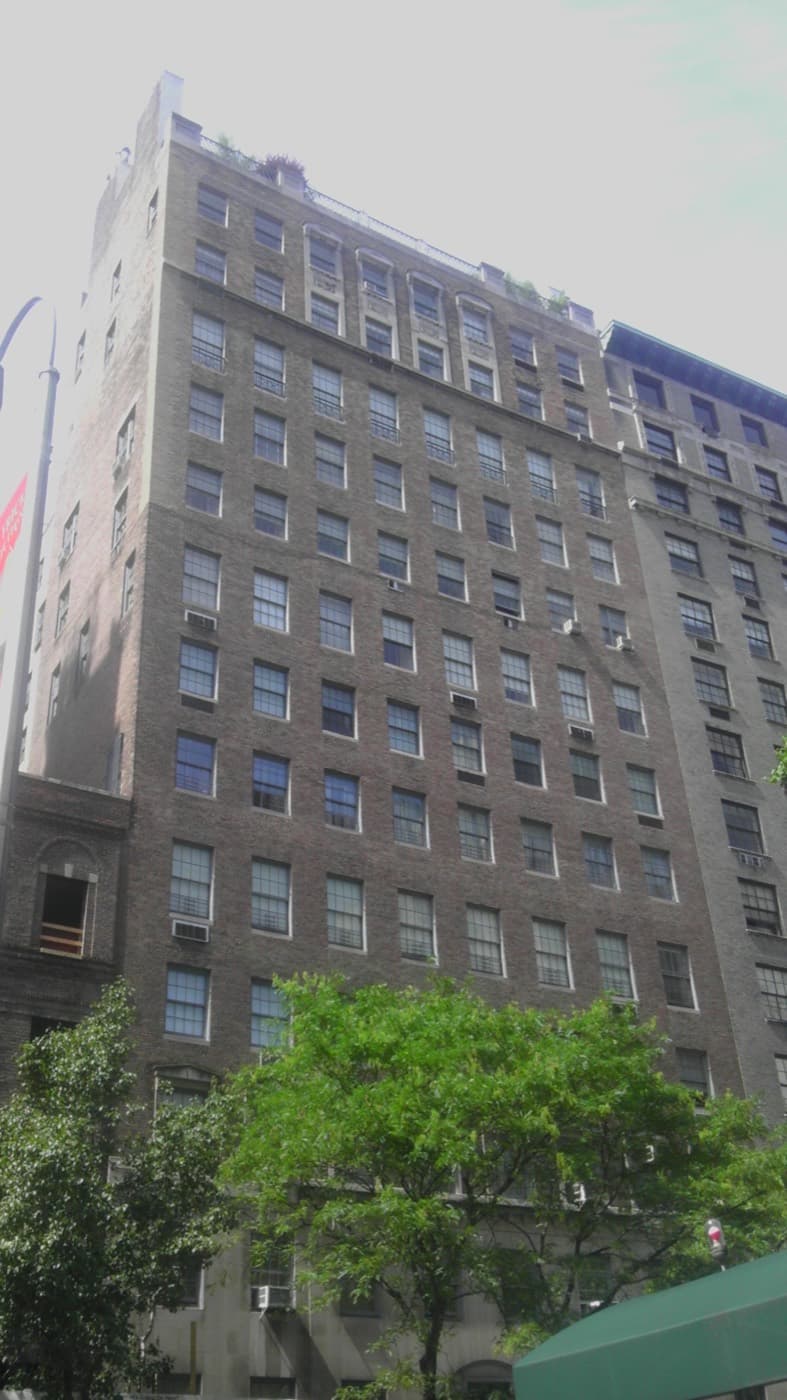
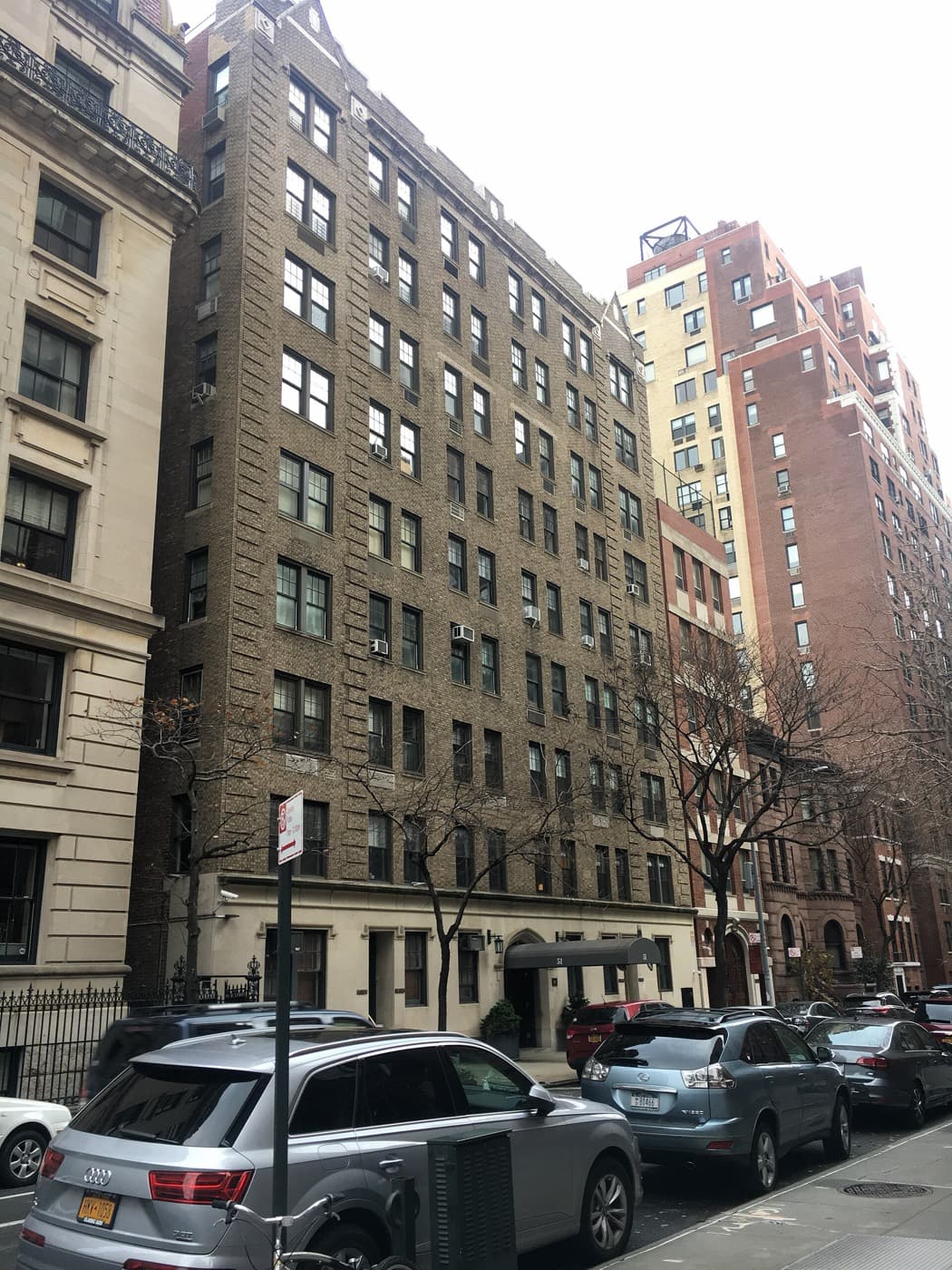
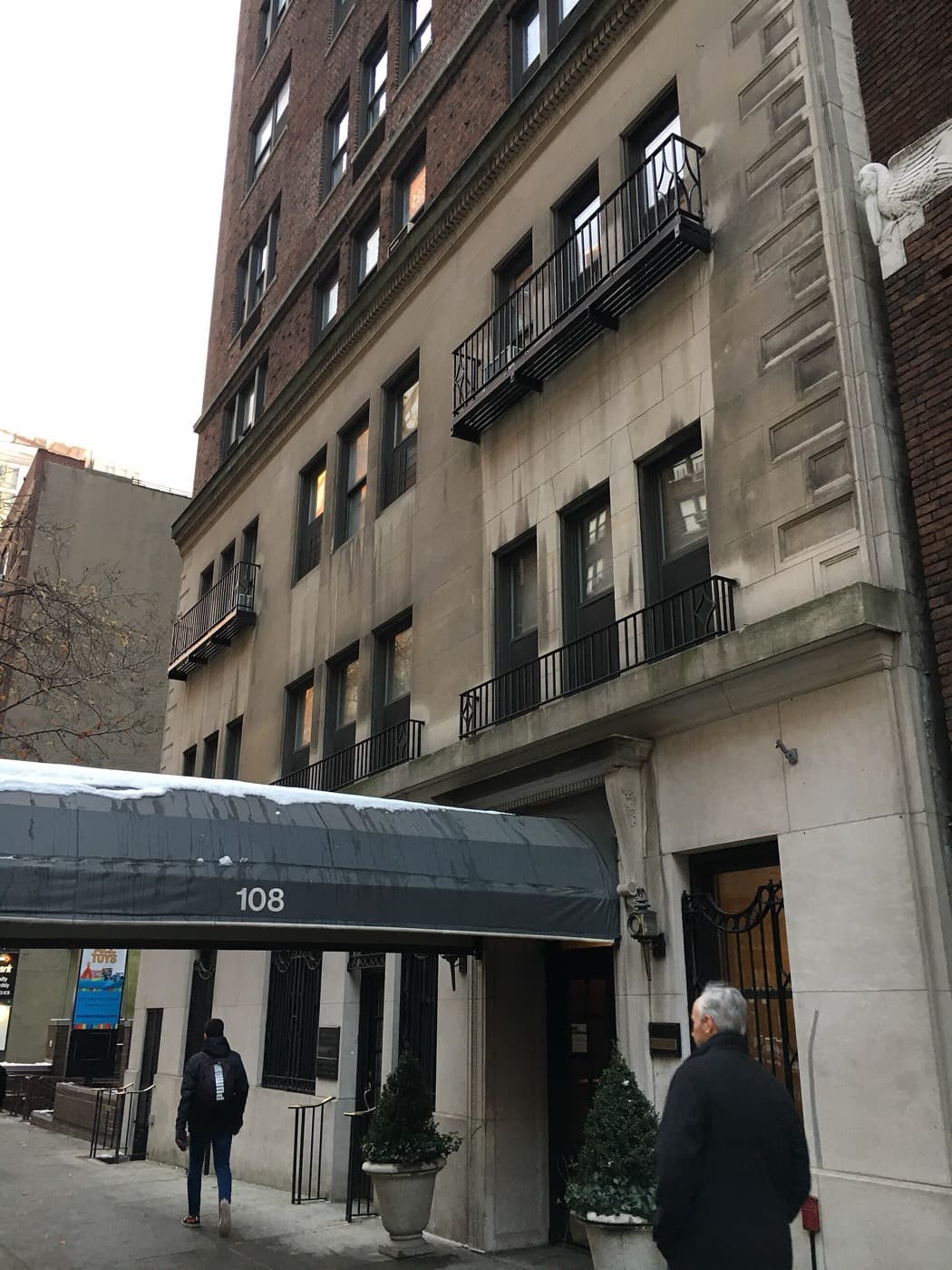
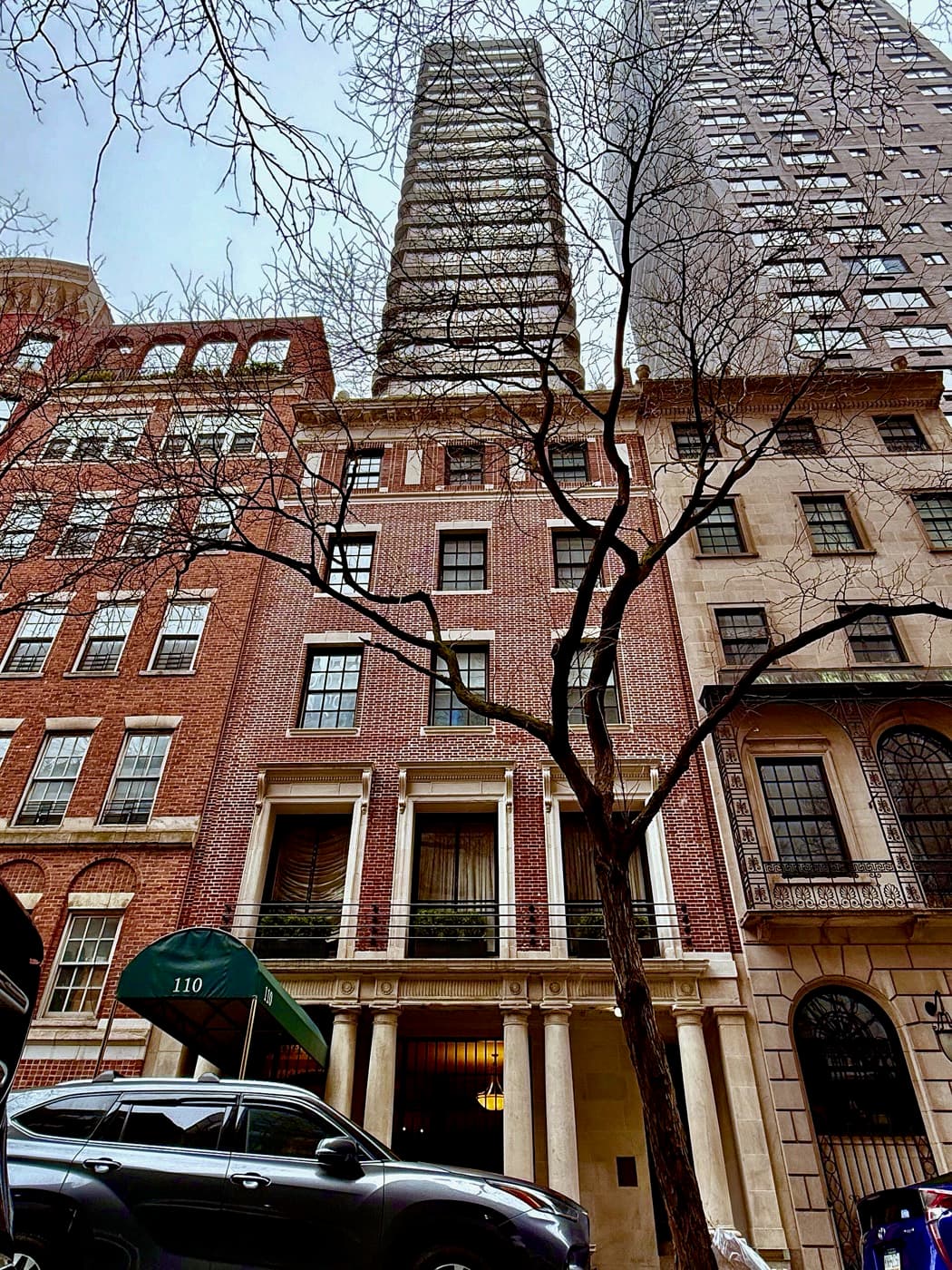
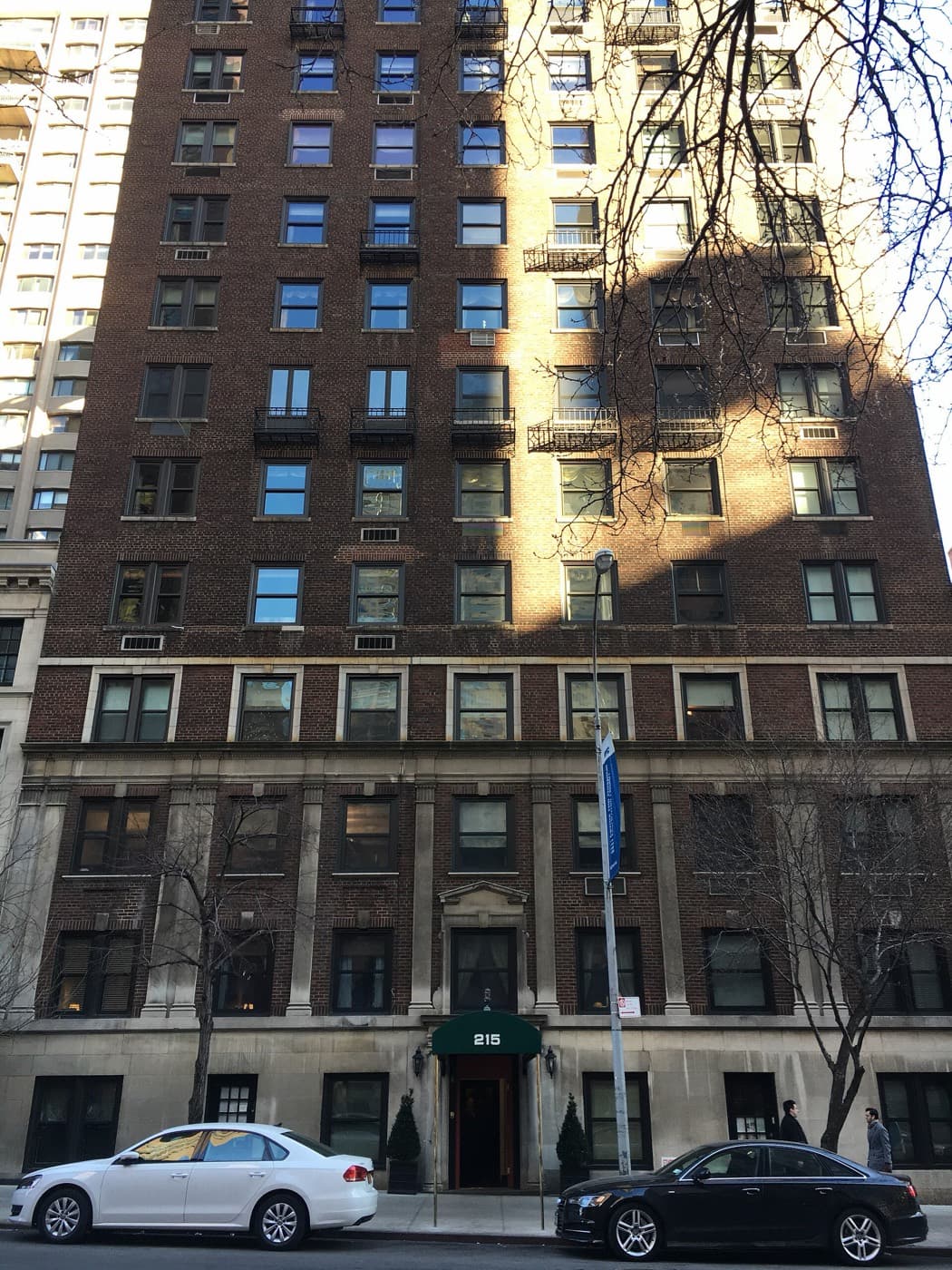
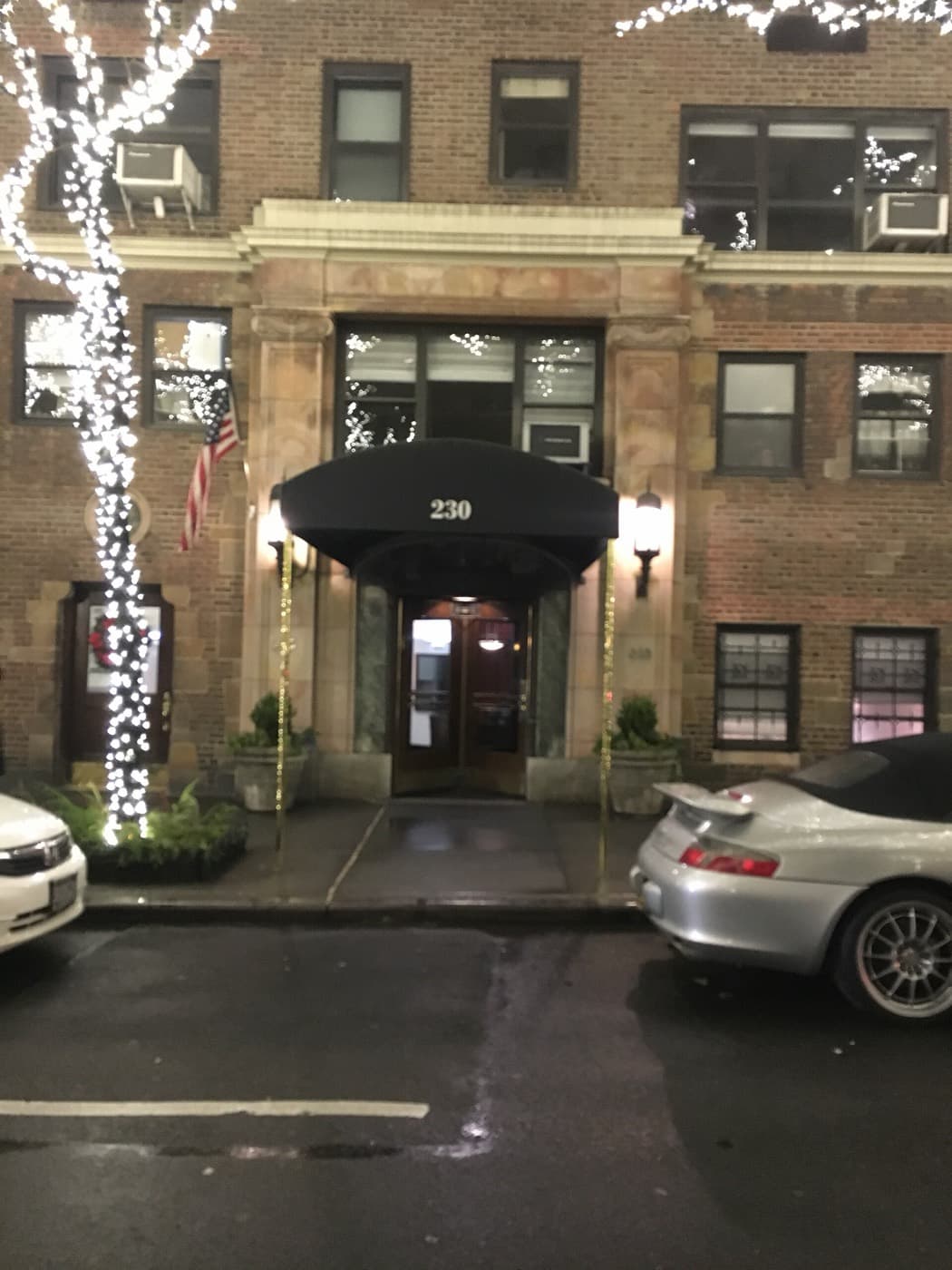
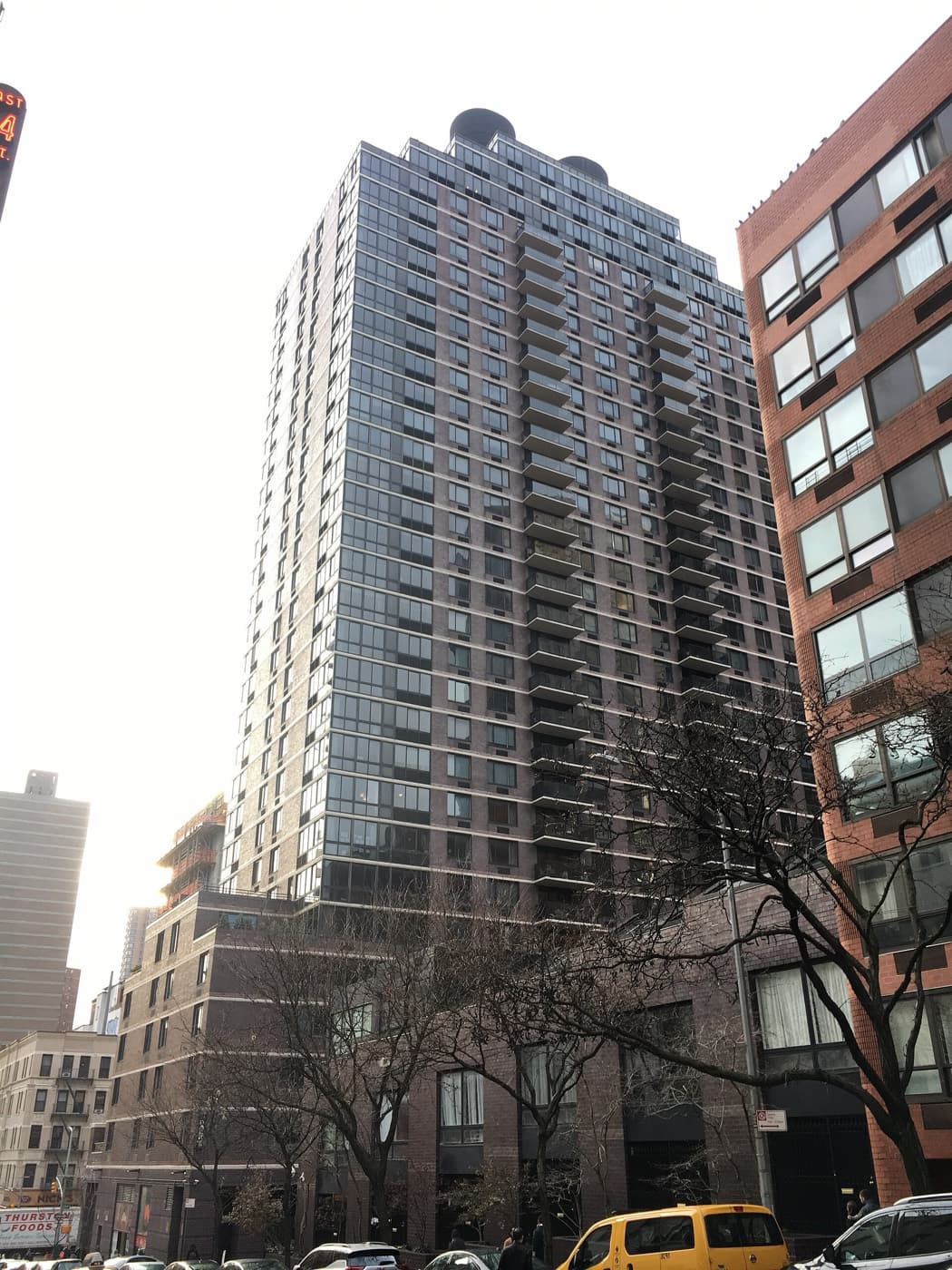
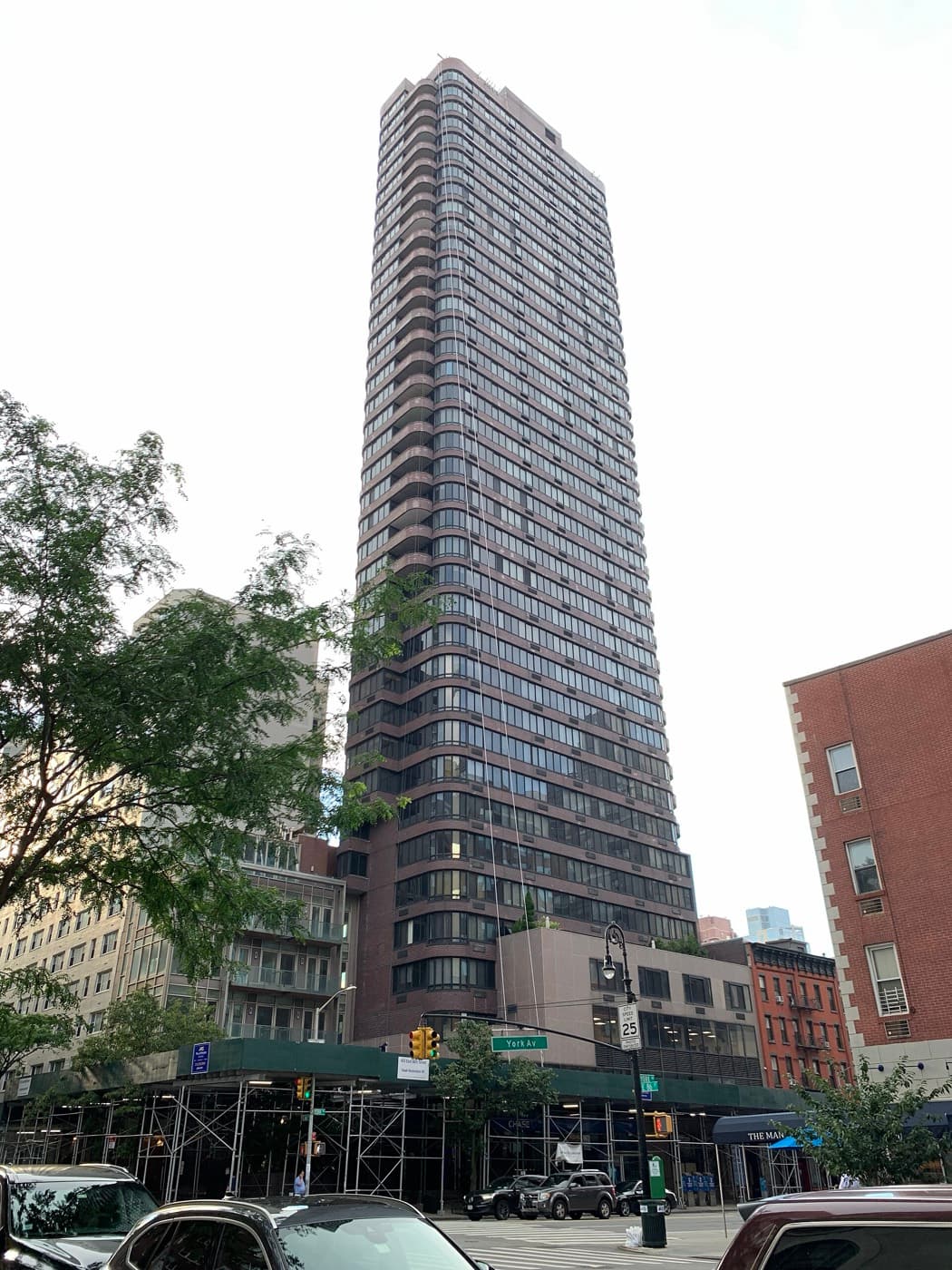
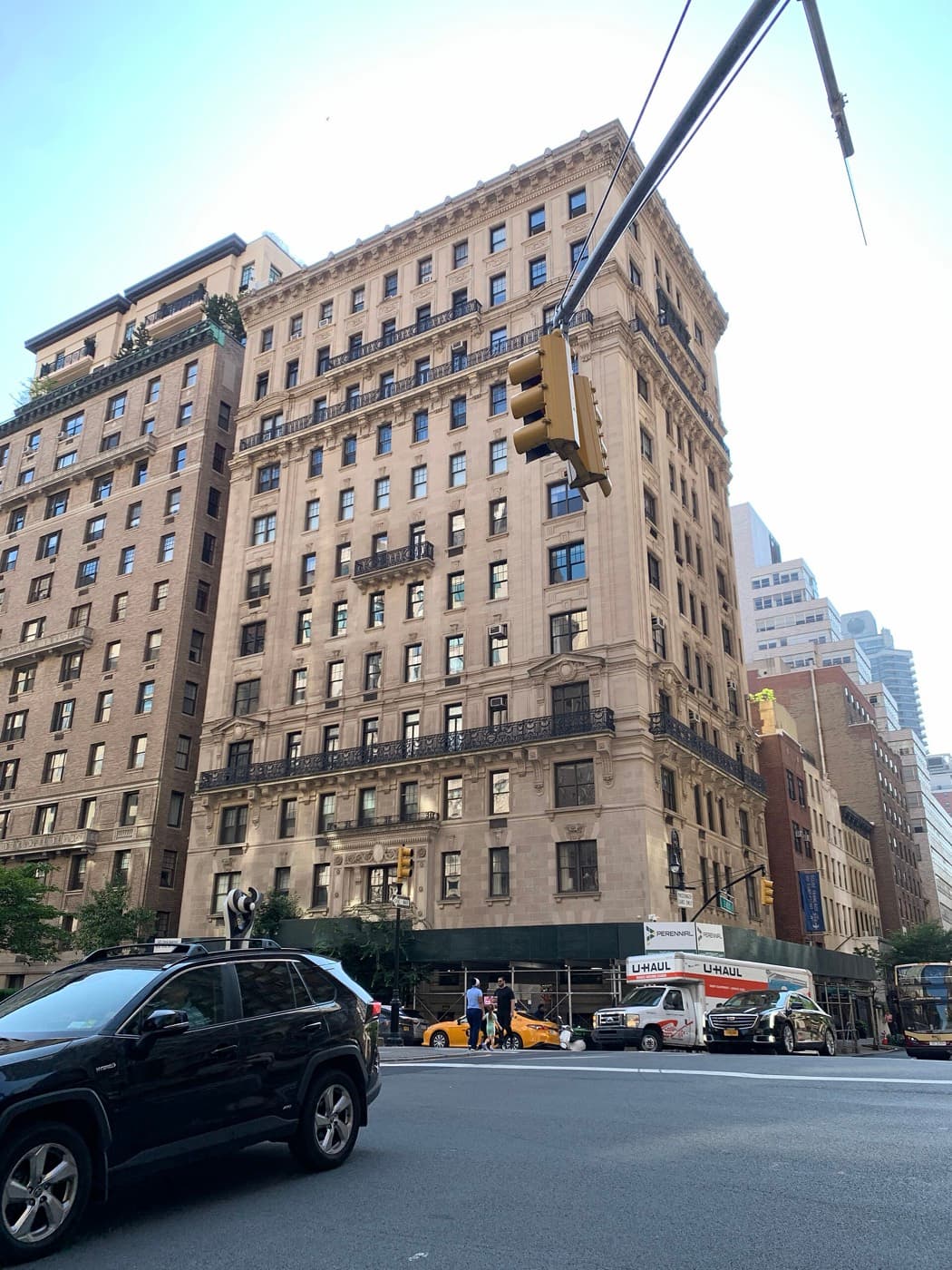
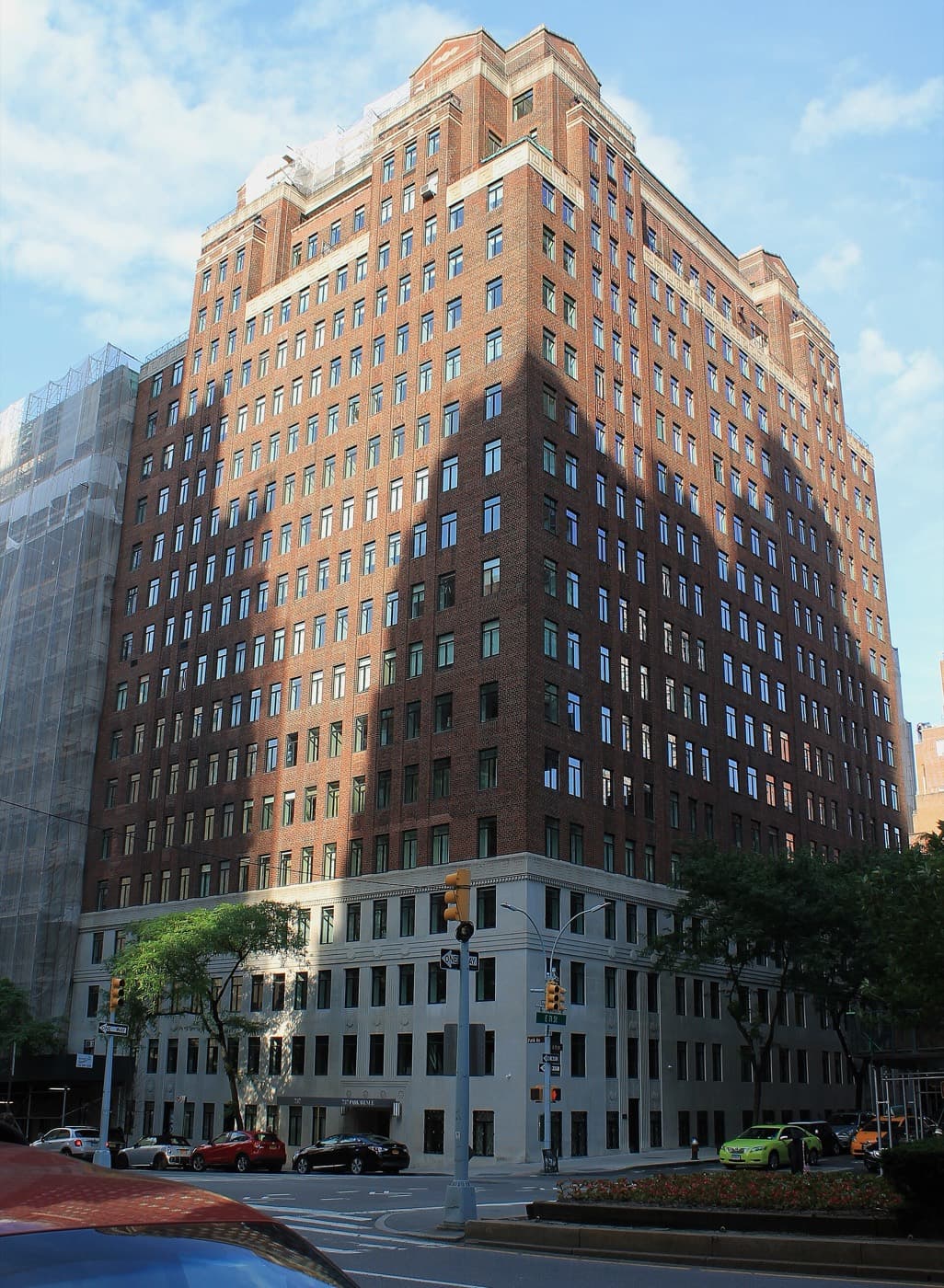
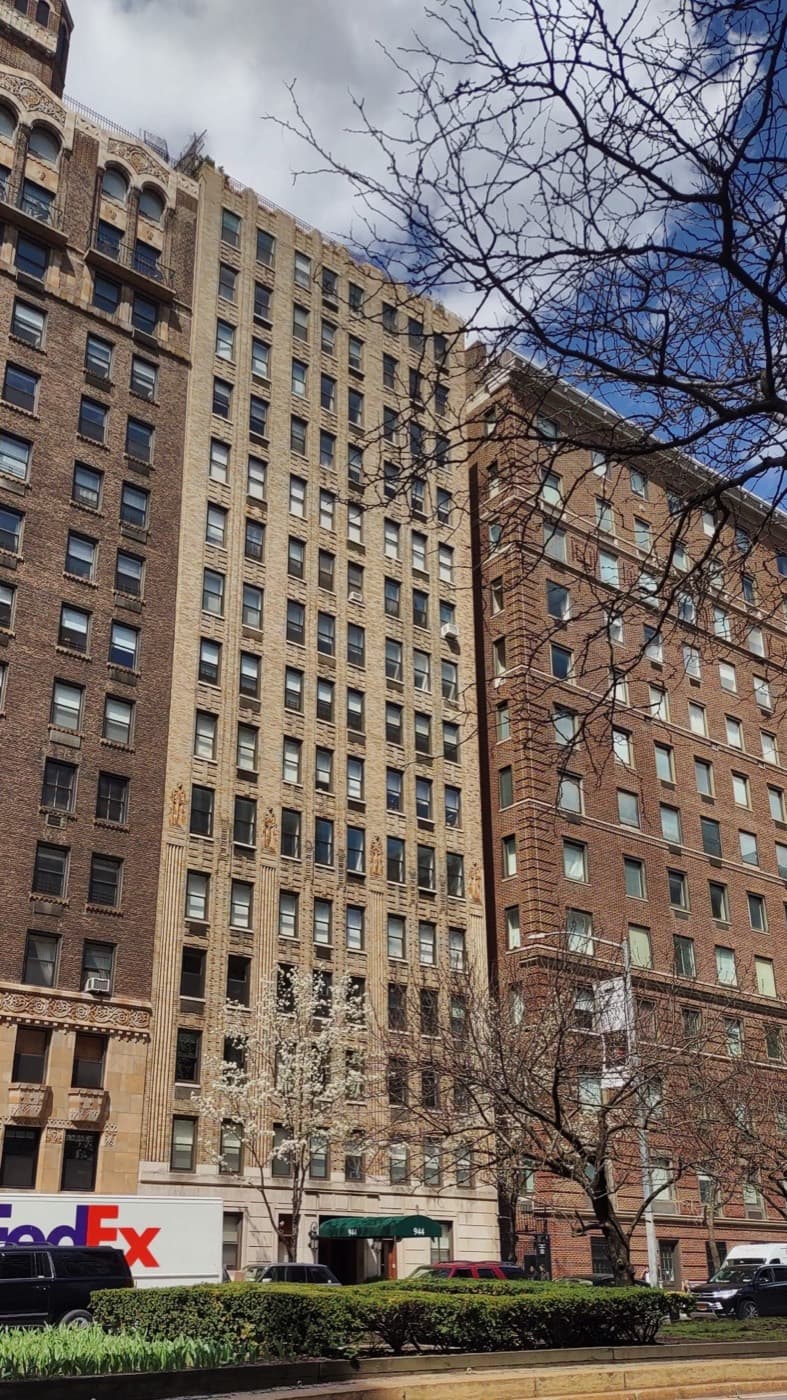
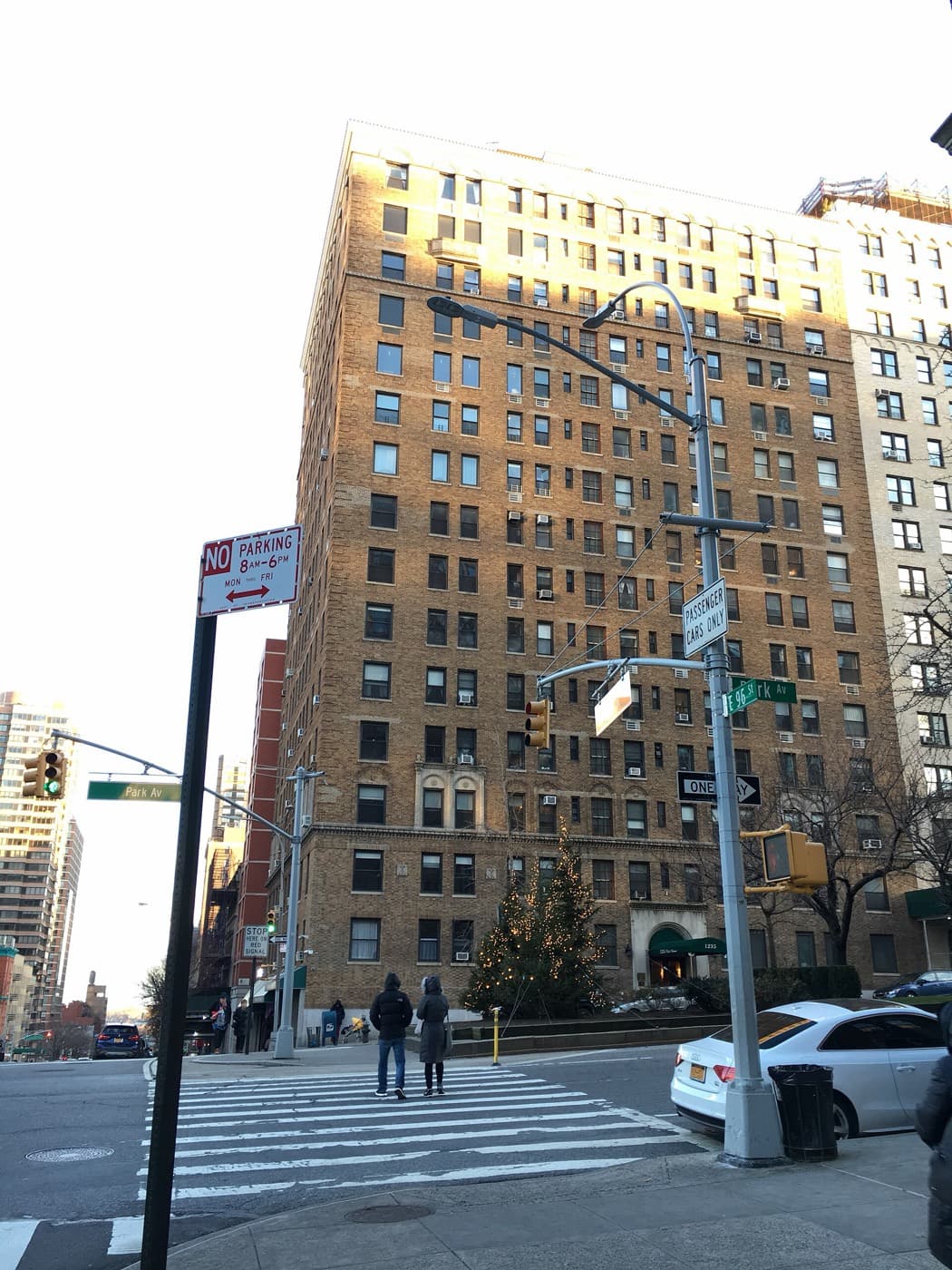
Buildings across Upper East Side




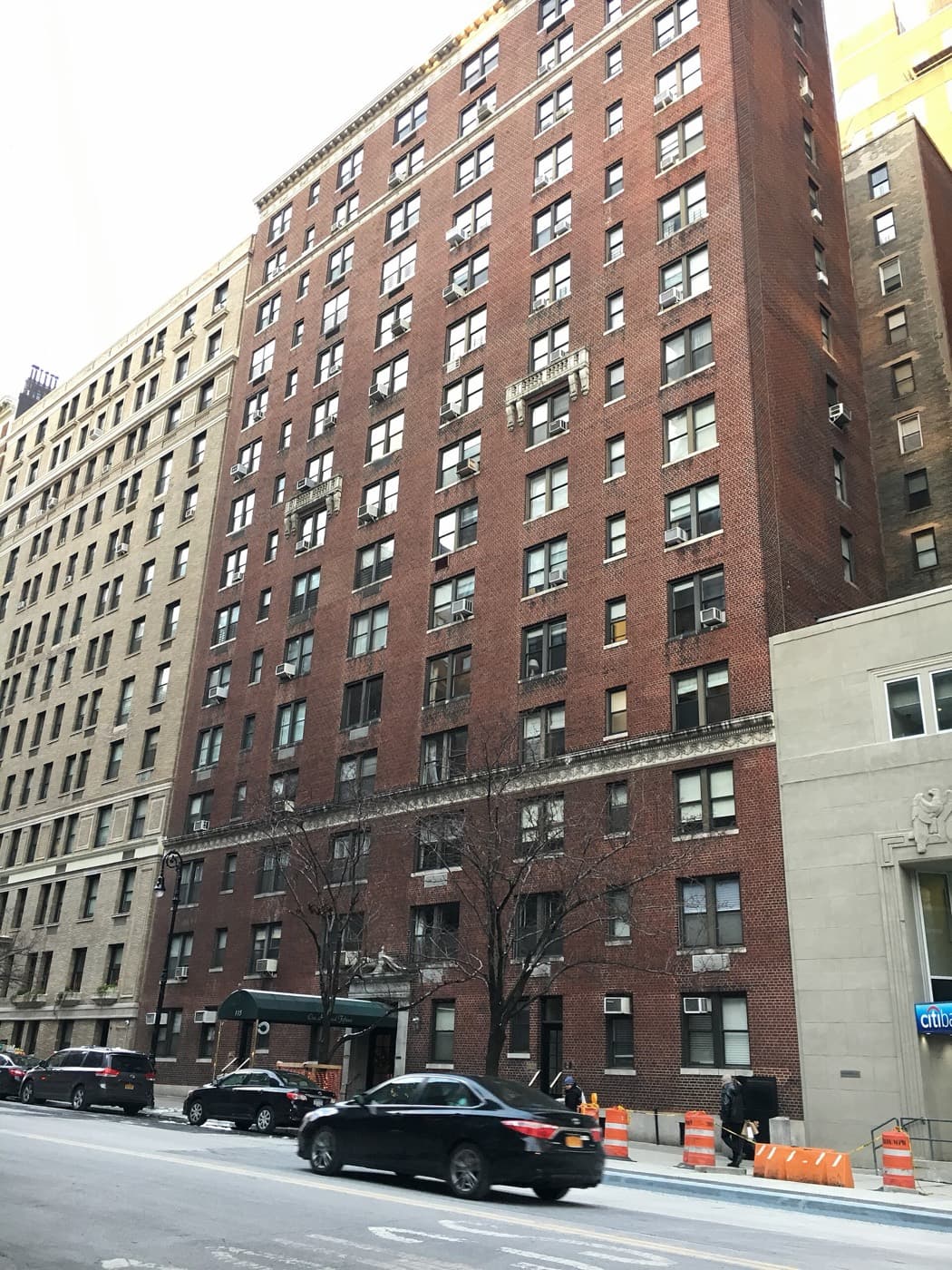
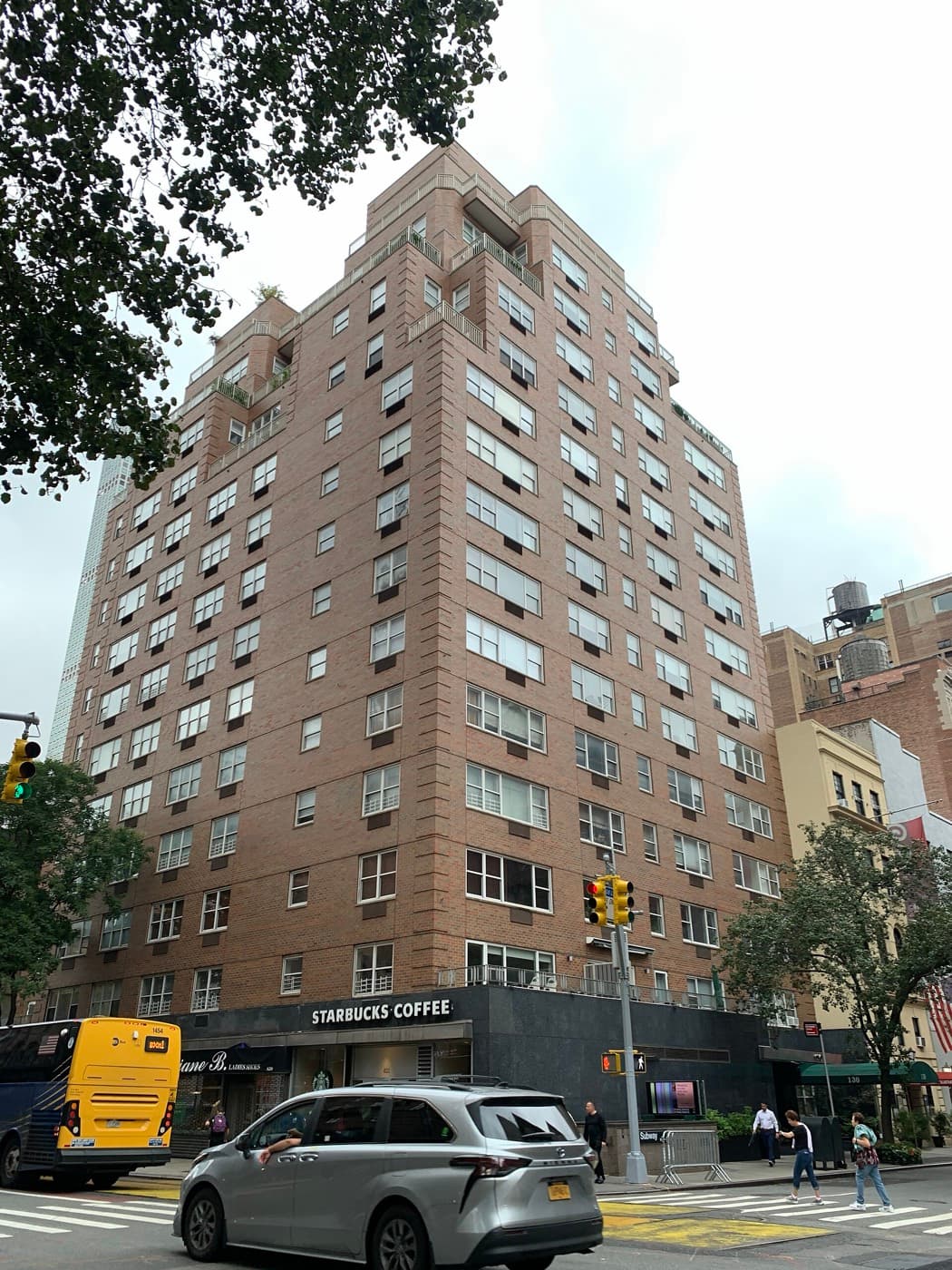

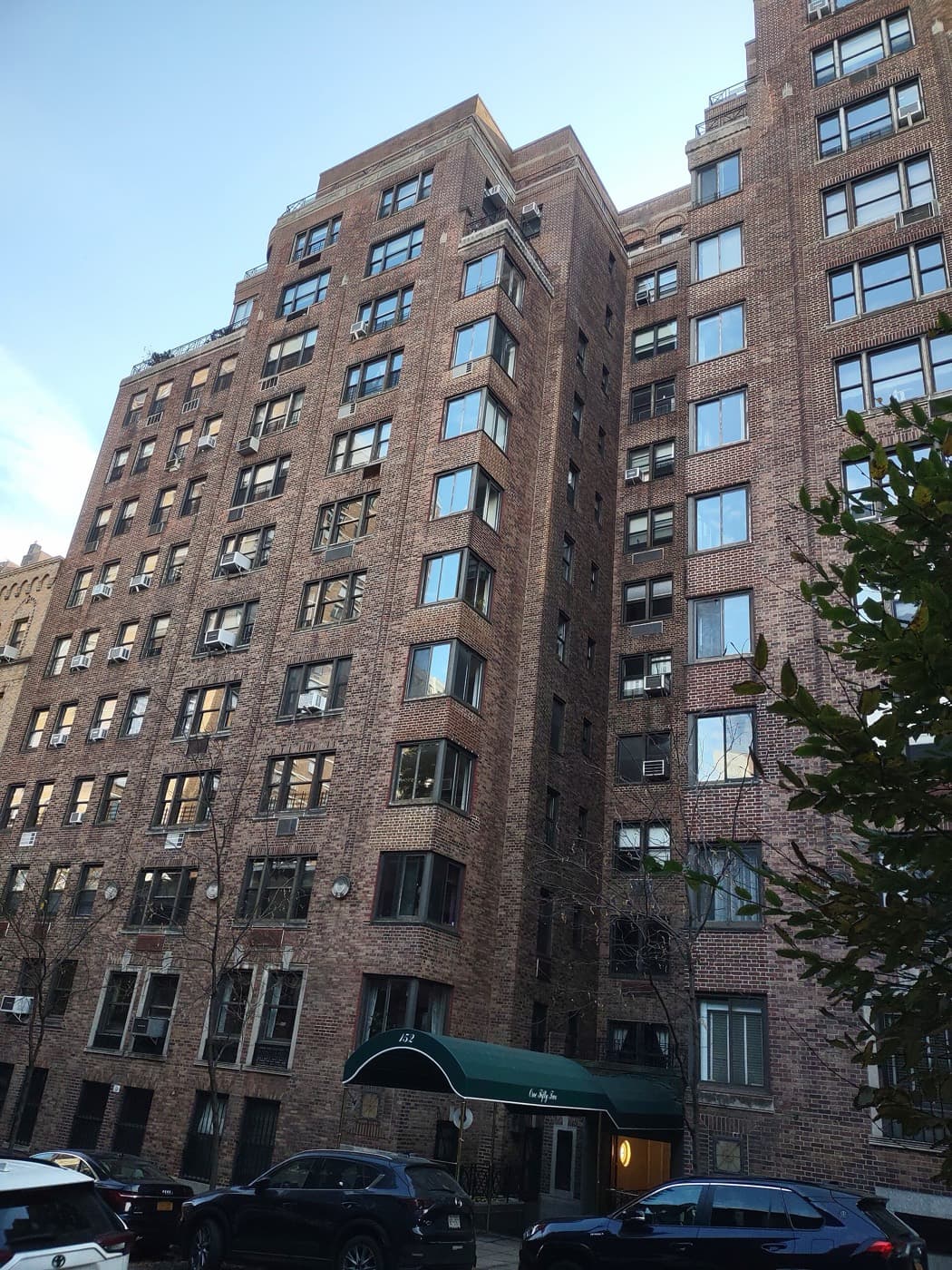
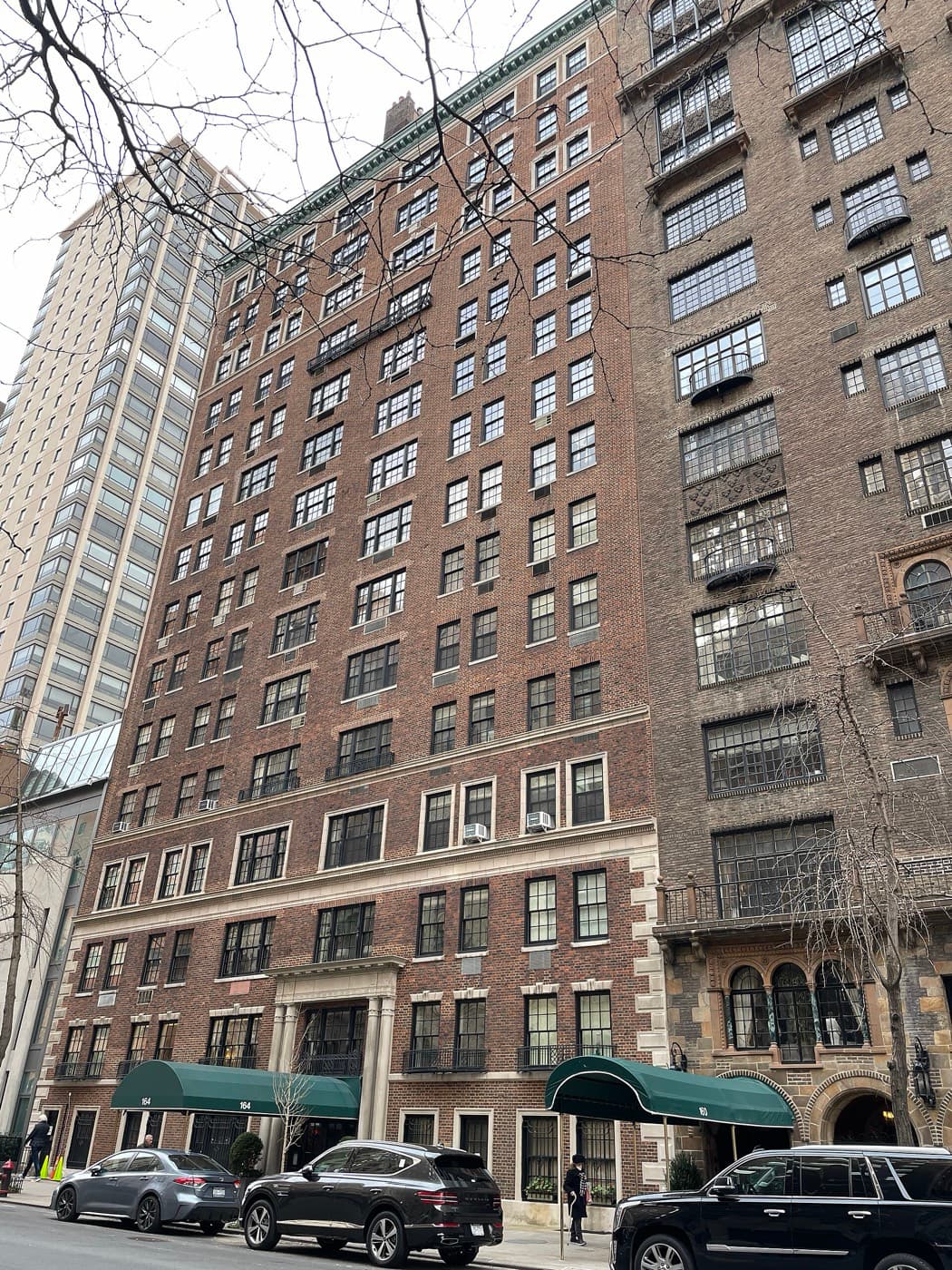

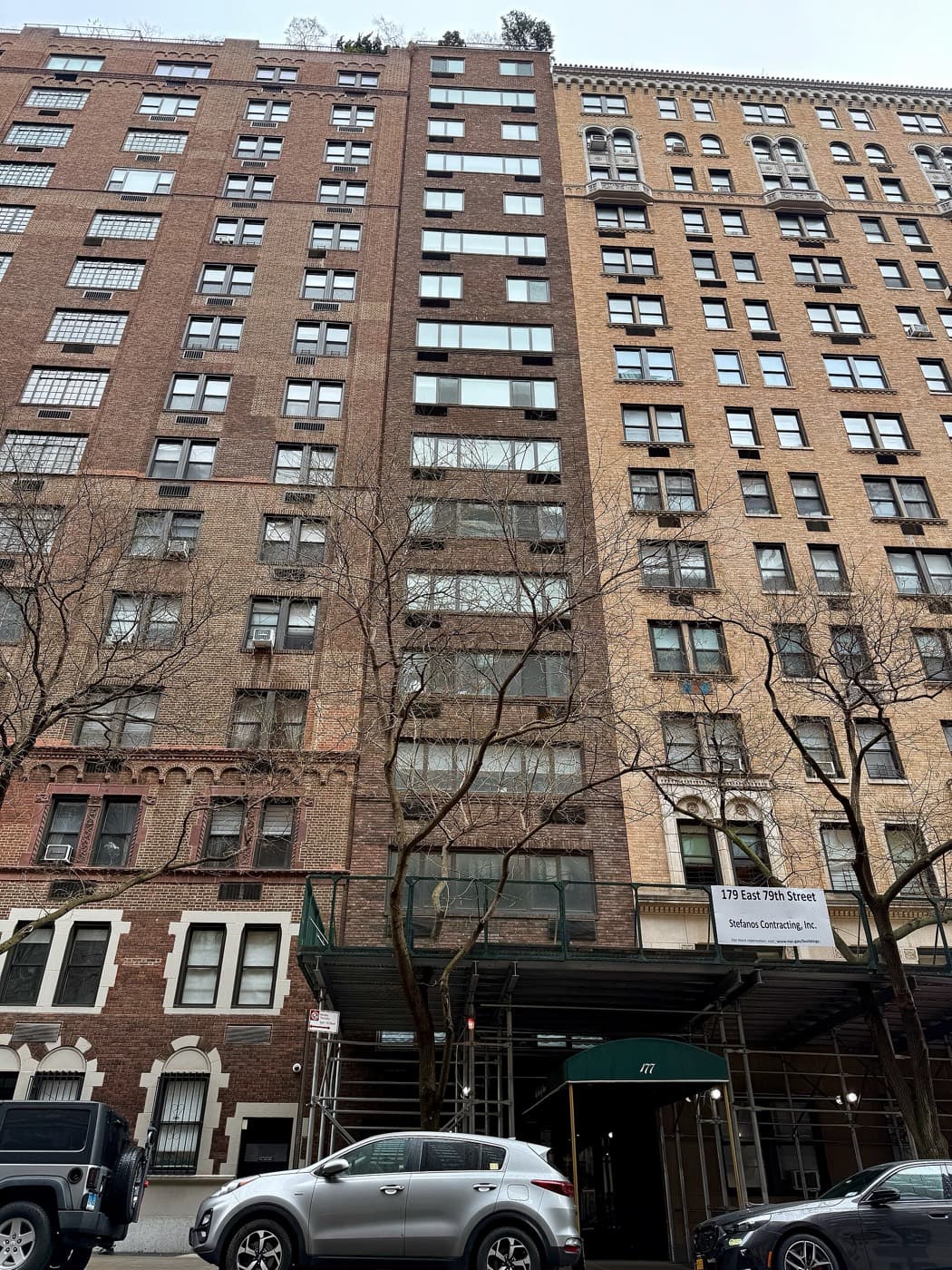
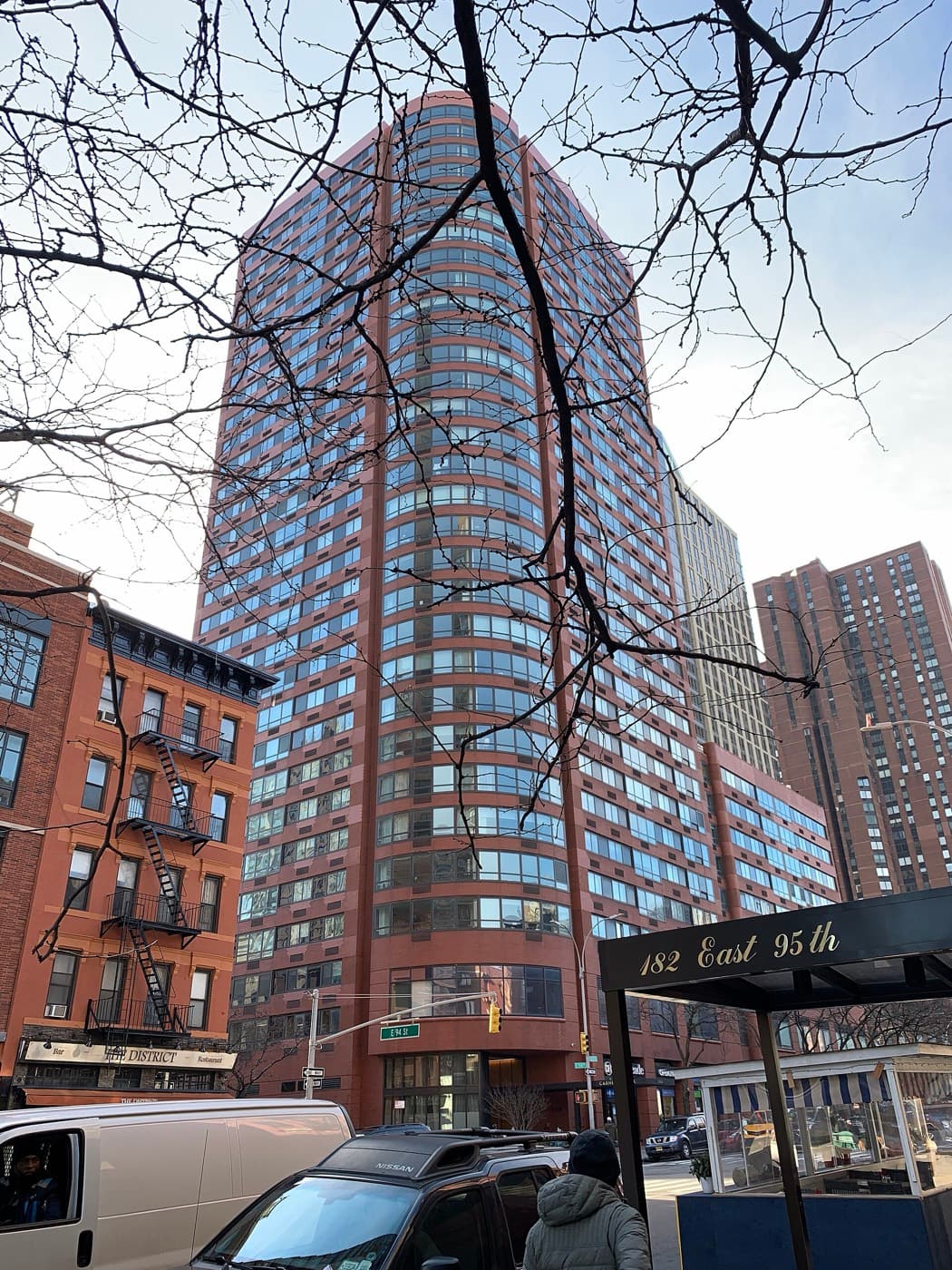


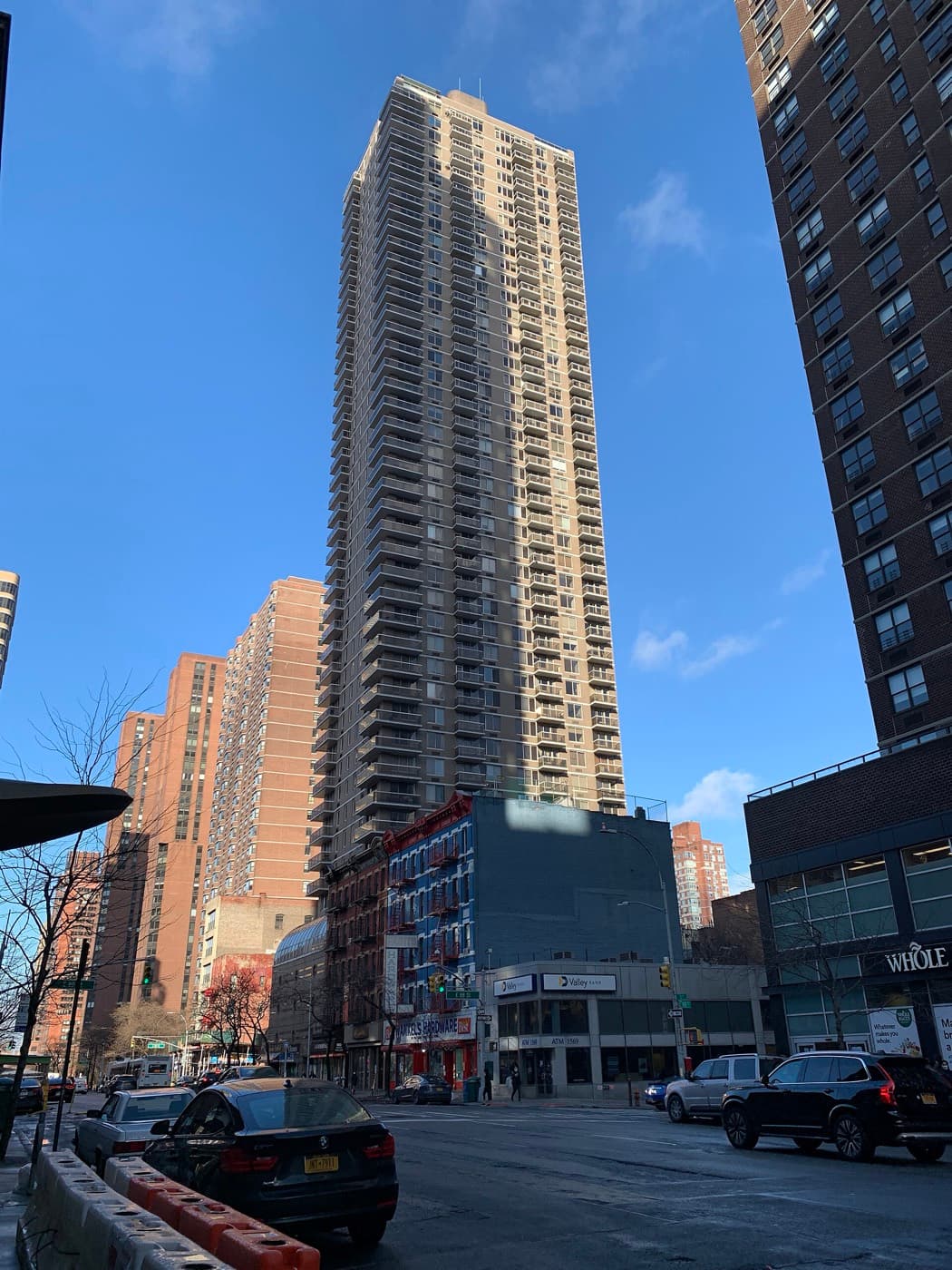
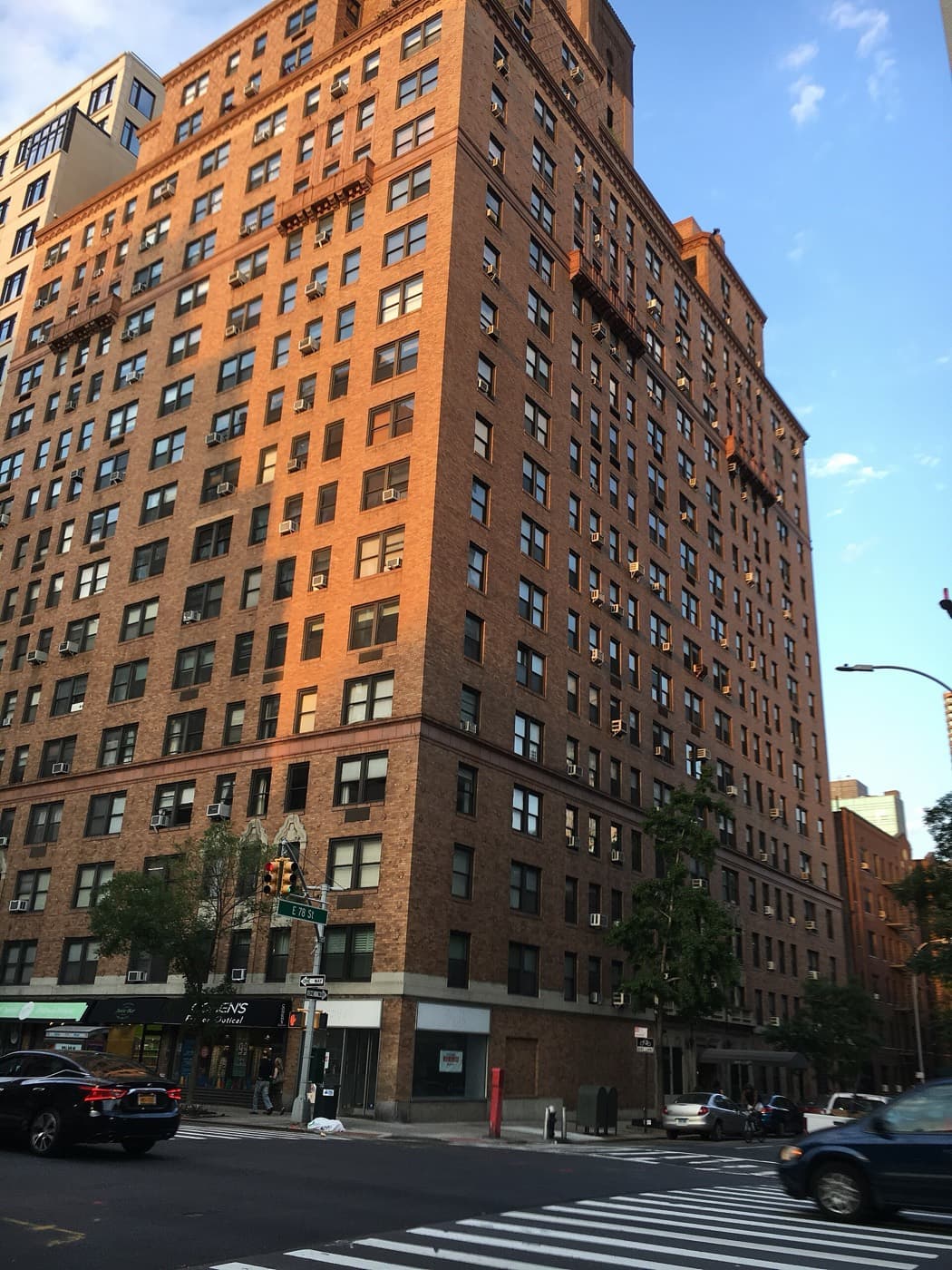




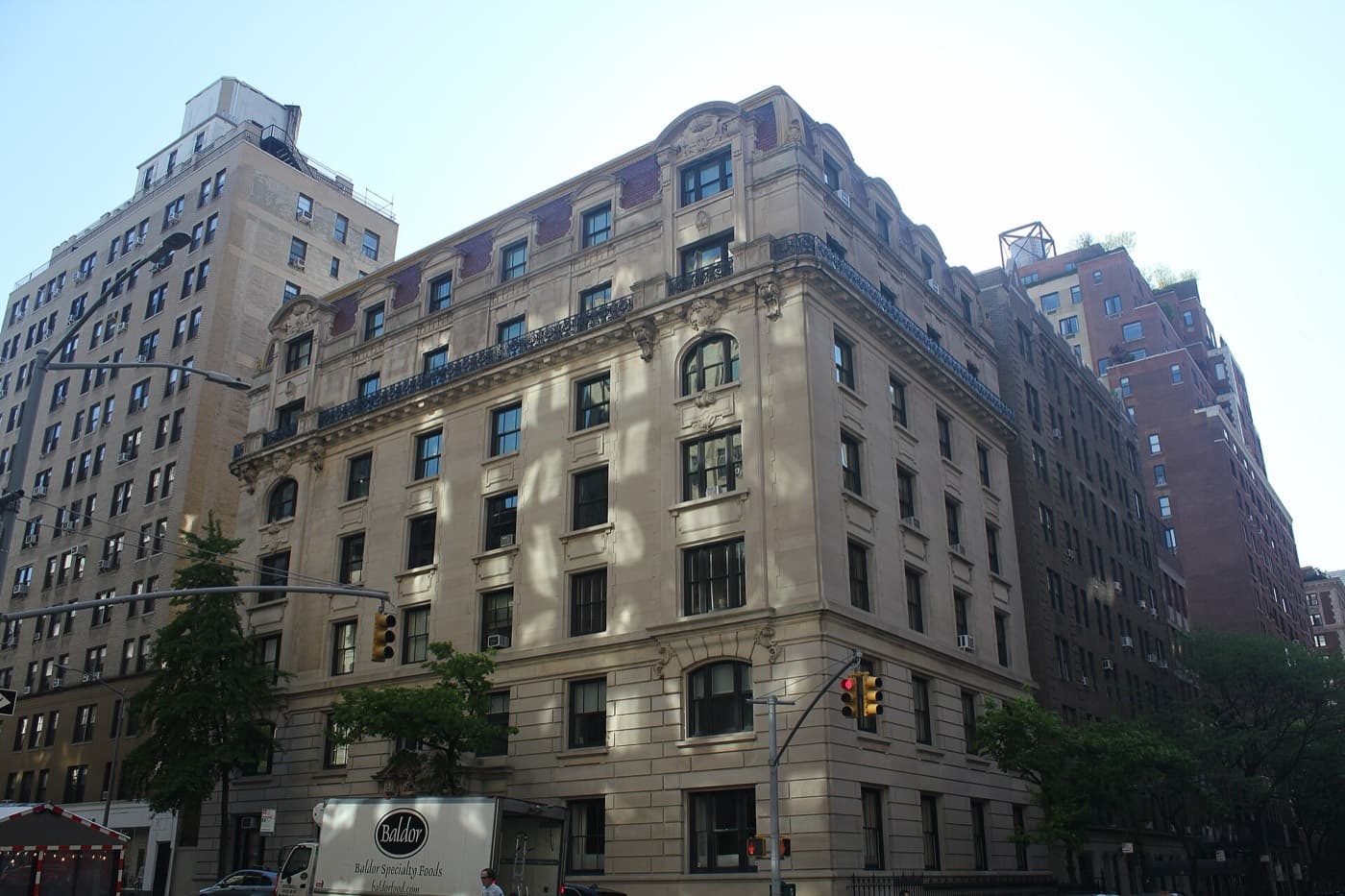
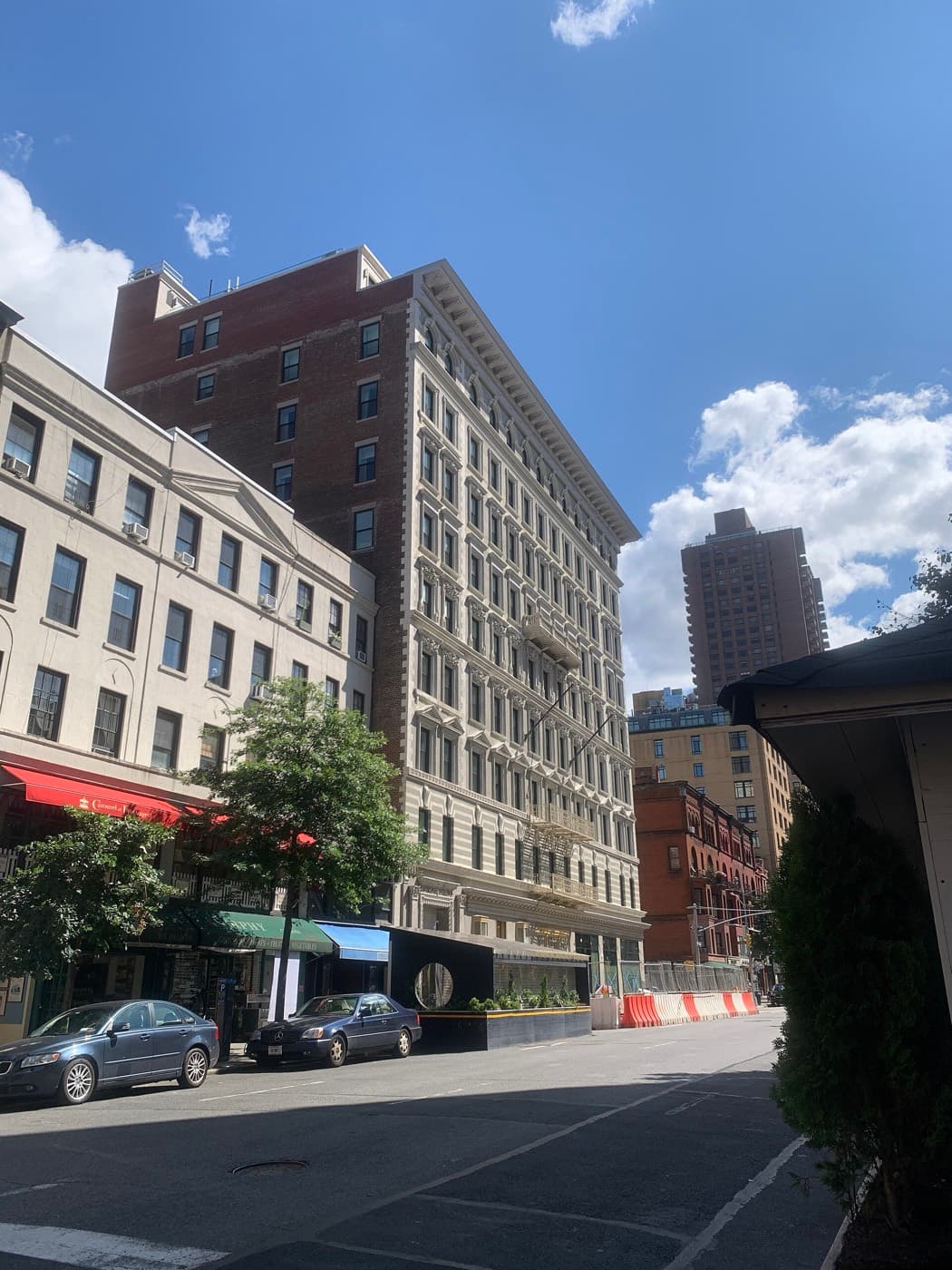
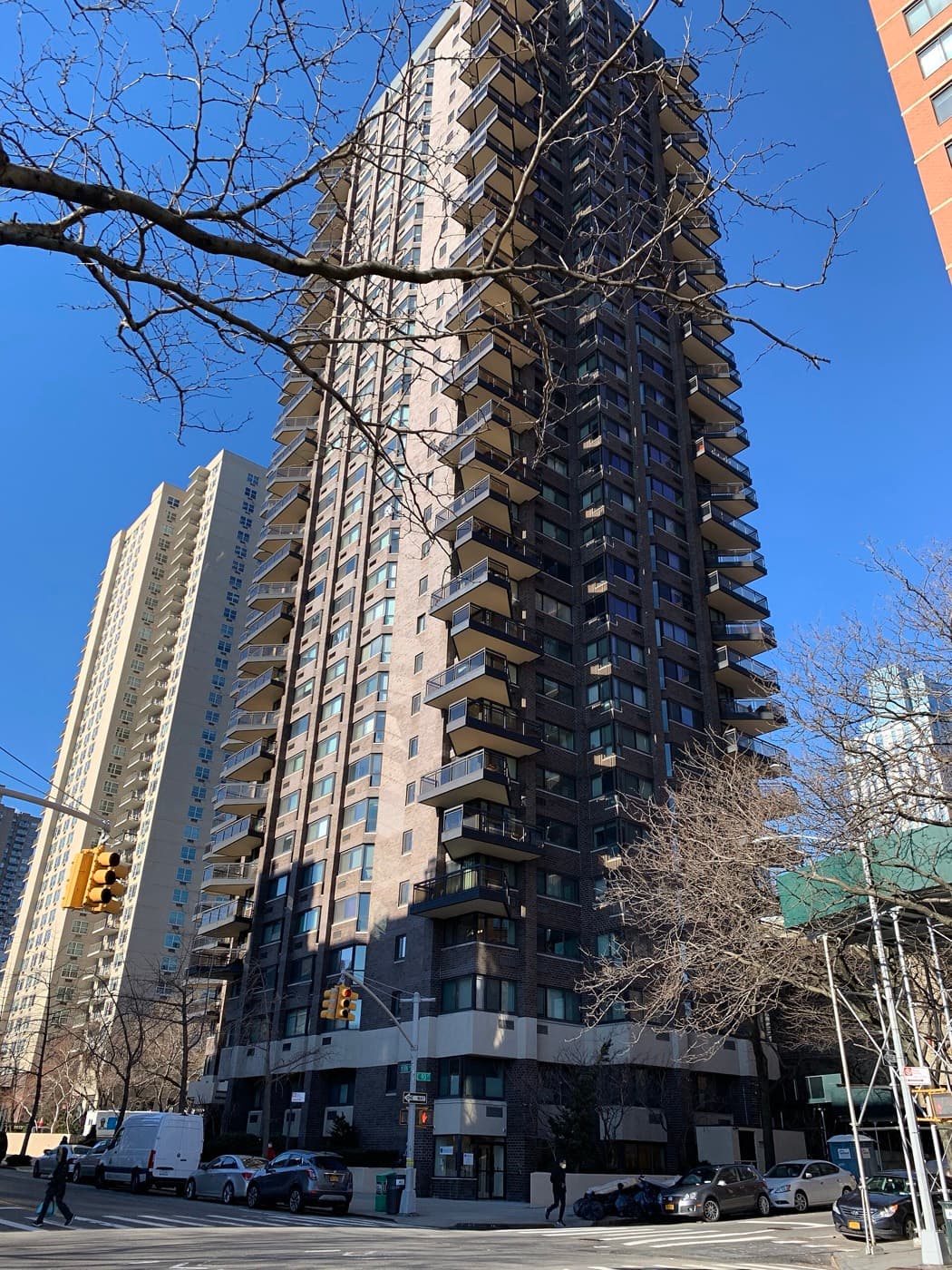
Tell us what you are looking for and the Roebling Research Desk will send building matches across Upper East Side, with pricing and diligence on each.
Get building matches sent to you →Get the corridor read on your building.
See how your apartment stacks up against the rest of Upper East Side, or get a market update tuned to this stretch — sent to you directly.