
123 West 74th Street
123 West 74th Street, New York, NY 10023
Upper West Side
BBL 1011460018 · BIN 1030062
- Year built
- 1925
- Type
- Cooperative
- Landmark
- Designated
- Financing
- Minimum 33% down payment (financing up to 67%)
Every recorded sale at this building, 2003–2026
Bedroom-by-bedroom medians, the full transfer record, and how units trade against ask.
- 2BR median
- $1.6M
- Recent range
- $1.2M – $2.2M
- Listing discount
- 0.0%
- Recorded transfers
- 42
Own an apartment here? See what it would sell for.
A Private Pricing Opinion — what your apartment at 123 West 74th Street would likely sell for today, what it costs to sell, and what you’d walk away with — reviewed personally against condition, exposures, renovation quality, and the competition actually on the market.
123 West 74th Street is the kind of building that defines the residential Upper West Side rather than announcing itself — a nine-story, 42-unit pre-war cooperative completed in 1925 on a quiet mid-block stretch between Columbus and Amsterdam. Designed by George A. Bagge & Sons, it belongs to the wave of solid, dignified apartment houses that filled in the side streets off Central Park West in the 1910s and 1920s, built for households who wanted real space, a doorman-quiet entrance, and a short walk to the park without paying for an avenue address.
It sits inside the Upper West Side / Central Park West Historic District, which means the building's masonry façade and streetwall are protected and the block around it has been spared the kind of out-of-scale redevelopment that reshaped other corridors. For a buyer, that protection is a quiet form of insurance: the light, the scale, and the architectural character of the surrounding street are stable in a way few neighborhoods can promise.
The appeal here is fundamentals. Generous pre-war layouts, a low-key shareholder community, and a location three short blocks from Central Park and equally close to Broadway's restaurants, markets, and the 1/2/3 and B/C subways. This is a building people buy into for the long haul.
Architecture and unit composition
Bagge & Sons designed 123 West 74th Street in the restrained Renaissance Revival idiom that suited the Upper West Side's better side-street houses — a masonry elevation with a defined base, a quiet middle, and modest cornice detailing, scaled to read as part of a continuous streetwall rather than as a standalone tower. At nine stories and roughly 54,000 square feet across 42 apartments, the building averages well over 1,200 square feet per unit, a figure that signals the kind of full pre-war layouts — separate dining rooms, foyers, defined bedroom wings — that the era built and that are difficult to reproduce today.
Apartments range from gracious one- and two-bedrooms to larger three-bedroom homes, many retaining hardwood floors, high ceilings, beamed details, and the deep proportions characteristic of the period. Original layouts vary floor to floor; over a century of ownership, individual units have been renovated to differing degrees, so the building offers both turnkey homes and apartments with renovation upside.
Building operations
123 West 74th Street operates as a traditional self-managed-feel pre-war co-op with a live-in superintendent and porter staff handling day-to-day maintenance, package handling, and the central laundry. The building maintains private storage and a bicycle room, and access is by elevator with video intercom security rather than a 24-hour doorman — a structure that keeps monthly maintenance efficient for a building of this size. Pets are permitted subject to board approval, in keeping with the building's family-and-long-term-resident character.
The cooperative's scale — 42 apartments across nine floors — gives it a manageable budget and a close-knit shareholder base, the kind of building where the board knows its owners and capital decisions are made deliberately. As with any pre-war cooperative, prospective purchasers should review the building's financials, reserve posture, and any planned capital work as part of the board package process.
Local Law 97
- 2024–2029 annual penalty
- $0 (under cap)
- 2030–2034 annual penalty
- $0 (under cap)
- Per unit / month range
- —
Source: NYC LL84 benchmarking and PLUTO · The Roebling Research Library. City record last verified September 2026.
See full Local Law 97 analysis — emissions history, scenarios, methodology →Facade safety — Local Law 11
The latest available filing classified the facade as SWARMP — Safe With A Repair and Maintenance Program: the engineer identified conditions requiring monitoring or repair before the next inspection cycle. The scope, timeline, and how the building funds the work are building-specific — we review the filings and board materials for you.
How to read this, and where it comes from
QEWI = Qualified Exterior Wall Inspector — the licensed engineer the city requires to sign the report (the independent expert, not the managing agent).
Source: NYC DOB facade filings (FISP) · The Roebling Research Library. City record last verified September 2026.
Inside 123 West 74th Street
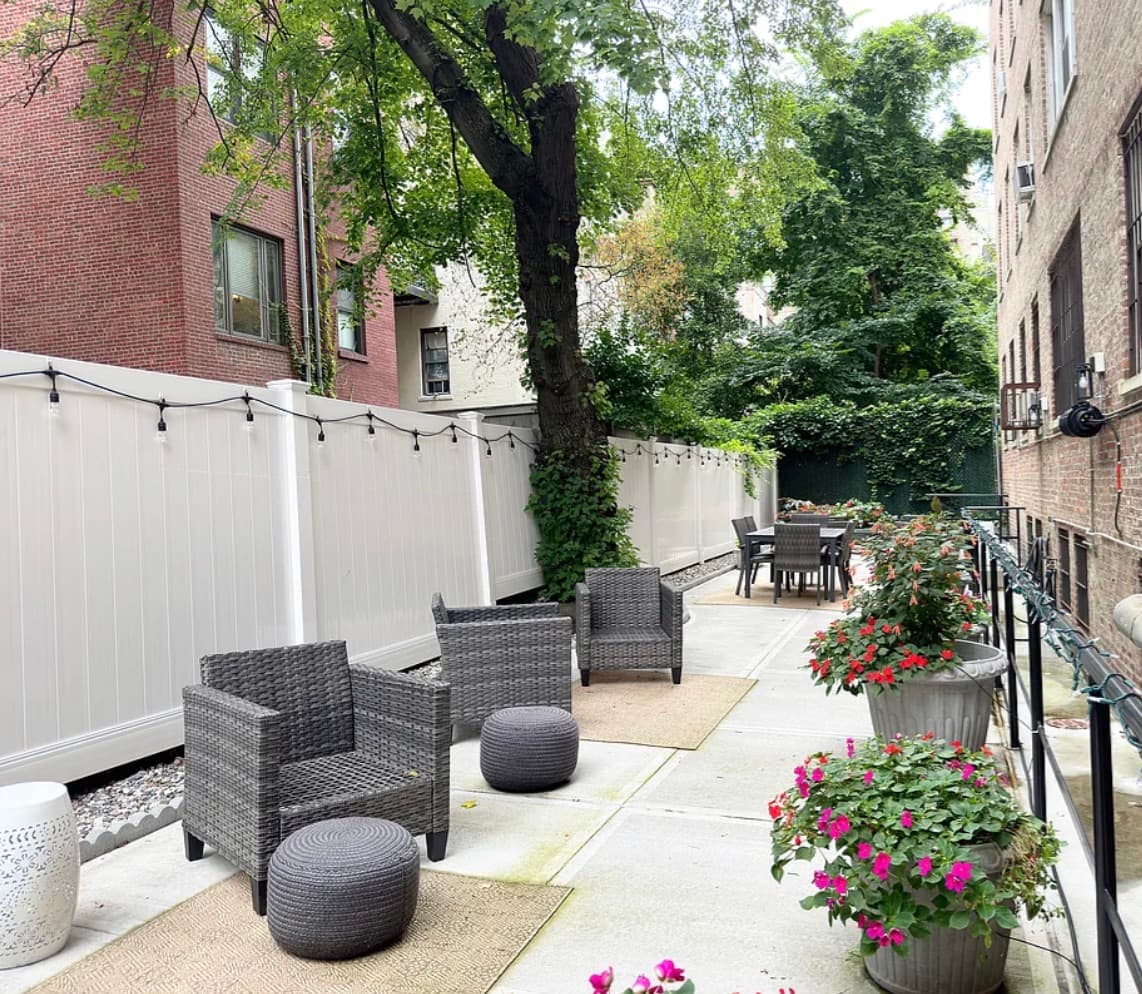
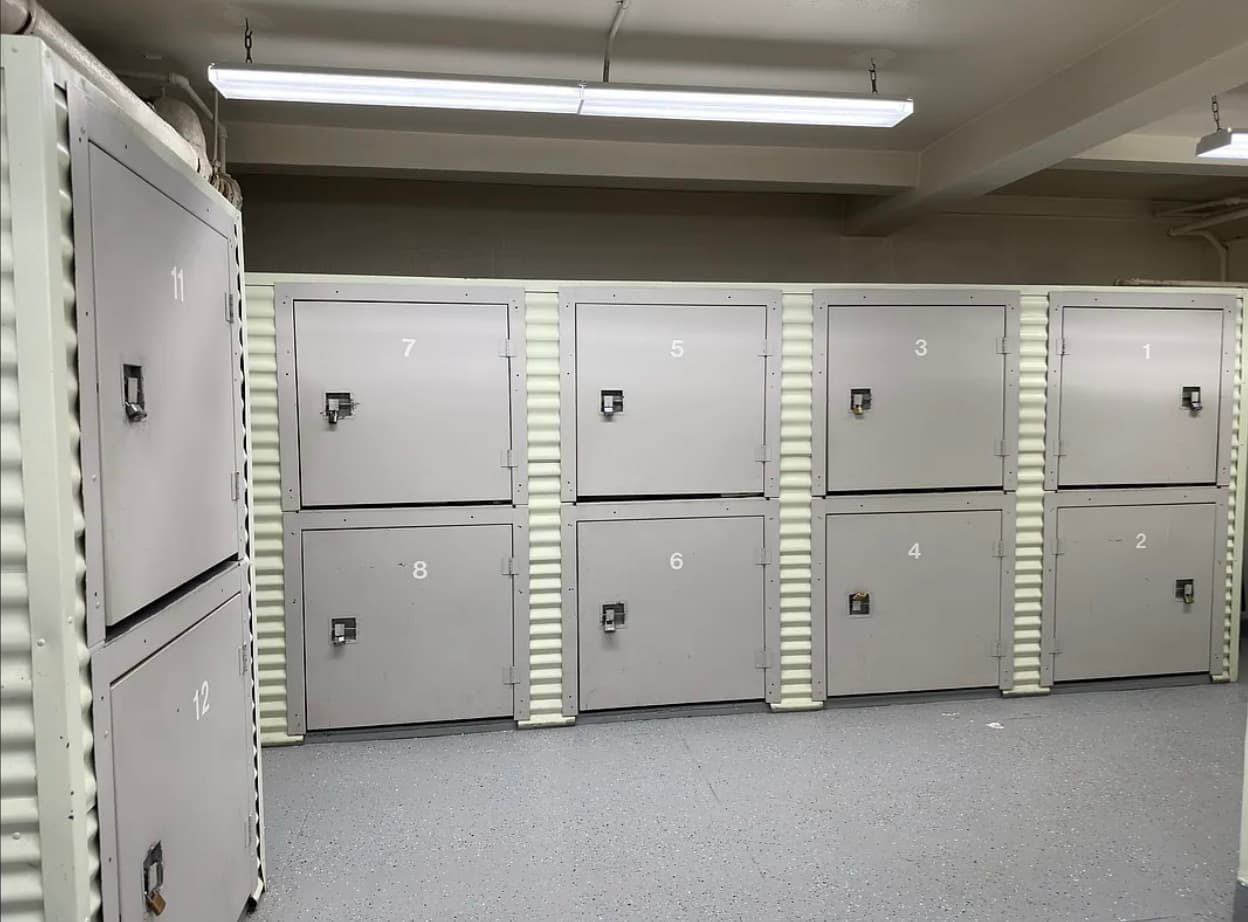
Recent sales
Recent transfers at this building, curated by The Roebling Team research desk. Prices are the transfer amounts recorded with the NYC Department of Finance; apartment-level detail is checked against the building’s own file in The Roebling Research Library before publishing.
| Date | Unit | Apartment | Price | PPSF | vs. Ask |
|---|---|---|---|---|---|
| Jan 15, 2026 | 6D | 2 BR · 1.5 BA | $1,795,000 | +0.0% | |
| Sep 4, 2025 | 9C | 2 BR · 1.5 BA | $1,600,000 | +18.5% | |
| Aug 21, 2025 | 5B | 2 BR · 2 BA | $1,949,000 | +0.0% | |
| Jan 8, 2025 | 4C | 2 BR · 1.5 BA | $1,175,000 | -15.8% | |
| Jul 29, 2024 | 8A | 3 BR · 2 BA · 1,410 sf | $2,150,000 | $1,525/sf | +0.0% |
| Feb 29, 2024 | 2A | 2 BR · 2.5 BA | $1,700,000 | -2.9% | |
| Jan 9, 2024 | 9B | 3 BR · 2 BA · 1,400 sf | $2,175,000 | $1,554/sf | +0.0% |
| Nov 20, 2023 | 2C | 2 BR · 1.5 BA | $1,250,000 | -3.5% |
Market read. $/sf is measured on the latest sales with reliable square footage (2024): a median $1,529/sf across 2 sales. The building has traded as recently as 2026. Median listing discount 0.0% from the last ask.
The retrade record
Lines that have traded more than once in the public record — the building’s appreciation arc, apartment by apartment.
Full closing history with price-per-square-foot over time, the complete retrade record, and every line that has traded.
Sales sourced from NYC Department of Finance recorded transfers (BBL 1-01146-0018) and verified listing data. Apartment-level facts (line, condition, asking-price context) curated and cross-verified by The Roebling Team research desk. Not all transactions cross-verify with ACRIS records — sponsor and LLC purchases sometimes record at stipulated values rather than market price; square footage on co-ops is not officially recorded, figures shown are approximate.
What to know if you’re buying
This is a co-op, so a purchase runs through a board application and interview, and buyers should plan for the financial scrutiny that comes with it — a clean financial picture and reasonable post-closing liquidity matter. Pre-war co-ops of this vintage limit financing — here the board requires a minimum 33% down payment (financing up to 67%); pied-à-terre and investor purchases are generally discouraged in favor of primary-residence owners. Pets are allowed with board approval, and in-unit washer/dryers are permitted. Buyers should weigh the value equation carefully: pre-war space and a historic-district block at a price point below the avenue addresses, in exchange for the board process and the self-service (rather than full-doorman) operation.
The right buyer here is someone who values square footage, architectural character, and a stable long-term community over amenities and lobby theater — and who appreciates that the historic-district protection around the building is a durable asset.
What to know if you’re selling
The selling case is built on the pre-war fundamentals: real layouts, high ceilings, a protected historic-district block, and a walk-everything Upper West Side location. Renovated apartments with strong light show best and justify the building's top pricing; sellers of original-condition units should price to renovation reality and target buyers looking for value and upside. Because the building trades infrequently, positioning against the right comparable set — nearby pre-war side-street co-ops rather than amenity-rich towers — is essential to setting expectations and timing. A board-ready buyer is as important as the price; we screen for financial qualification early to protect the deal through the application.
Comparable buildings
If you're evaluating 123 West 74th Street, these nearby Upper West Side pre-war cooperatives make a useful comparison set:
- 245 West 74th Street — pre-war co-op on the same block corridor
- 105 West 70th Street — pre-war Upper West Side cooperative
- 170 West 76th Street — side-street pre-war co-op near the park
- 120 West 70th Street — comparable pre-war side-street building
The neighborhood
For the full corridor — architecture, schools, transit, and pricing across Upper West Side — read The Roebling Team Guide to Upper West Side.
The full playbook — what goes in the package, how boards read your financials, the interview, and the timeline — plus sample cover, reference, and personal letters you can adapt.
How to read the facts on this page. Items attributed to an offering plan describe the building as it was offered at that filing — unit mix, square footage, the amenity program as planned. They are not a statement about how the building operates today. Tax and compliance figures are sourced separately to current City records and carry their own dates. House rules, staffing and fee policy can change by board resolution without any public filing: treat every policy line here as a starting point for diligence and confirm it with the managing agent. Where this page compares one building or neighborhood to another, that is our analysis of the recorded record — it names the measure, the period and the sample it rests on, and it is an observation about medians rather than a prediction about any particular apartment.
Considering a move at 123 West 74th Street?
Request a private building brief with the relevant comparable sales, current and off-market availability, and an apartment-specific view of value.