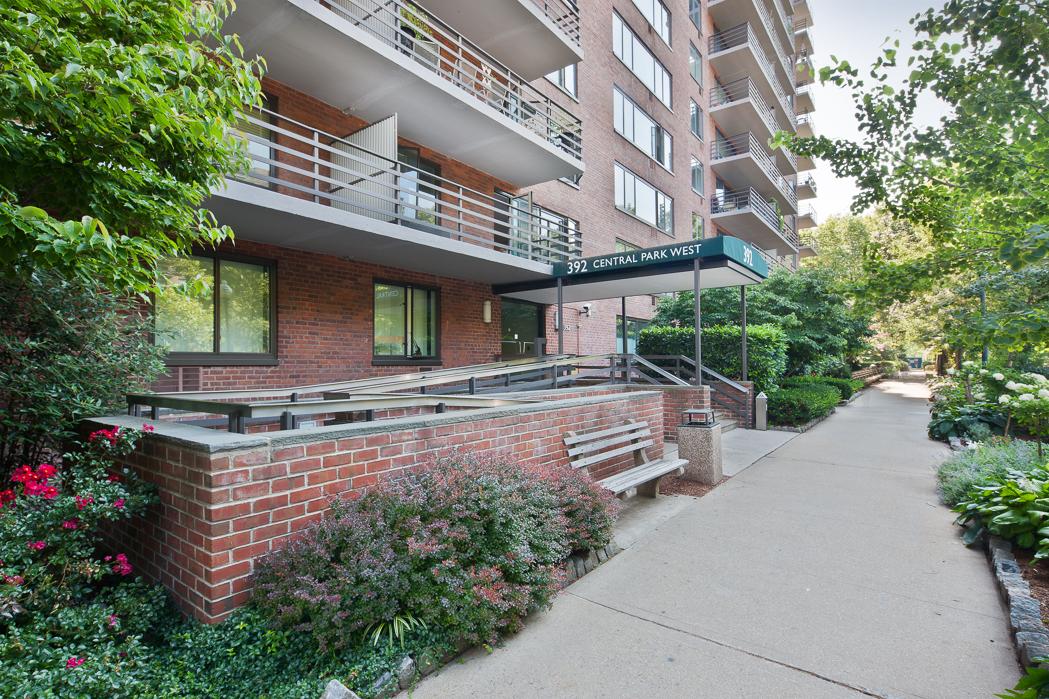
Skidmore, Owings & Merrill (SOM, founded 1936) is the dominant American modernist architecture firm of the postwar era — best known commercially for Lever House (1952), the Willis Tower (1973), a preliminary Lower Manhattan plan proposing a World Trade Center, and One World Trade Center (2014). The firm's Manhattan residential portfolio is more selective: Manhattan House (1950, designed with Mayer & Whittlesey in a collaboration that effectively defined the modernist white-brick apartment block as a residential type) and 392 Central Park West (within the Park West Village complex). SOM's residential program represents the modernist apartment ideal — open floor plates, expanded glazing, simplified service infrastructure — distinct from the pre-war classical vocabulary that dominates most of Manhattan's tier-one inventory. Manhattan House, designated a NYC landmark in 2007, remains the firm's most influential residential commission.
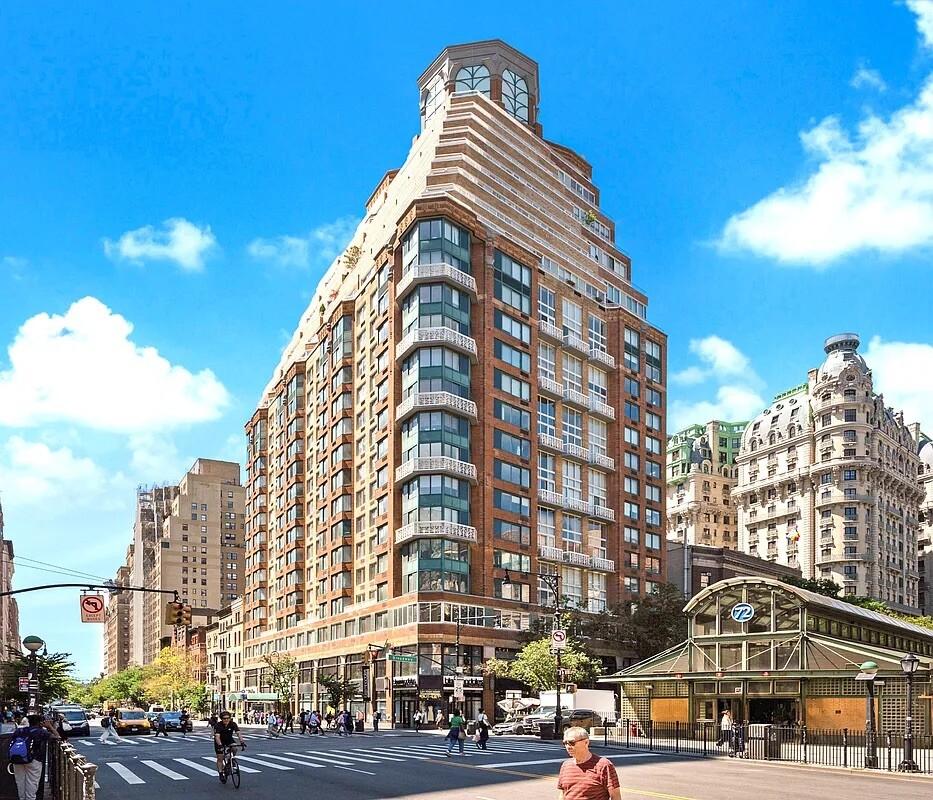
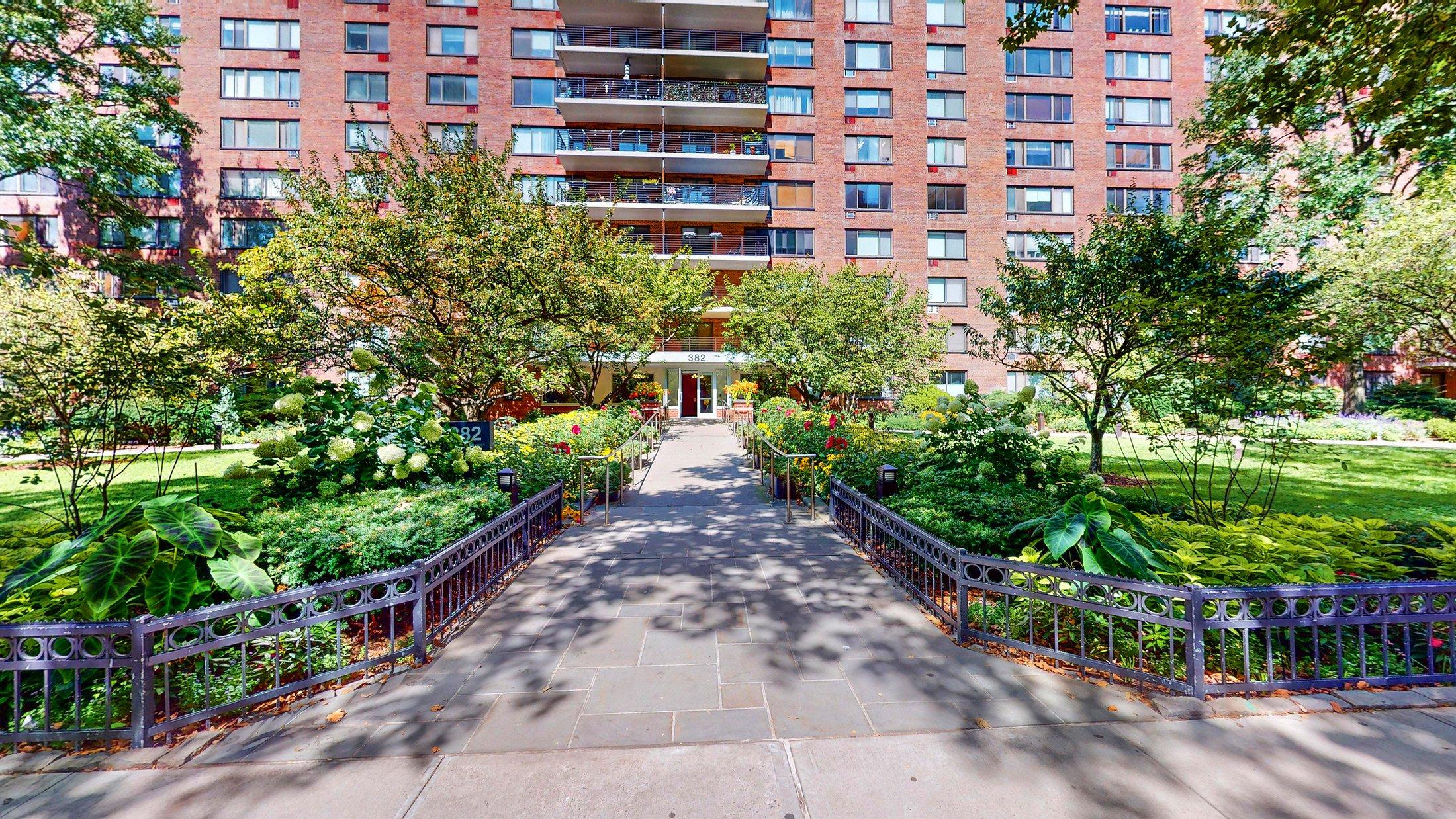
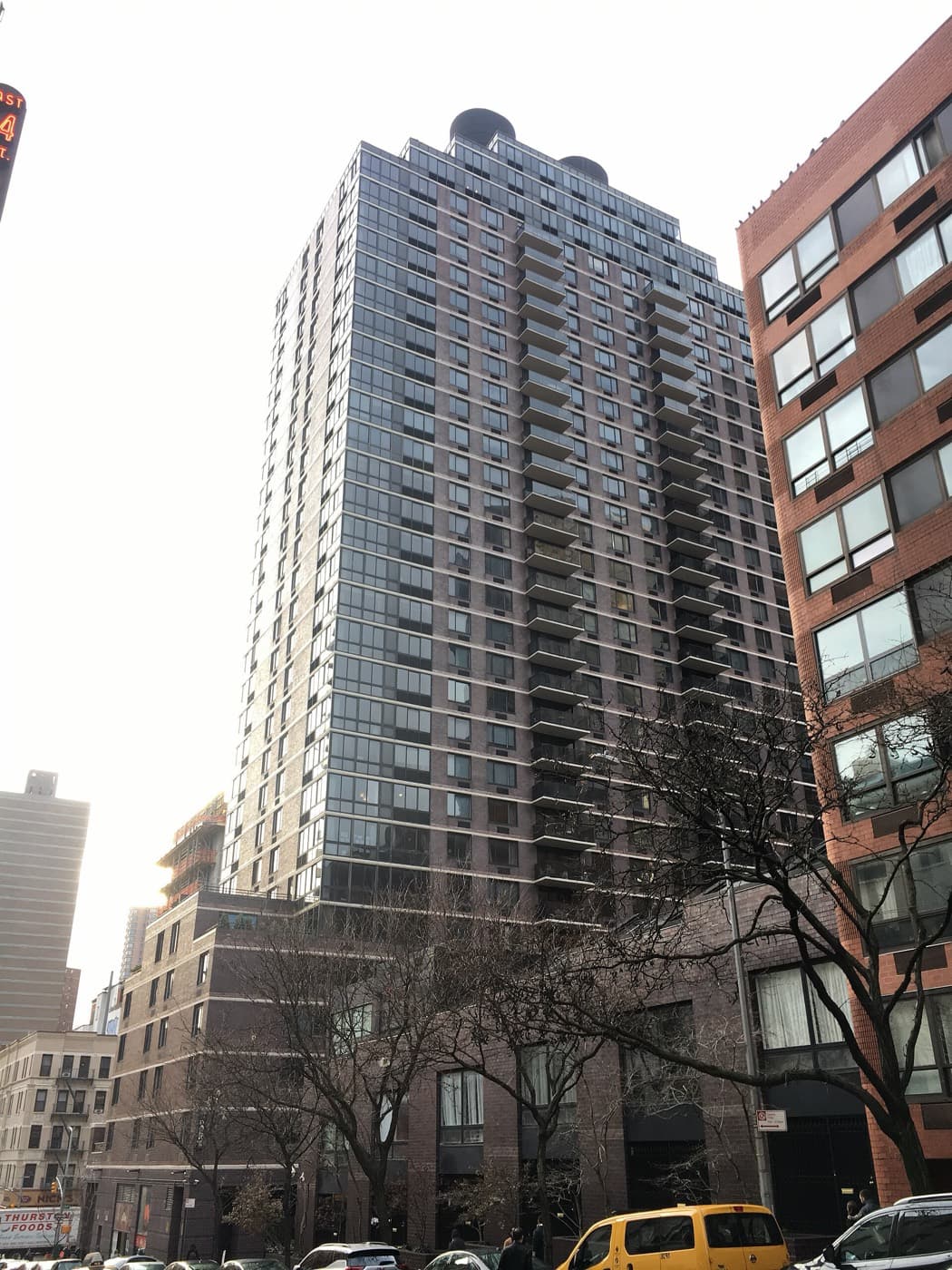
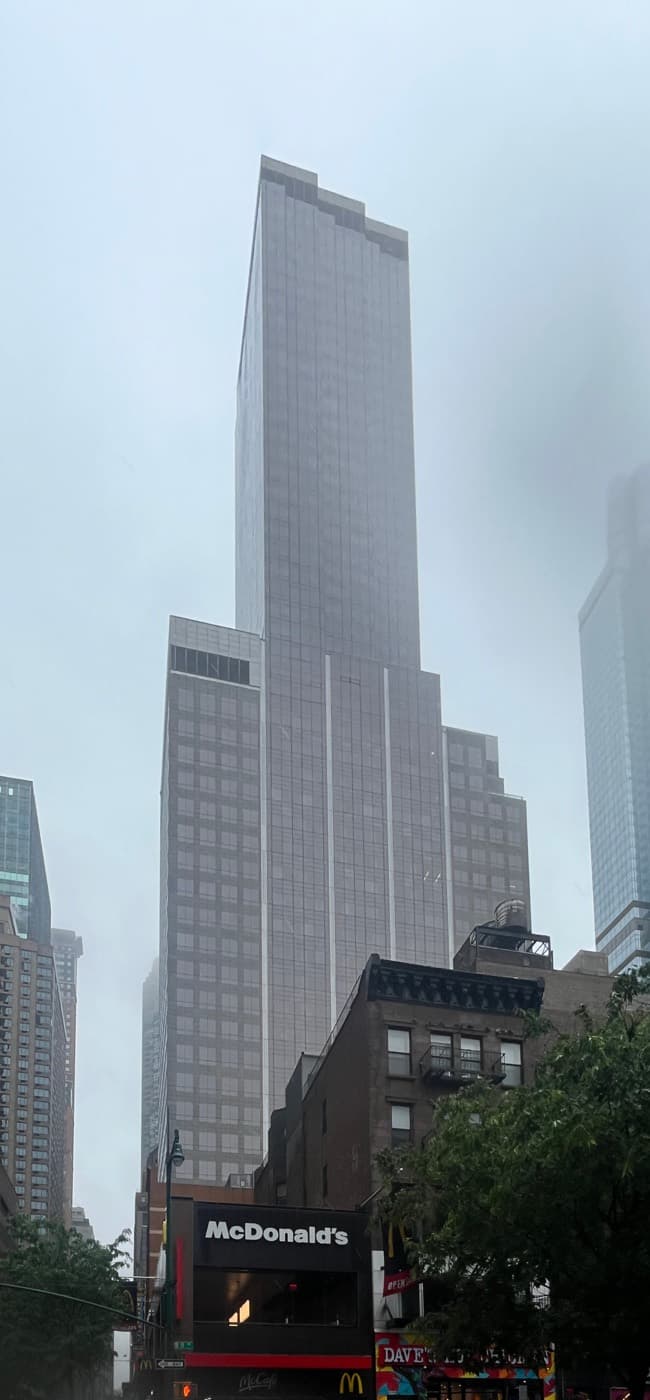
Buildings designed by Skidmore, Owings & Merrill



The drawings are public. The rest isn't.
How these buildings have actually traded, which lines deliver what the plans promise, and how each board handles financing and approvals.
646.939.7375 · c.cohen@compass.com