Carnegie Hill
Carnegie Hill runs from 86th to 96th Street between Fifth and Park, built out almost entirely between 1915 and 1930 and largely landmark-protected since. Its buyers are specific: families organizing a decade around the private schools and Museum Mile institutions within walking distance. The apartments are the largest of any neighborhood we track — a median of six rooms against four across Manhattan — so monthly charges run highest on the Upper East Side while sitting below the Manhattan average per square foot. Underwrite maintenance early; pre-war operating costs have outpaced pricing.
What the index shows for Carnegie Hill
Median condominium price per square foot and cooperative price per room, with the change over the past year and since 2022 and 2016. Condos are measured by the foot, co-ops by the room.
Medians of recorded, index-eligible sales, measured to the last complete year — each figure carries the mix of what happened to trade, not the like-for-like change of a single apartment. The count beside each change is the sample backing that comparison, which is smaller than the scope’s all-time total. Compiled by The Roebling Team at Compass from public records. Figures are indicative, not an appraisal.
How Carnegie Hill clears
What closings across Carnegie Hill look like at the table, shown against the Manhattan baseline so each figure reads as a comparison.
- Typical closing vs asking price
- −3.7%
- Share selling above ask
- 14%
- Monthly charges
- $4,354
- Median rooms
- 6.0
At a glance
Where it is: The Upper East Side from 86th to 96th Street, Fifth Avenue to Park, with Central Park closing the western edge — Lenox Hill below, Yorkville east, Upper Carnegie Hill above 96th Share of recorded sales: cooperative 72 percent · condominium 22 percent · townhouse 3 percent · condop 3 percent Market character: 93.7 percent arm's-length across 8,249 recorded sales, with sponsor-flagged activity at 2.1 percent — a resale market with almost no development running underneath it Defining control: the Carnegie Hill Historic District, designated July 23, 1974 and expanded December 21, 1993 to roughly 400 buildings, plus the Special Madison Avenue Preservation District created by the City Planning Commission in 1973 Transit: 4, 5 and 6 at 86th Street and 6 at 96th Street on Lexington; M86 and M96 crosstown Watch for: the maintenance line. The apartments are the largest we track and the buildings are prewar and largely landmarked, so carrying cost rather than asking price is where a purchase here goes wrong
Daily life and getting around
The hill is real: the land rises north of 86th Street toward the low 90s, and the walk up Madison does more work on your legs than anywhere else on the Upper East Side. Fifth Avenue is a continuous wall of prewar limestone and brick facing the Reservoir, which occupies the neighborhood's entire park frontage between 86th and 96th. Madison runs low — four and five stories of storefront and awning, no towers. The side streets between Madison and Park are the quietest blocks, and many of their row houses and mansions are institutions rather than residences: the Convent of the Sacred Heart in the Otto Kahn house at 1 East 91st Street, The Spence School at 22 East 91st Street, Nightingale-Bamford at 20 East 92nd Street, The Dalton School at 108 East 89th Street, Hunter College High School at 71 East 94th Street. Park Avenue is the second canyon, brick and limestone with the planted median. East of Park the register changes to tenement-scale walk-ups, wider storefronts and a line of 1980s towers that would not be permitted on the avenues west of it — and the name is used loosely enough at that edge that a substantial share of the volume we track under Carnegie Hill sits there, toward Lexington and Third.
Museum Mile is the defining amenity. The Cooper Hewitt, Smithsonian Design Museum occupies the Andrew Carnegie mansion at 2 East 91st Street, built 1899–1902 to designs by Babb, Cook & Willard and landmarked in 1974. Frank Lloyd Wright's Solomon R. Guggenheim Museum at 1071 Fifth Avenue opened on October 21, 1959 and became an individual landmark in 1990. The Jewish Museum has held the Warburg mansion at 1109 Fifth Avenue since 1947, the Neue Galerie the William Starr Miller house at Fifth and 86th since 2001, and 92NY sits at 1395 Lexington Avenue.
Madison runs specialty retail and galleries under a zoning regime that requires them; 86th Street is the crosstown commercial spine and the busiest street here by a wide margin; Lexington and Third carry groceries and everyday trade. Central Park is a block from most of the neighborhood, with the Engineers' Gate at Fifth and 90th and the Reservoir track the two things residents use daily. Transit is adequate rather than strong: the Lexington Avenue line stops at 86th Street, an express station, and at 96th, which is not; there is no crosstown train; the Second Avenue Q at 86th is a long walk from anywhere west of Lexington, and the M86 and M96 buses do the work a subway does not.
Why Carnegie Hill trades the way it does
The structural fact is supply, and there is none. Roughly 400 buildings sit inside the historic district, Madison Avenue frontage is separately controlled, and the sale record we hold runs to 385 distinct addresses across three decades. A market that cannot add buildings cannot reprice through new product; it reprices one apartment at a time, at 93.7 percent arm's-length with sponsor-flagged activity at 2.1 percent. Essentially every price here was set by one household selling to another and, in nearly three cases out of four, by a board deciding the buyer was acceptable.
That gives the sale record unusual evidentiary weight and unusual slowness. The binding constraint is approval rather than demand, and a deal that cannot clear a board is not a sale at any price.
The second fact is the one to underwrite. Between 2016 and 2025 the cooperative series gained 5.9 percent nominally and gave back 21.1 percent in real terms; the condominium series fell 6.6 percent nominally and 30.4 percent real. Nine years of flat-to-negative nominal pricing sits underneath prewar, landmarked, heavily staffed buildings whose operating costs have not been flat. Underwrite the monthly charge and the capital plan first, the purchase price second. In this neighborhood that is the correct order.
The stock
Three products, and the one that defines the neighborhood is the one that trades least.
The prewar cooperatives on Fifth and Park are the architectural argument. The Landmarks Preservation Commission's designation report puts roughly two dozen apartment houses on these two avenues in the 1920s, and they are what the neighborhood is known for — 1107 Fifth Avenue, 1120 Fifth Avenue, 1088 Park Avenue, and 1185 Park Avenue, a Schwartz & Gross building of 1928–29 taking a full blockfront around a landscaped courtyard with six separate lobbies. They are small buildings, they turn over rarely, and their board terms are the most restrictive on the map: financing capped well below what a condominium buyer assumes, primary-residence expectations, sublet policies that function as prohibitions.
The row houses and mansions on the side streets are the 3 percent townhouse share, and much of that fabric is now institutional — schools, consulates and museums in buildings that were single-family houses. What remains in private hands is thin enough that it should not be priced from neighborhood medians.
The later towers are where the trading is, and the condominium tier — 22 percent of the record — sits almost entirely among them, mostly on the side streets east of Madison. Our five most-traded addresses are 170 East 87th Street, the Gotham, between Lexington and Third; 120 East 87th Street, Park Avenue Court; 45 East 89th Street, a large cooperative tower; 181 East 90th Street, the Metropolitan; and 40 East 94th Street, Carnegie Hill Tower, a 32-story condominium of 1983. None is a Fifth Avenue prewar co-op. A buyer who has read about Carnegie Hill and a buyer who has shopped it are describing different inventories, and the most common pricing error here is comping across that seam.
Price the cooperative stock per room with the board terms attached, the condominium stock per square foot. Carrying a per-square-foot figure across the tenure line misleads in both directions, and prewar square footage is usually an estimate rather than a measurement.
The historic district, and what it locked in
The Landmarks Preservation Commission designated the original Carnegie Hill Historic District on July 23, 1974 — a modest designation covering two noncontiguous areas between Fifth and Park Avenues, roughly between East 90th and East 95th Streets. After a public hearing on March 12, 1991, the Commission designated the Expanded Carnegie Hill Historic District on December 21, 1993: Fifth Avenue from 86th Street, just north of the Metropolitan Museum Historic District, to 98th Street, and eastward to Madison, reaching Lexington on some blocks. Together the two cover some 400 buildings, the 1974 district sitting entirely inside the 1993 boundaries.
The zoning did work the designation did not. In 1973 the City Planning Commission created the Special Madison Avenue Preservation District, extending 100 feet either side of Madison and requiring new buildings there to be lower and bulkier with ground-floor retail. That is why Madison still reads at four and five stories while nothing prevents a tower two blocks east.
These are operating facts rather than plaques. Inside the district, exterior work — windows, storefronts, façade repair, anything visible from the street — requires a Certificate of Appropriateness, and a façade cycle at a 1920s co-op is a materially different assessment than the same work at a 1980s tower. Coverage east of Madison is block-by-block; check the specific lot against the LPC designation map.
Where the controls stop: 180 East 88th Street
The clearest demonstration of what the district does not reach is 180 East 88th Street. The developer carved a ten-foot-deep unbuildable strip along the 88th Street frontage so the site could be treated as having no frontage there at all, removing it from the tower-on-base requirements that would otherwise have applied; sixteen-foot residential floor-to-floor heights and a 34-foot mechanical void added the rest. The Department of Buildings approved the subdivision and plans in 2016 and 2017.
The challenge failed at every level. An Article 78 proceeding brought on January 26, 2018 by Friends of the Upper East Side Historic Districts, Carnegie Hill Neighbors, State Senator Liz Krueger and Council Member Ben Kallos was decided for the developer on March 5, 2018. The Board of Standards and Appeals heard the appeal on July 17 and October 30, 2018 and denied it 4–1 on December 11, acknowledging a deficiency in the text of the Zoning Resolution while finding the Department had acted reasonably. The building stands at 31 stories and 469 feet to the roof, with 48 apartments.
The lesson is about light and views. West of the district line the streetscape is protected and the height envelope is knowable. East of it, a low-rise block stays low-rise only until someone assembles a site. Before paying a premium for an exposure on the eastern blocks, look at the as-of-right envelope on the adjoining lots rather than at what stands today.
What to know if you're buying here
Underwrite the monthly charge before the price. Nine years of flat nominal pricing against prewar operating costs is the central financial fact here. Ask for three years of financial statements, the assessment history, the terms and maturity of the underlying mortgage, and the completed and scheduled façade and window work. A deferred capital cycle behind a comfortable maintenance figure is the trap this neighborhood sets.
Underwrite the board before the apartment. At 72 percent cooperative and 93.7 percent arm's-length, approval is the binding constraint. Get the financing cap, post-closing liquidity standard, debt-to-income expectation, flip tax and sublet policy in writing from the managing agent before you make an offer. A building capping financing at 50 percent has quietly repriced itself for you.
Establish which side of the landmark line the building sits on. Inside the district, exterior work runs through a Certificate of Appropriateness and carries the schedule and cost that come with it. Outside it, the building is cheaper to maintain and the neighboring development rights are unconstrained. Both facts are worth money, in opposite directions.
Treat the condominium series as the thinner one. Condominium is 22 percent of the record and 54 sales in 2025 against 206 on the cooperative side, and it has fallen further in real terms since 2016. If condominium ownership is a requirement — a pied-à-terre, an entity purchase, financing flexibility a board will not grant — the choice set is a handful of 1980s towers plus one recent building, mostly east of Park.
The schools shape the buyer pool, not a zone. The concentration on these blocks is private and admissions-driven, and Hunter College High School admits by examination from all five boroughs. Proximity buys a shorter walk, not a place. Any public-school assignment is a Department of Education determination for the specific address, revised periodically, and should be confirmed with the DOE rather than taken from marketing.
What to know if you're selling here
Your comparable set is your line, not your building. Depth of record is not depth of comparables. In a prewar cooperative with combined apartments and varied exposures, the units that actually price yours may number in the single digits, and a buyer's agent will build that set from the line, floor and room count rather than from the address.
Bring the carrying-cost answer forward. Assessments, the façade cycle, the underlying mortgage and any Certificate of Appropriateness work in progress are the questions that re-trade deals here. A seller who can answer them on day one, with the financial statements and board minutes to hand, removes the most common cause of a renegotiation.
Price for the pool your board terms create. The apartments are large, the monthly charges correspondingly high, and a restrictive financing cap narrows the field before anyone walks through the door. Plan a longer marketing period rather than treating that as a pricing problem; treating it as the latter produces a chase down through three reductions.
Where it sits in the Index
Carnegie Hill publishes without a caveat — 8,249 recorded sales across 385 addresses back to 1995, 5,793 of them index-eligible — and both tenure series stand on their own rather than leaning on the parent market. Read it against Upper Carnegie Hill immediately north, where the sample is much smaller and 96th Street remains a real pricing boundary, and against Lenox Hill to the south, the deepest series we publish. The full read sits on The Roebling Index.
Run the numbers
Related guides
- Upper Carnegie Hill — A Buyer's Guide — the blocks above 96th, and the boundary that still prices
- Yorkville — A Buyer's Guide — the market to the east, and the most common mis-comp
- Manhattan Apartment Buying Guide — Pillar 2
- NYC Real Estate Tax & Closing Cost Guide
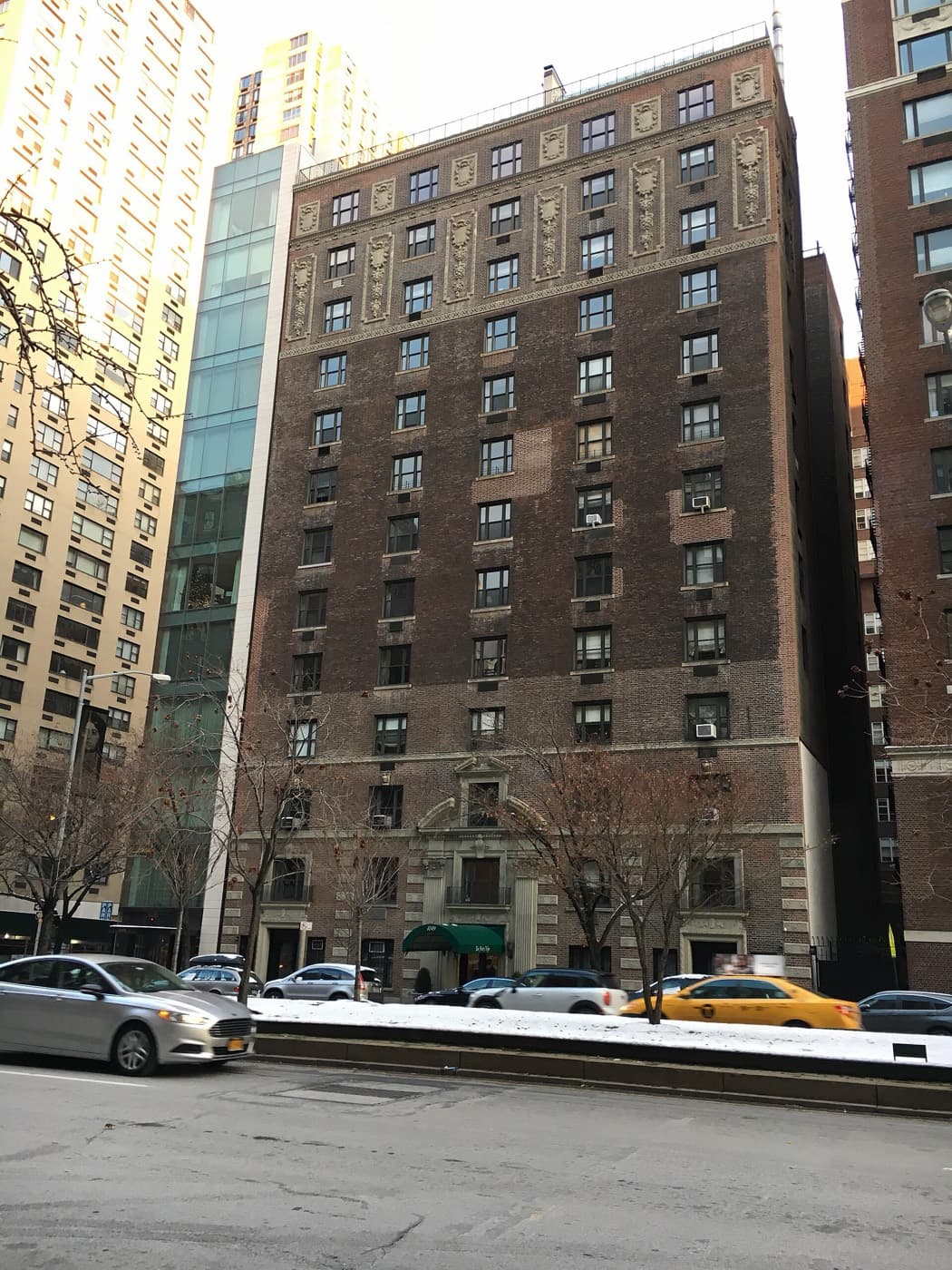
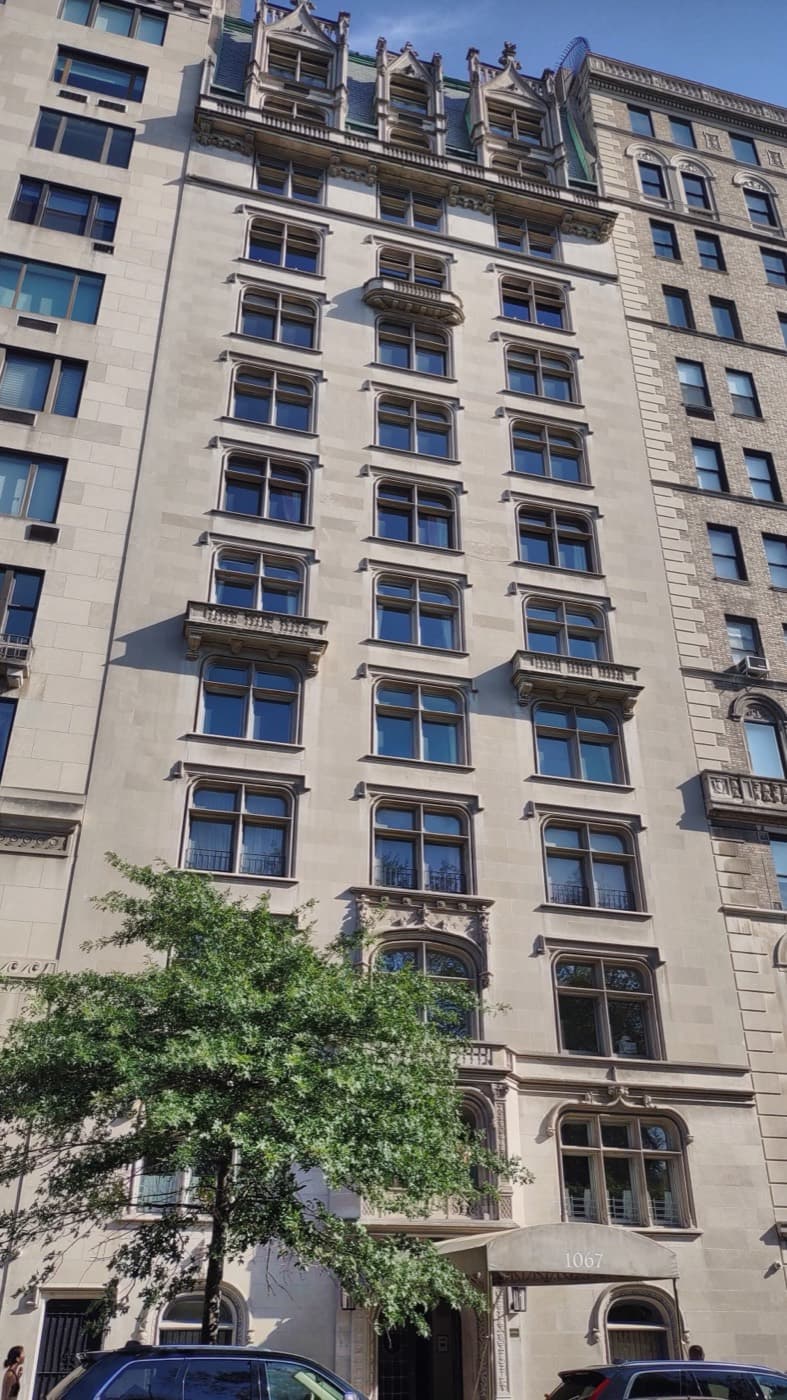
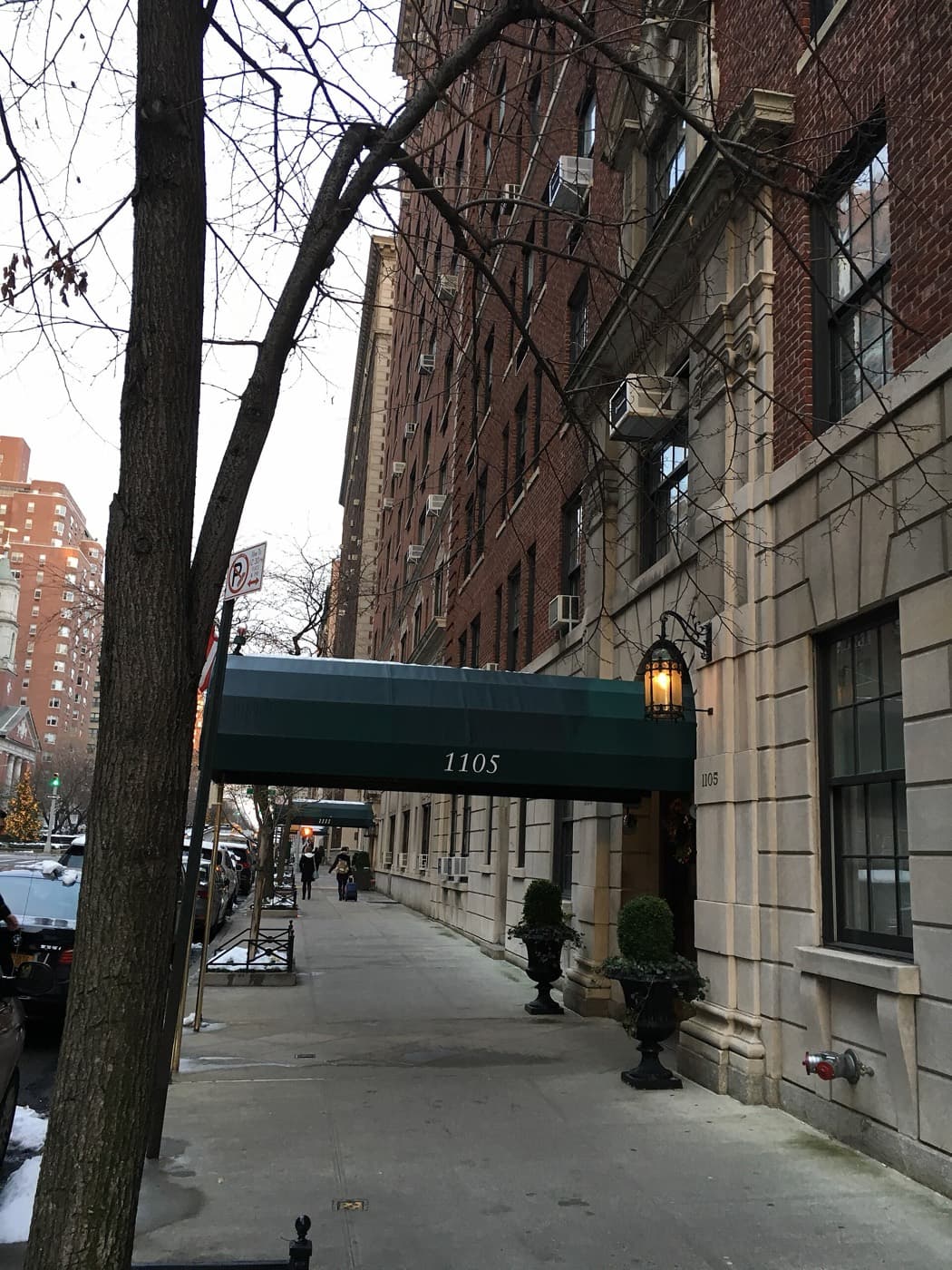
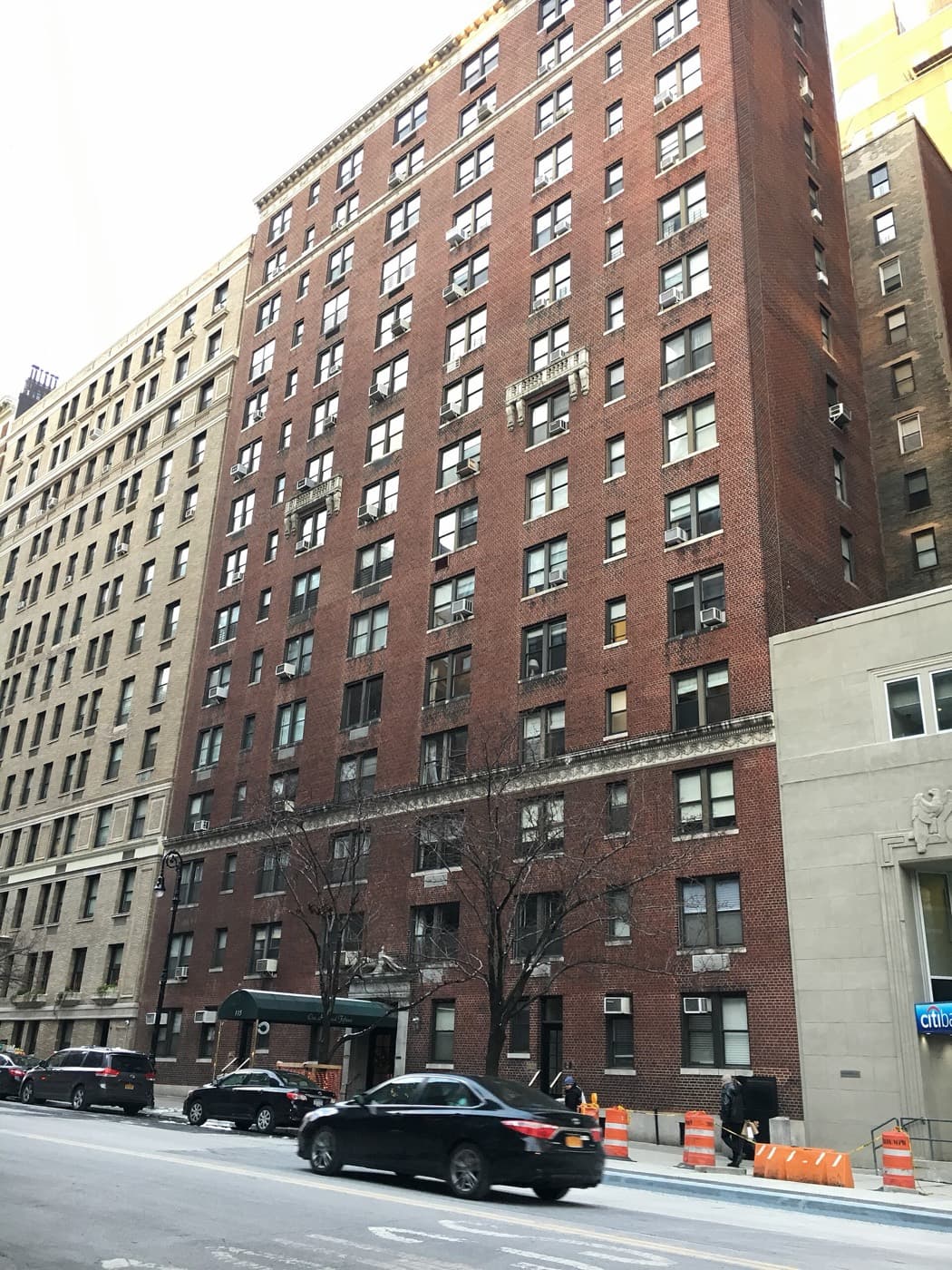
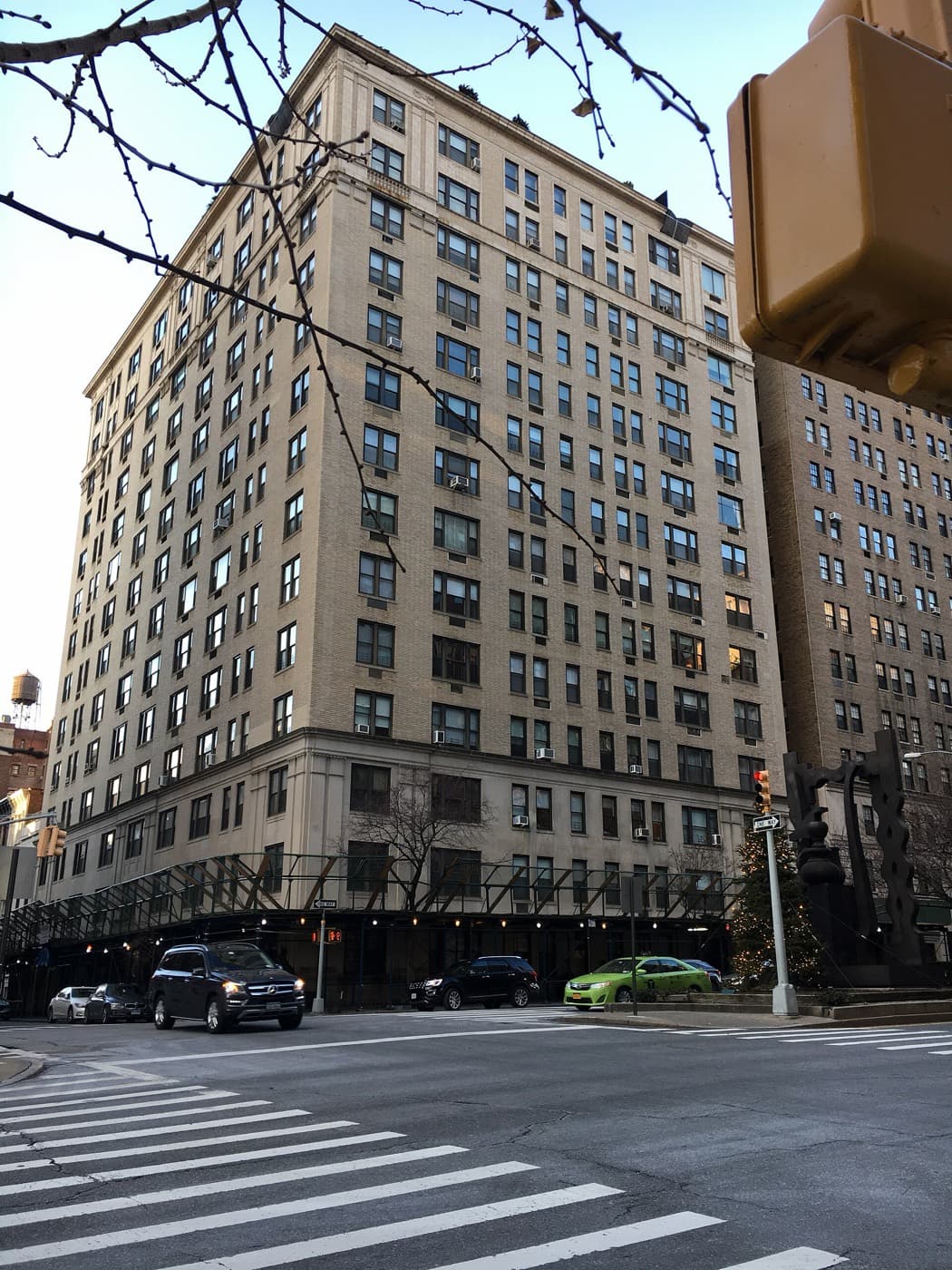
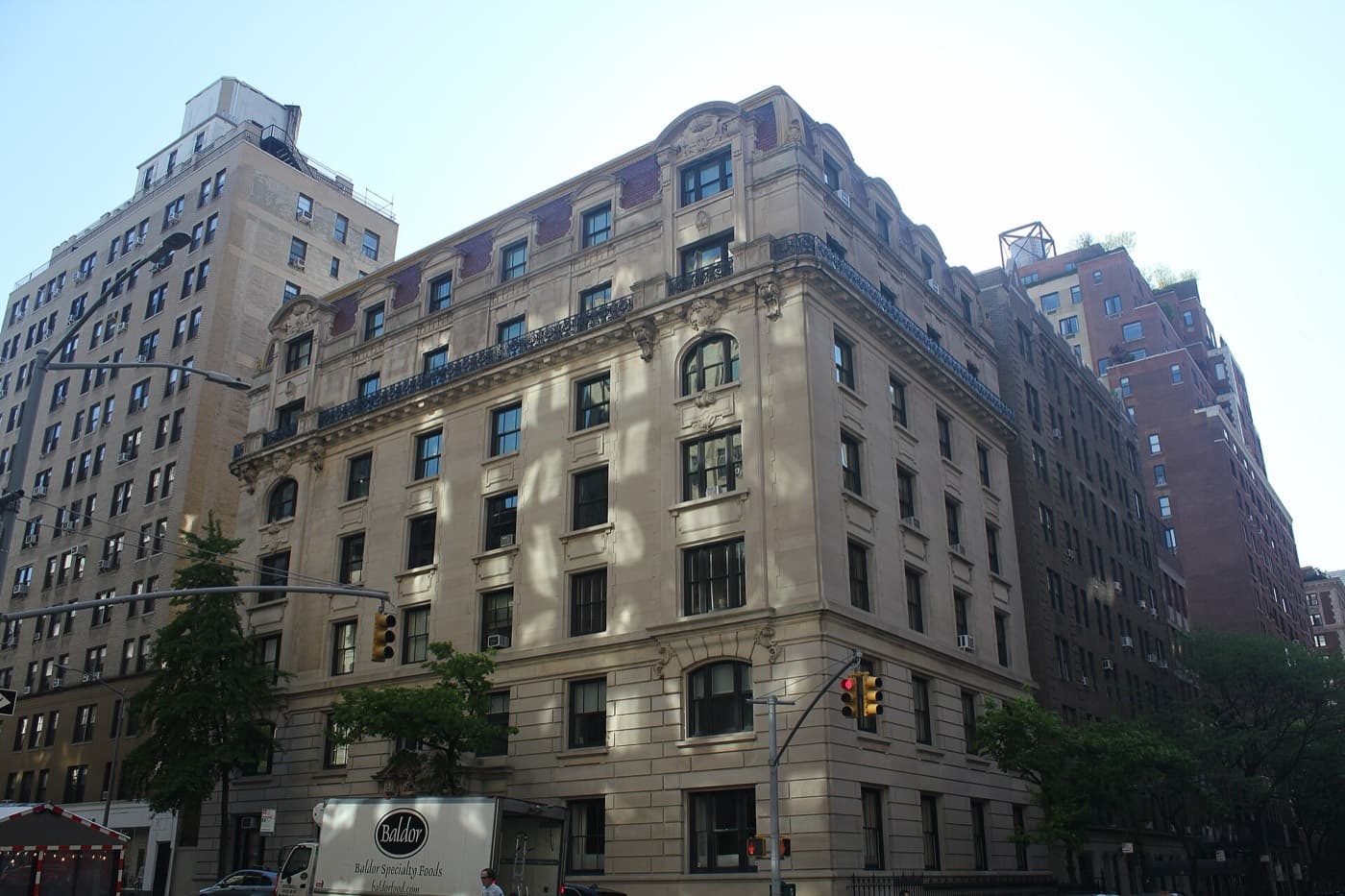
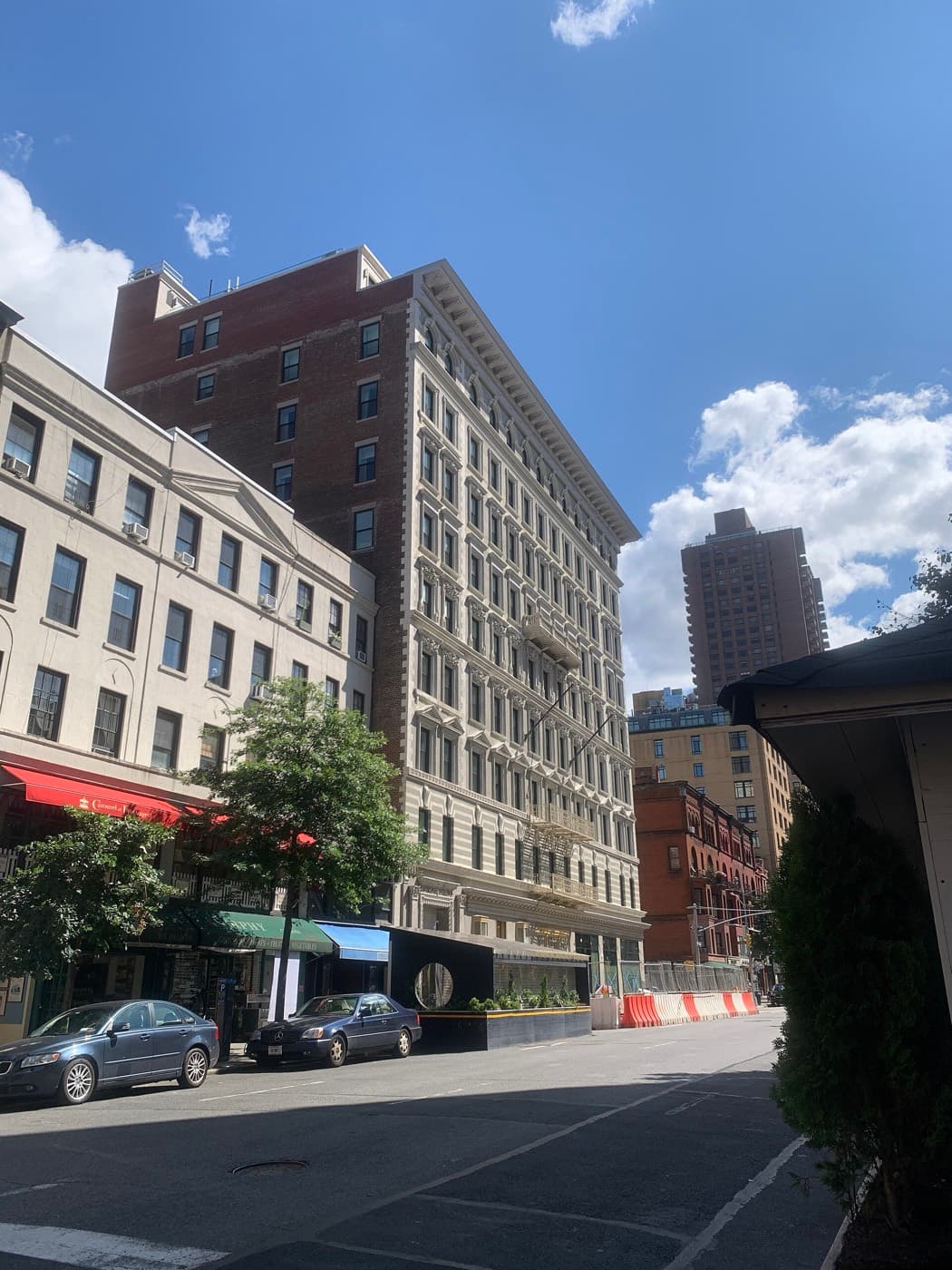
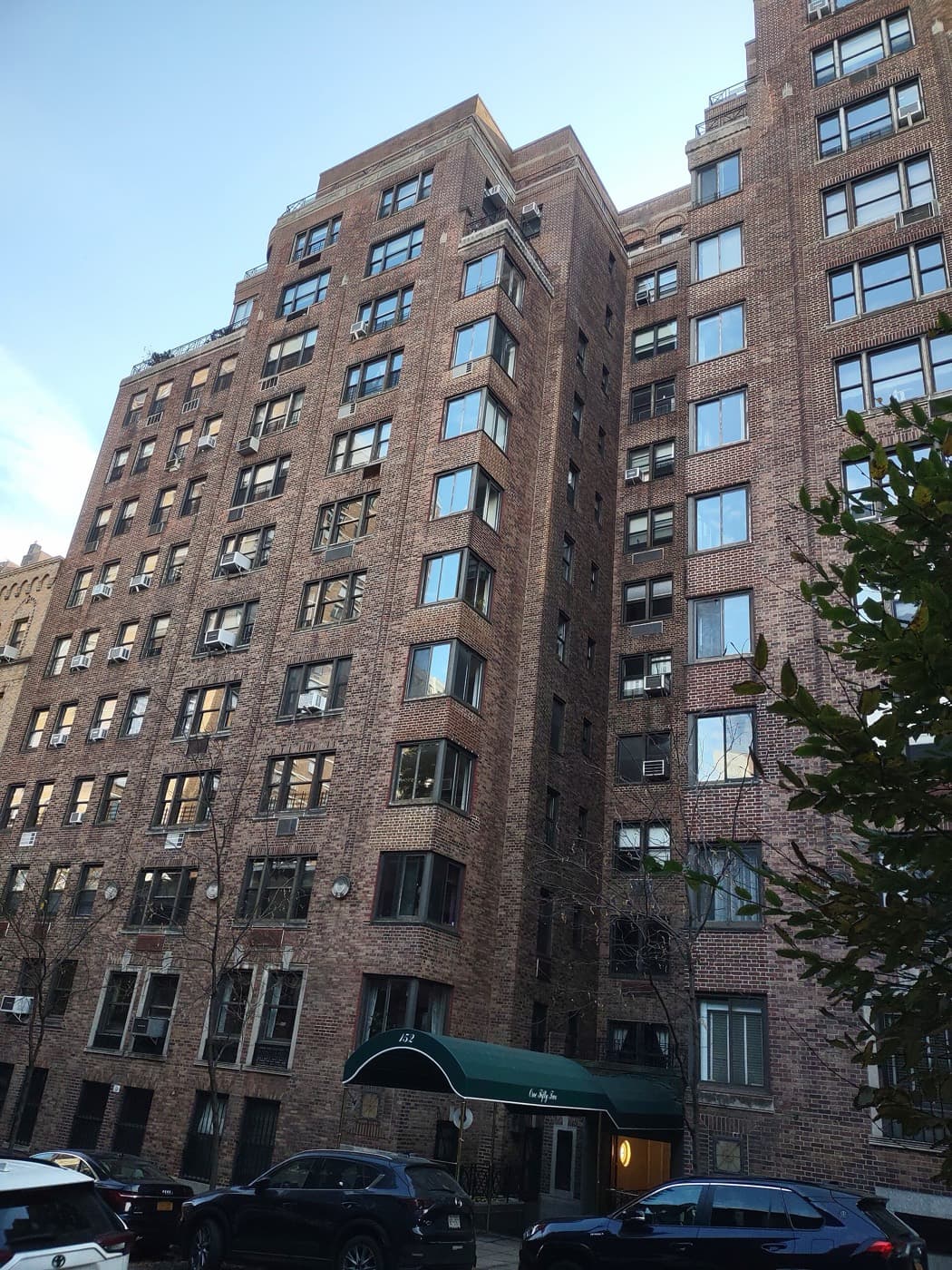
Buildings in Carnegie Hill












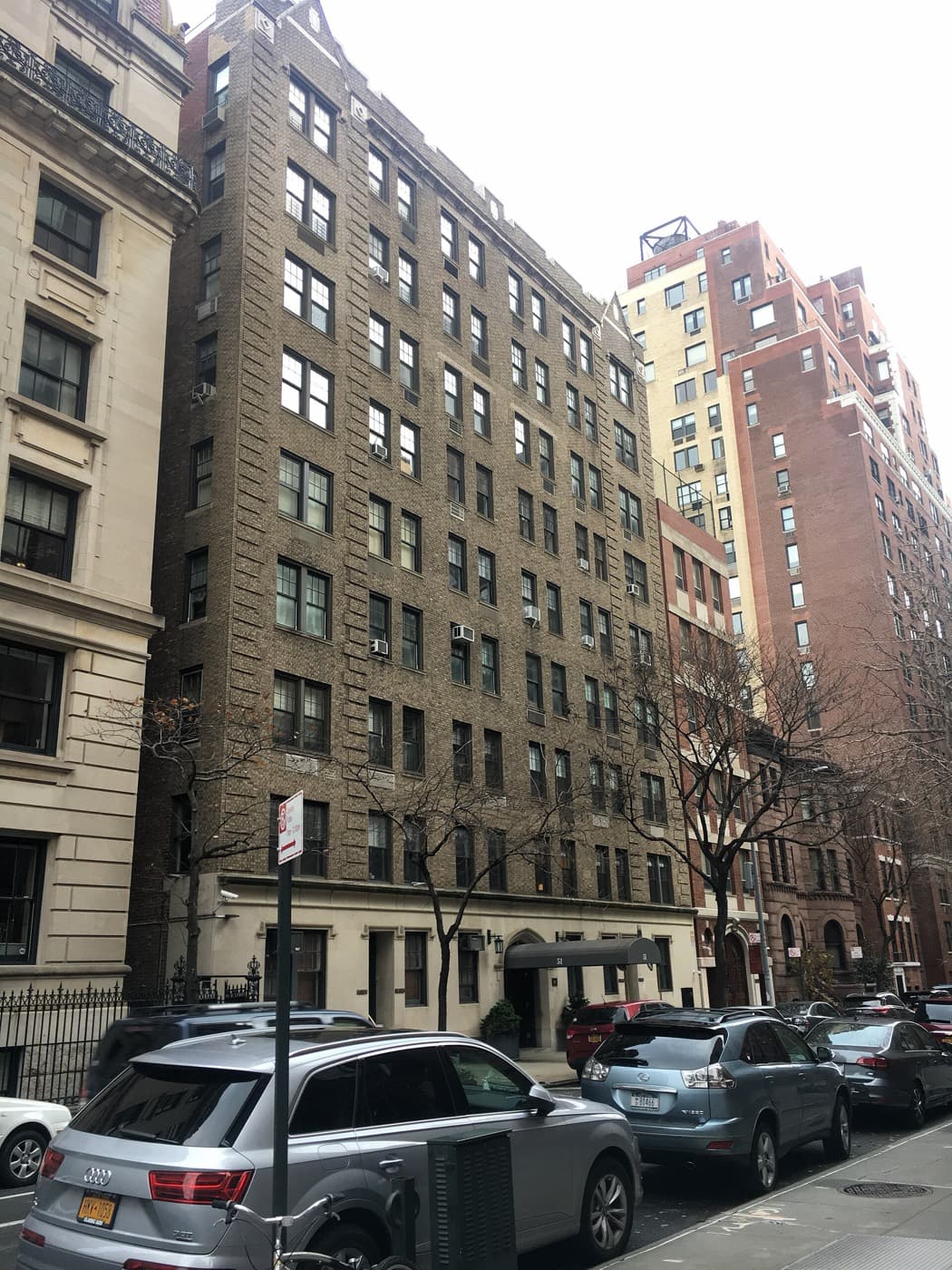
Get the neighborhood read on your building.
See how your apartment compares with the rest of Carnegie Hill, or get a market update tuned to this neighborhood — sent to you directly.