Lenox Hill
Lenox Hill occupies the blocks between roughly 60th and 77th Streets and holds the densest concentration of tier-one pre-war cooperative architecture in the city along its Park and Fifth Avenue frontages. Madison Avenue's retail and gallery corridor runs through its middle. Across the buildings we track here, apartments run larger than the Manhattan median and monthly charges run well above it. Co-op boards have tightened liquidity and debt-to-income expectations since the pandemic, and that approval standard is the real gate on this inventory.
What the index shows for Lenox Hill
Median condominium price per square foot and cooperative price per room, with the change over the past year and since 2022 and 2016. Condos are measured by the foot, co-ops by the room.
Medians of recorded, index-eligible sales, measured to the last complete year — each figure carries the mix of what happened to trade, not the like-for-like change of a single apartment. The count beside each change is the sample backing that comparison, which is smaller than the scope’s all-time total. Compiled by The Roebling Team at Compass from public records. Figures are indicative, not an appraisal.
How Lenox Hill clears
What closings across Lenox Hill look like at the table, shown against the Manhattan baseline so each figure reads as a comparison.
- Typical closing vs asking price
- −3.9%
- Share selling above ask
- 12%
- Monthly charges
- $3,268
- Median rooms
- 4.5
At a glance
Where it is: The Upper East Side between roughly 60th and 77th Streets, Fifth Avenue to the East River, with Carnegie Hill and Yorkville to the north Share of recorded sales: cooperative 65 percent · condominium 28 percent · condop 4 percent · townhouse 2 percent Market character: 91.7 percent arm's-length across 36,972 recorded sales, with sponsor-flagged activity at 1.7 percent — one of the deepest pure-resale records in the Index Defining control: the Upper East Side Historic District, designated 1981 and extended east in 2010, which covers the avenue frontages and a large share of the side streets but stops well short of the eastern tower belt Transit: 4, 5 and 6 at 59th, 68th and 77th on Lexington; F, N, R and W at Lexington–63rd; Q at 72nd Street and Second Avenue Watch for: the Third Avenue line. It separates landmarked, board-governed, financing-capped inventory from postwar and converted towers with none of those constraints, and the two halves do not comp against each other
Daily life and getting around
Lenox Hill is the stretch of the Upper East Side most people have in mind when they picture the Upper East Side. Park Avenue runs through it as a limestone-and-brick canyon with a planted median down the center, and the side streets between the avenues drop abruptly to townhouse scale — four and five stories of brownstone and neo-Georgian brick, with the occasional carriage house left from when these blocks kept horses. Central Park closes the western edge and the river the eastern, and the neighborhood changes character roughly every two avenues in between: formal at Fifth and Park, commercial through Madison and Lexington, busier and younger from Third out, and quiet again on the last blocks before the water.
Madison Avenue is the retail and gallery spine and draws from a catchment far wider than the neighborhood, which is a mixed blessing for the blocks immediately behind it. Lexington and Third carry the day-to-day trade — groceries, pharmacies, hardware, the restaurants people organize a week around. First, Second and York run more local, and the blocks toward the river read as quiet in a way the avenue frontages do not. Central Park is the western boundary; John Jay Park at 77th and Cherokee Place is the closer option for anyone east of Second.
The transit position is the strongest in the neighborhood's favor and has improved materially in living memory. The Lexington Avenue line runs express and local with stations at 59th, 68th–Hunter College and 77th. The F, N, R and W reach Lexington–63rd. Since the Second Avenue Subway opened on January 1, 2017, the Q has served 72nd Street at Second Avenue, which changed the commute for the eastern tower belt more than any other single event in the neighborhood's postwar history and is still, in our reading, under-priced into the blocks between Second and York.
Why Lenox Hill trades the way it does
The market here runs on a single fact, and the fact is 1.7 percent — the share of the recorded sale history carrying a sponsor flag. Across 36,972 transactions it means Lenox Hill has effectively no absorption cycle running beneath its pricing. Nothing is being sold out. There is no developer schedule setting the pace, no wave of first-sales to filter out of a comparable set. Every meaningful price in this neighborhood was set by one household selling to another and, in two out of three cases, by a board deciding the second household was acceptable.
That gives the sale record unusual evidentiary weight and makes it slow to move. Where a developer can reprice a whole line in a quarter, repricing here happens one apartment at a time, filtered through purchase applications. The constraint on velocity is not demand — it is approval, and a deal that cannot clear a board is not a sale at any price.
The other thing to understand early is that Lenox Hill is two inventories under one name, and the seam runs at Third Avenue. West of it sits the landmarked cooperative core the neighborhood is known for. East of it sits the postwar and converted tower belt carrying a disproportionate share of the trading volume — 200 East 66th Street at 690 recorded sales, 515 East 72nd Street at 531, 360 East 72nd Street at 431, 300 East 71st Street at 348. A buyer who has read about Lenox Hill and a buyer who has shopped it are frequently describing different markets, and almost every pricing error we see here comes from comping across that seam.
The stock
Three products, and the order in which they trade is nearly the reverse of the order in which they are discussed.
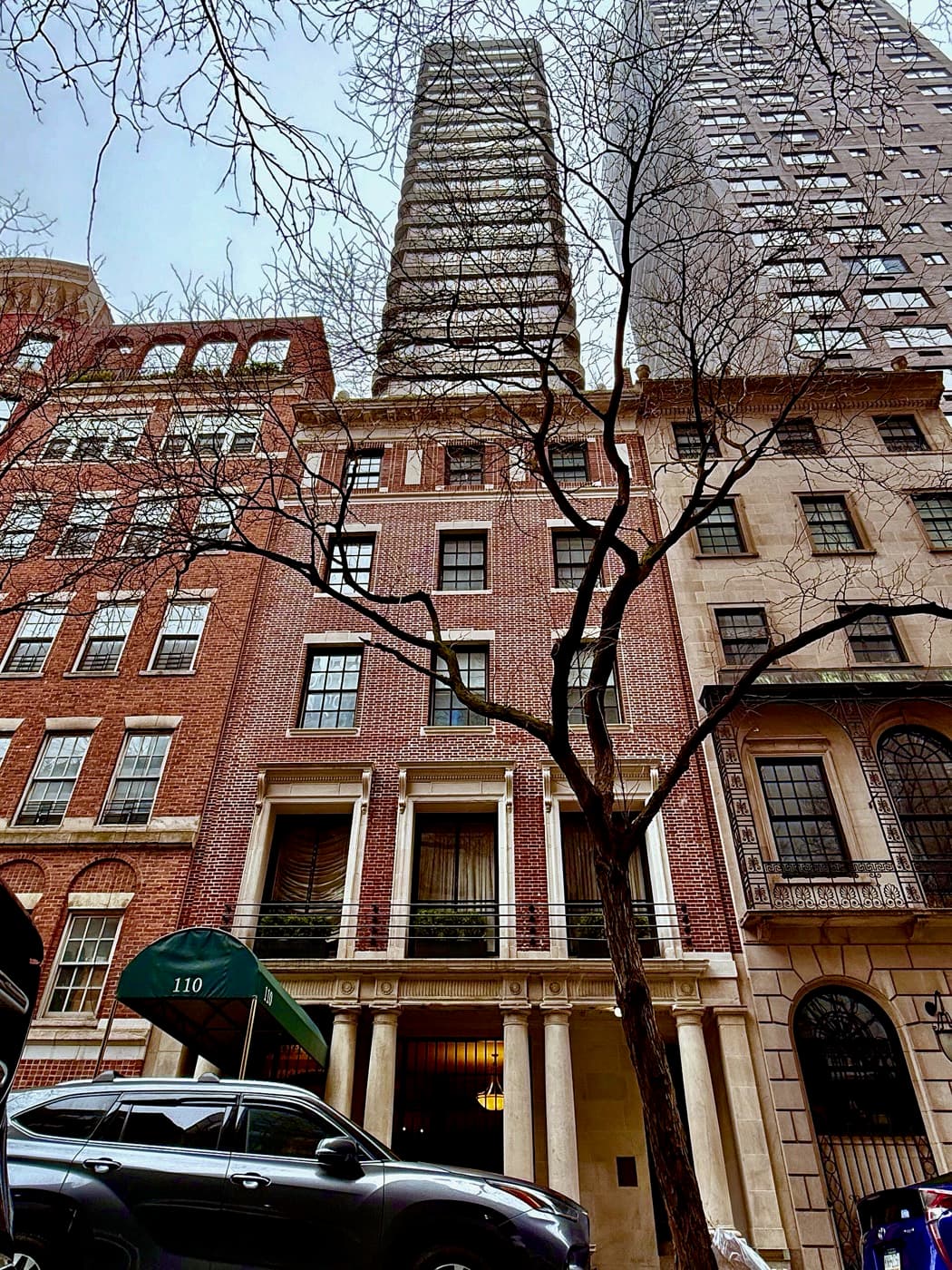
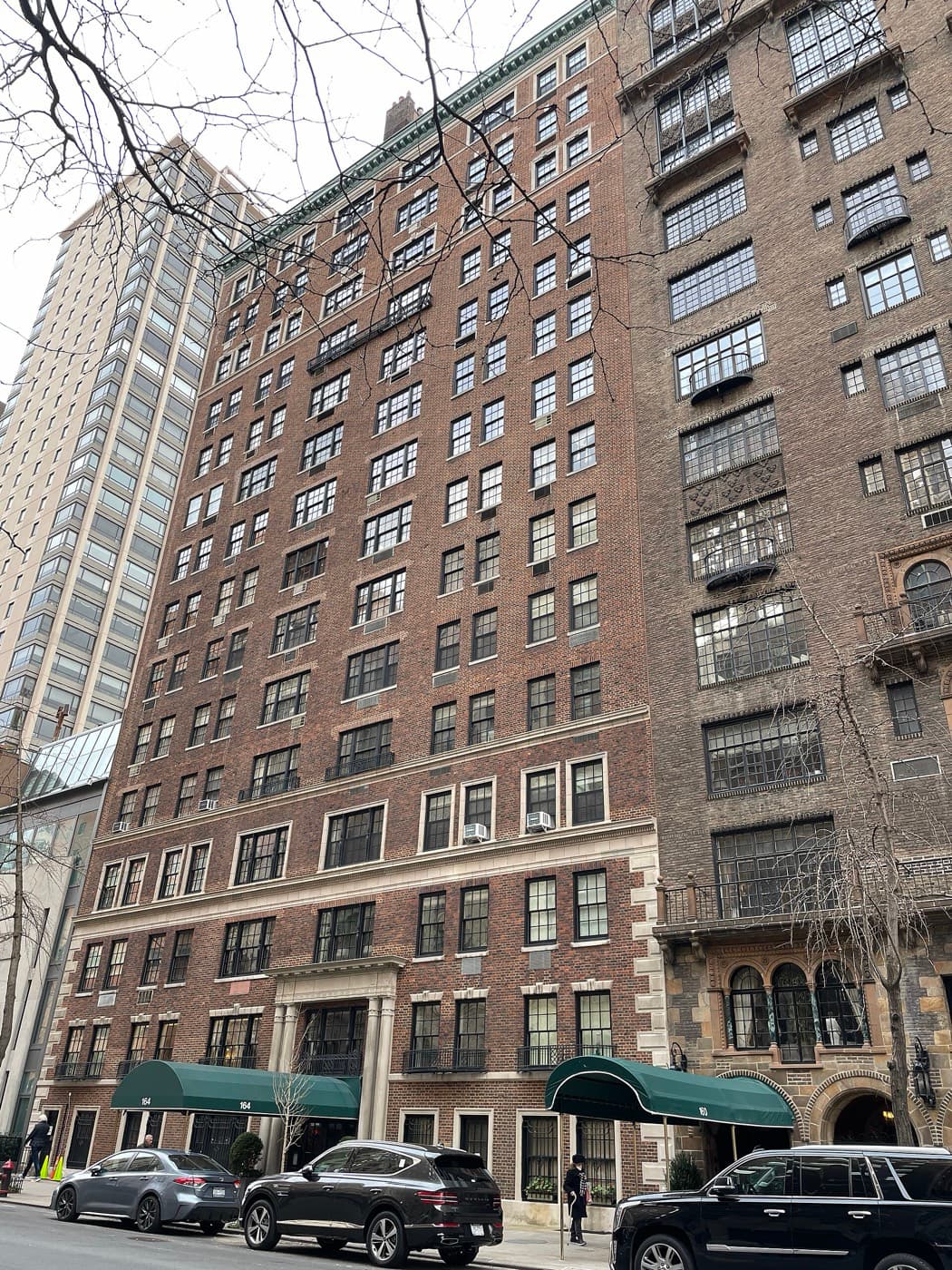
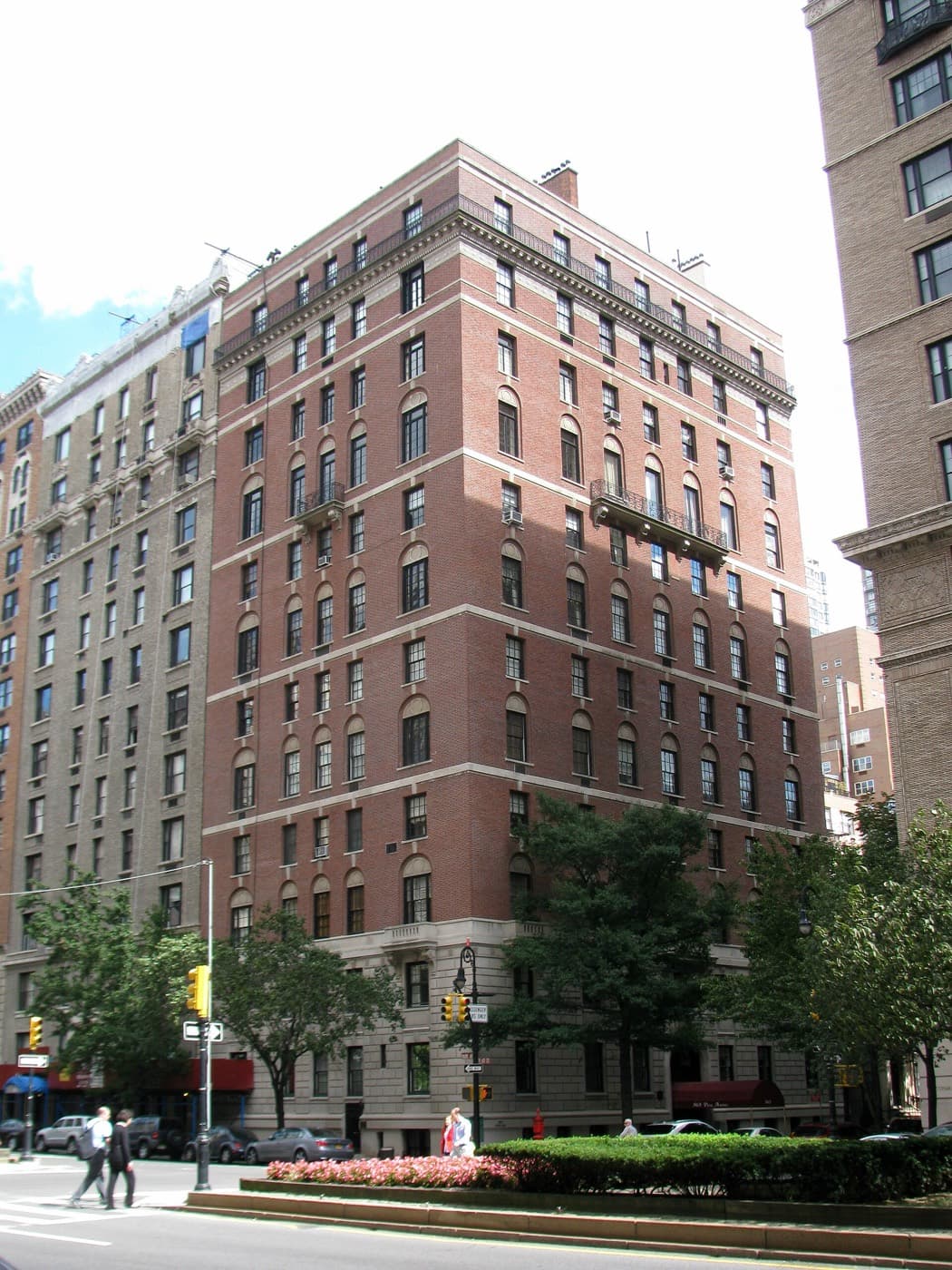
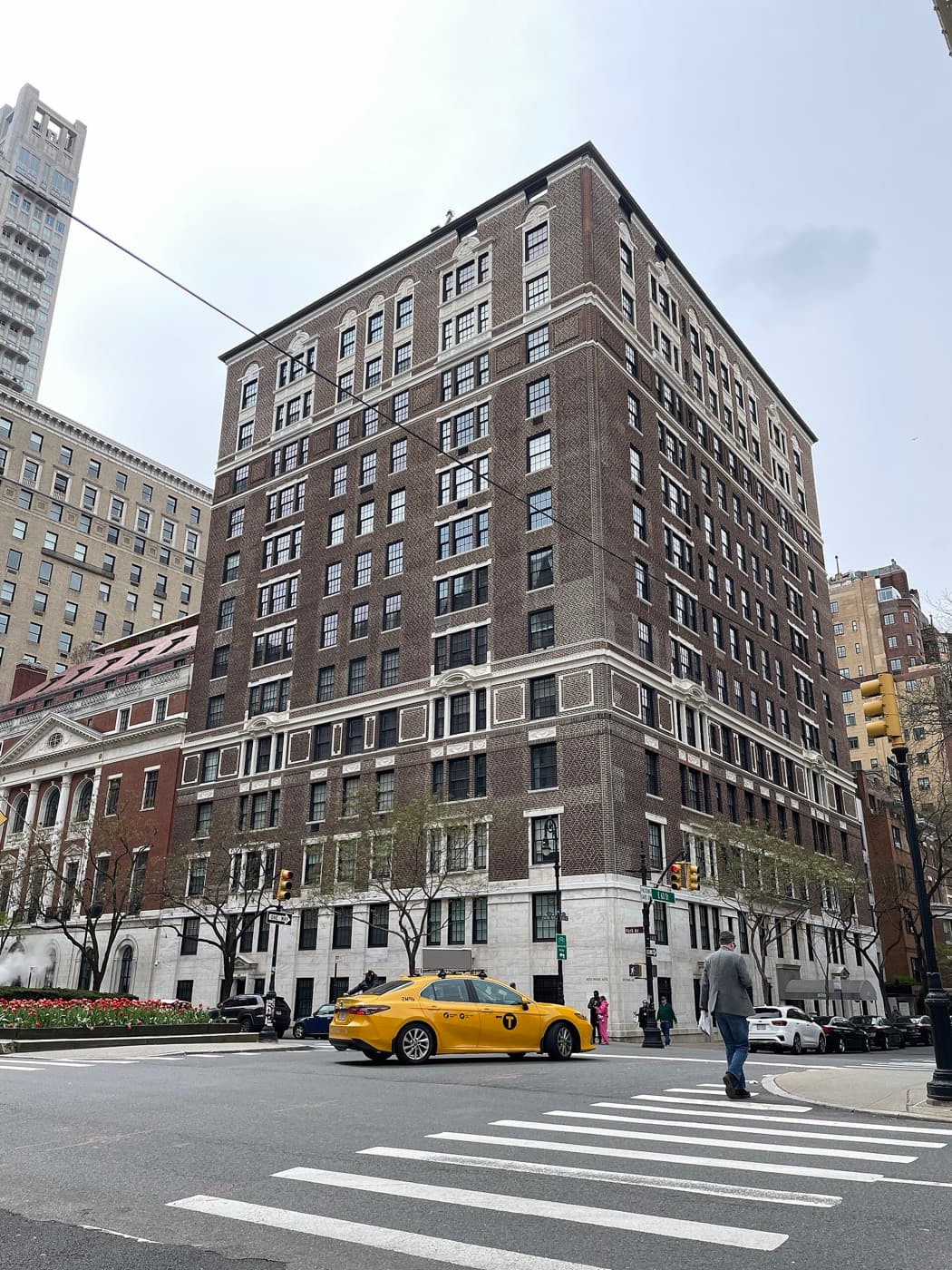
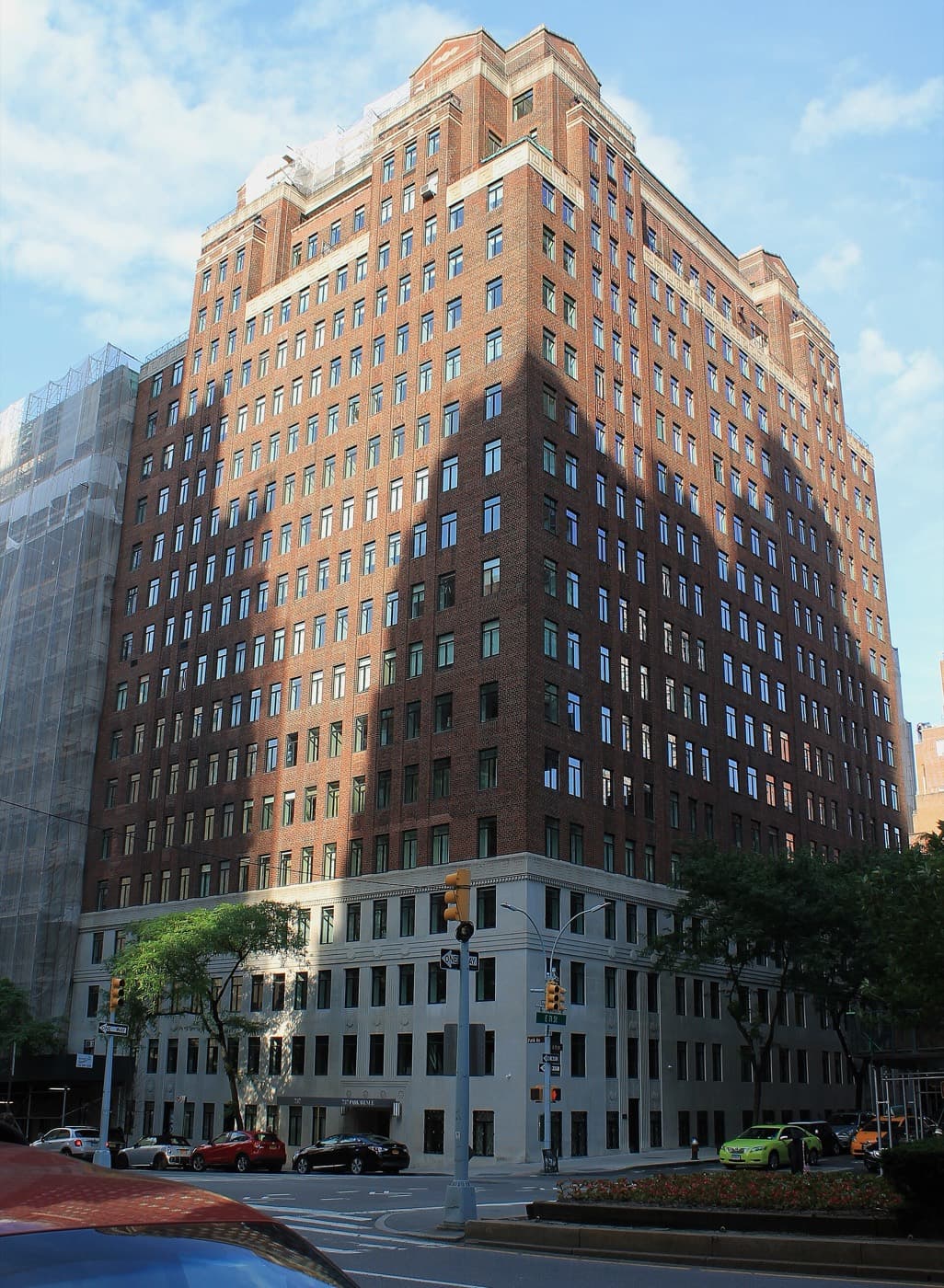
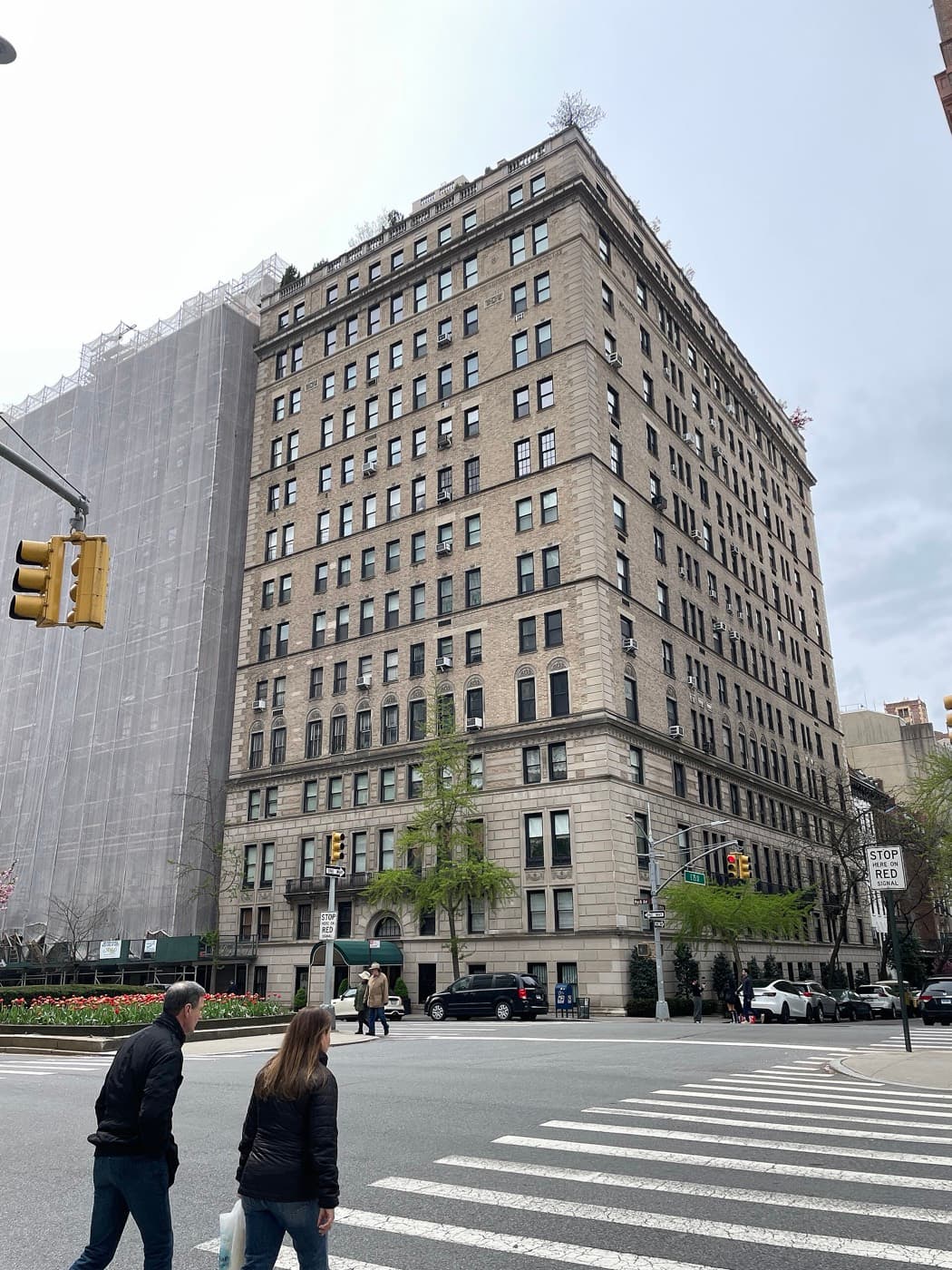
The prewar cooperatives on Fifth, Park and Madison and the streets between them are the architectural argument — limestone and brick, Candela and his contemporaries, room counts and ceiling heights that nothing built since has matched. 740 Park Avenue is the type specimen and the outer bound of the tradition. These buildings are small, they turn over rarely, and their board terms are the most restrictive in the neighborhood: financing frequently capped well below what a condominium buyer would assume, primary-residence expectations, and sublet policies that are effectively prohibitions.
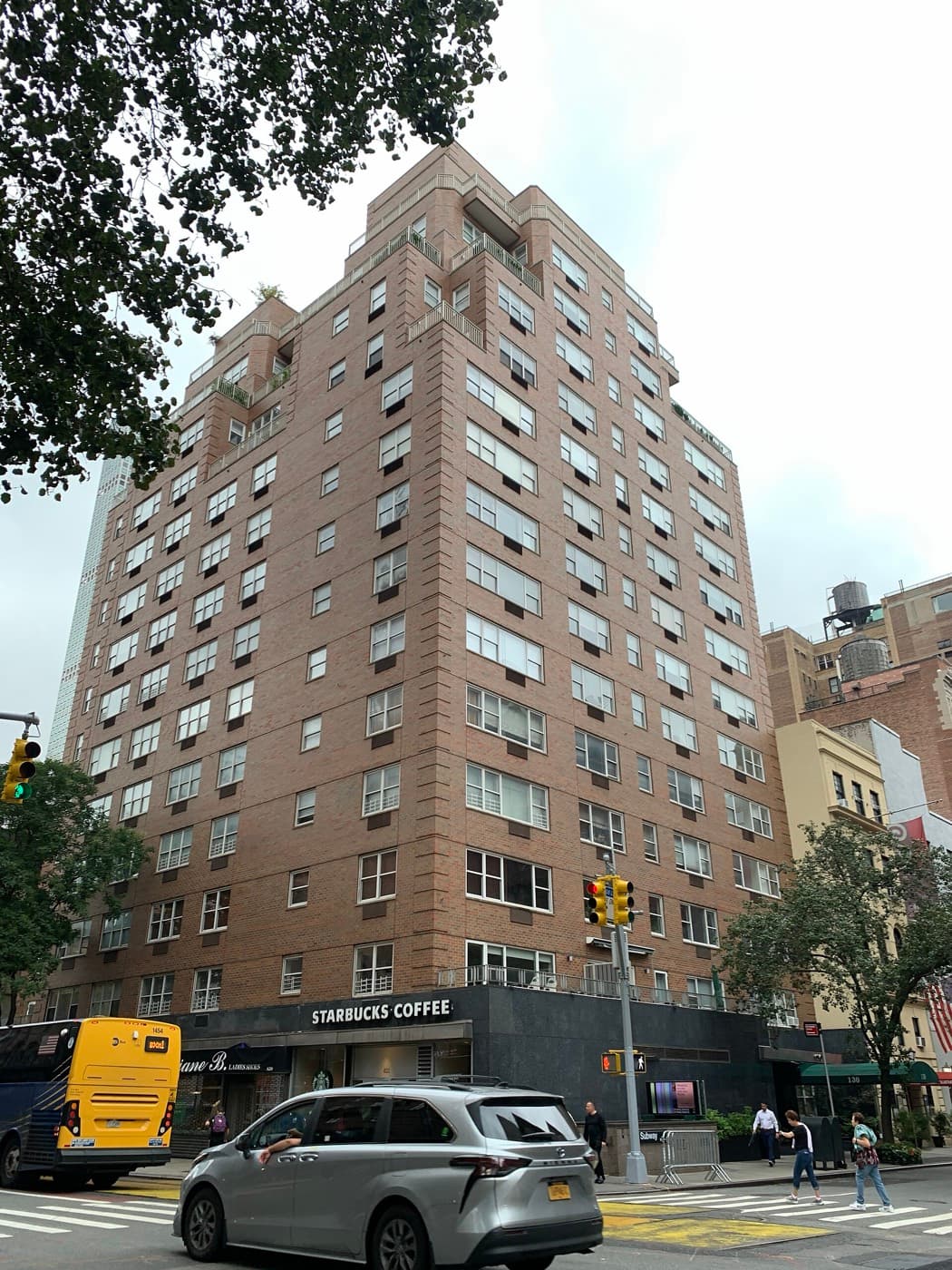
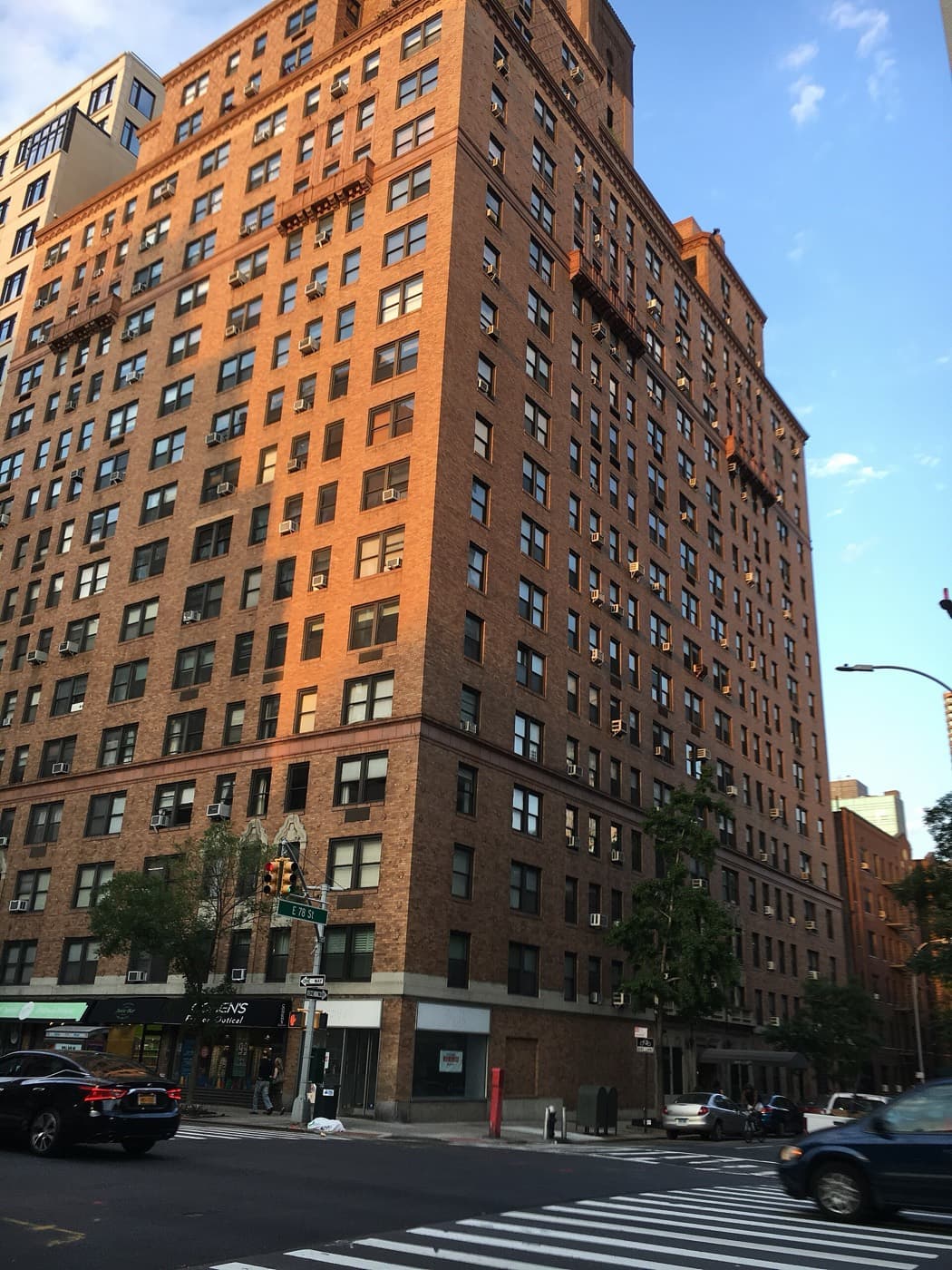
The postwar full-service cooperatives are the working middle of the market. 150 East 69th Street, an Emery Roth & Sons building of 378 apartments completed in 1959–1960, and 360 East 72nd Street, a 1963 tower of 436 apartments with financing capped at 75 percent, are where a buyer with a budget and a closing date actually transacts. Deeper comparable sets, more predictable boards, and the doorman-and-elevator service package the prewar side streets often do not carry.
The condominium tier is 28 percent of the record and sits overwhelmingly east of Third. Manhattan House at 200 East 66th Street — Mayer & Whittlesey with Skidmore, Owings & Merrill, 1950, an individual New York City landmark since 2007 and converted from rental between 2007 and 2010 — is both the most-traded address in the neighborhood and the building that set the template for everything white-brick that followed it. 515 East 72nd Street, converted from Harry Macklowe's 1985 River Terrace, is the river-facing end of the same tier.
Price the cooperative stock per room with the board terms attached, and the condominium stock per square foot. Carrying a per-square-foot number across the tenure line is the most common analytical mistake made here, and it flatters the wrong side of the trade every time.
The historic district, and where it stops
The Landmarks Preservation Commission designated the Upper East Side Historic District in 1981. The original boundaries take in the Fifth Avenue frontage from 59th to 78th Street, both sides of Madison from 61st to 77th, both sides of Park from just below 62nd to 72nd, and portions of Lexington from 63rd to 75th. On March 23, 2010 the Commission extended it, adding seventeen blocks immediately east of the original district between East 60th and East 75th Streets, reaching the side-street and townhouse fabric the first designation had left out.
Read those boundaries against the trading record and the neighborhood's structure resolves. The overwhelming majority of the prewar cooperative stock sits inside LPC jurisdiction. The high-volume towers east of Third sit outside it, with the notable exception of Manhattan House, which carries individual landmark designation on its own account rather than through any district.
For a buyer this is a live operational fact, not a plaque. Inside the district, exterior work — windows, storefronts, façade repair, rooftop additions visible from the street — requires a Certificate of Appropriateness, which means a timeline, a cost premium, and a public process that a neighbor can participate in. Buildings inside the district carry that cost in their capital planning whether or not the offering plan says so, and a façade cycle at a landmarked prewar cooperative is a materially different assessment than the same work at a 1963 tower. Outside the district none of that applies, and the same work is a contractor and a permit. Establish which side of the line an address sits on before underwriting the building's capital position.
The hospital, and a nine-year construction horizon
On August 14, 2025, following a seven-month public review, the City Council approved the rezoning for Northwell Health's redevelopment of Lenox Hill Hospital at 100 East 77th Street. The approved building stands at 370 feet, reduced from the 516 feet originally proposed after sustained community opposition. Northwell's own published estimate puts construction at roughly nine years — approximately six to six and a half years of exterior work and three to three and a half years of interior work, with the phases overlapping.
That is the most consequential dated fact on this map for anyone buying in the northern half of the neighborhood. A buyer closing in 2026 on a high floor with a sightline to 77th Street is buying into most of a decade of active construction — noise, staging, truck traffic, and the possibility that a view corridor changes. A buyer three avenues away is buying proximity to an expanded medical campus with no real exposure to the build. The difference will not be volunteered in a listing, so for any address within a few blocks of 100 East 77th Street, establish the sightline yourself and treat a view premium on the affected lines as provisional.
What to know if you're buying here
Underwrite the board before you underwrite the apartment. In a market that is 65 percent cooperative and 91.7 percent arm's-length, the binding constraint on your purchase is not price — it is approval. Get the financing cap, the post-closing liquidity expectation, the debt-to-income standard and the flip tax in writing from the managing agent before you make an offer, not after you are in contract. A building that caps financing at 50 percent has quietly repriced itself for you.
Establish which side of Third Avenue your comparables are on. The landmarked prewar core and the eastern tower belt trade on different logic, carry different obligations and respond to different buyers. A comparable set that crosses the seam without adjusting for it will be wrong, and it will usually be wrong in the direction that costs you money.
Read the capital plan against the district boundary. Inside the historic district, exterior work carries a Certificate of Appropriateness and the schedule and cost that come with it. Ask what façade and window work has been completed, what is scheduled, and how it is being funded. This is where a building's real carrying cost lives, and it does not appear in the maintenance figure.
For anything near 100 East 77th Street, price the construction. Nine years is longer than most people hold an apartment. Establish the sightline, ask the managing agent what the building expects, and do not pay a view premium on a view that has an approved tower in front of it.
What to know if you're selling here
Your comparable set is smaller than your building's sale history suggests. Depth of record is not the same as depth of comparables. At an address with hundreds of recorded trades, the apartments that actually price yours are the ones matching your line, exposure and room count — and in a prewar building with combinations, that set can be in the single digits. Build it from the line, not from the building.
Board terms are part of your pricing. A restrictive financing cap or a no-sublet policy narrows your buyer pool before the apartment is seen, and it is better to price for that pool than to discover it across three months of failed applications. In the most restrictive buildings, plan for a longer marketing period rather than treating it as a pricing problem.
Bring the capital picture forward. In a neighborhood where a large share of the stock is landmarked prewar, buyers and their attorneys will ask about assessments, façade cycles and the underlying mortgage. A seller who can answer those questions on day one — with the financial statements and board communications to hand — removes the single most common cause of a re-trade at this end of the market.
Where it sits in the Index
Lenox Hill is the largest single neighborhood series we publish — 28,100 index-eligible sales and 288 building profiles, running back to 1994 — and it carries no publication caveat, which among the Manhattan leaves is not the norm. Both the cooperative and condominium series stand on their own rather than leaning on the parent market, which makes this the reference point to comp against when a smaller neighborhood's numbers move on a handful of trades. See the Roebling Index for the current read.
Run the numbers
Related guides
- Yorkville — A Buyer's Guide — the neighborhood directly north, and the most common mis-comp
- Carnegie Hill — A Buyer's Guide — the prewar cooperative market above 86th
- Manhattan Apartment Buying Guide — Pillar 2
- NYC Real Estate Tax & Closing Cost Guide
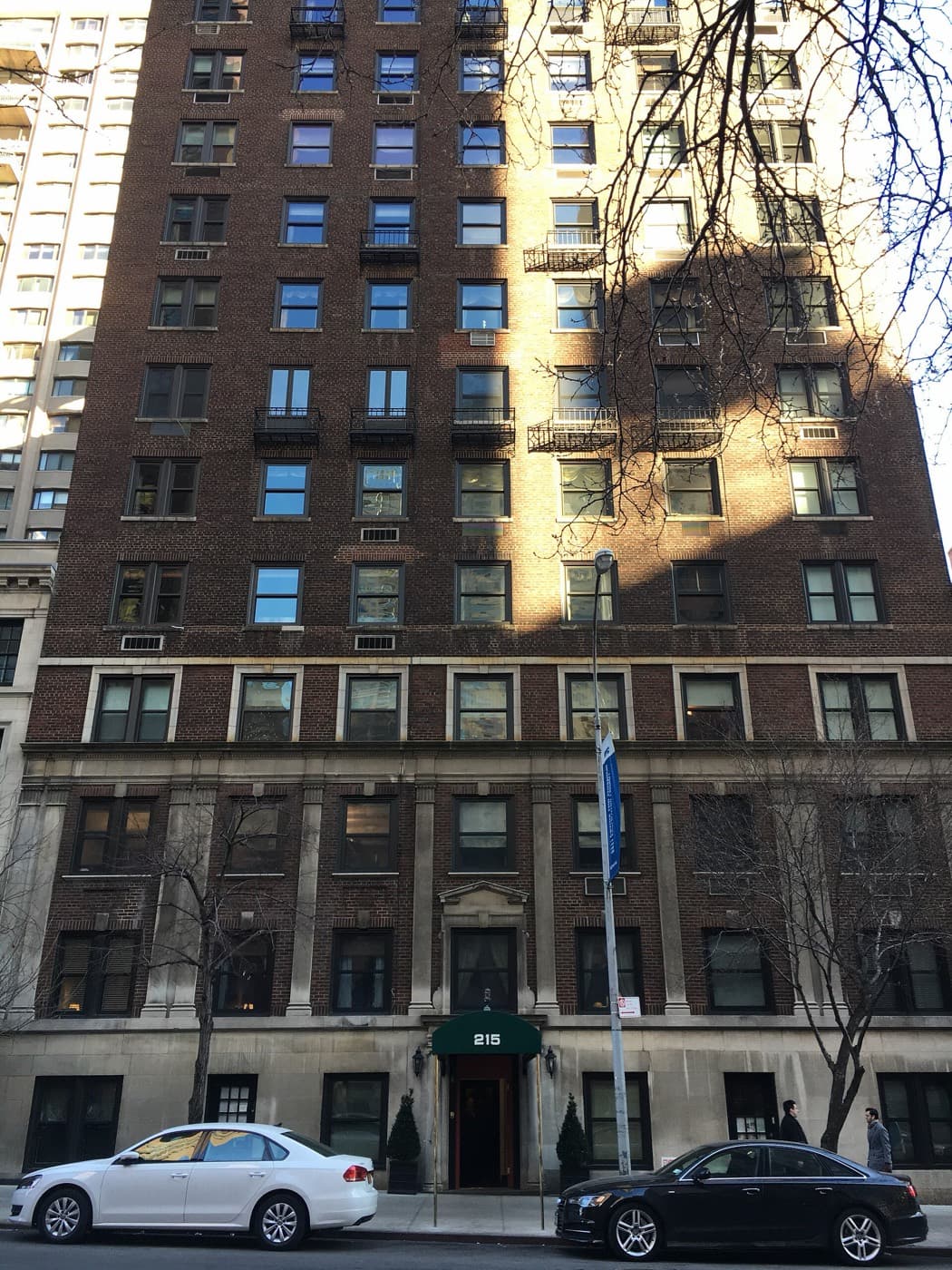
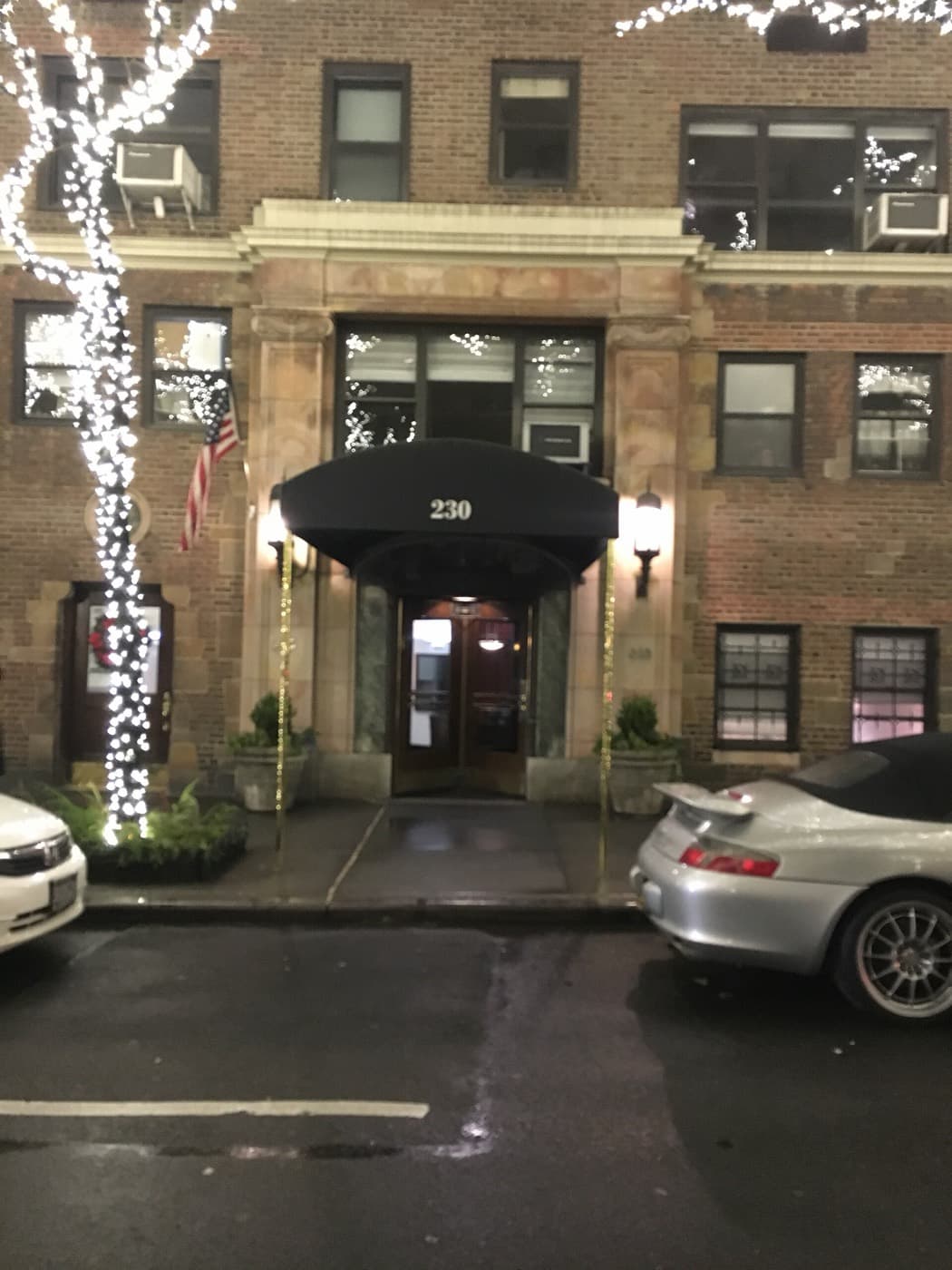
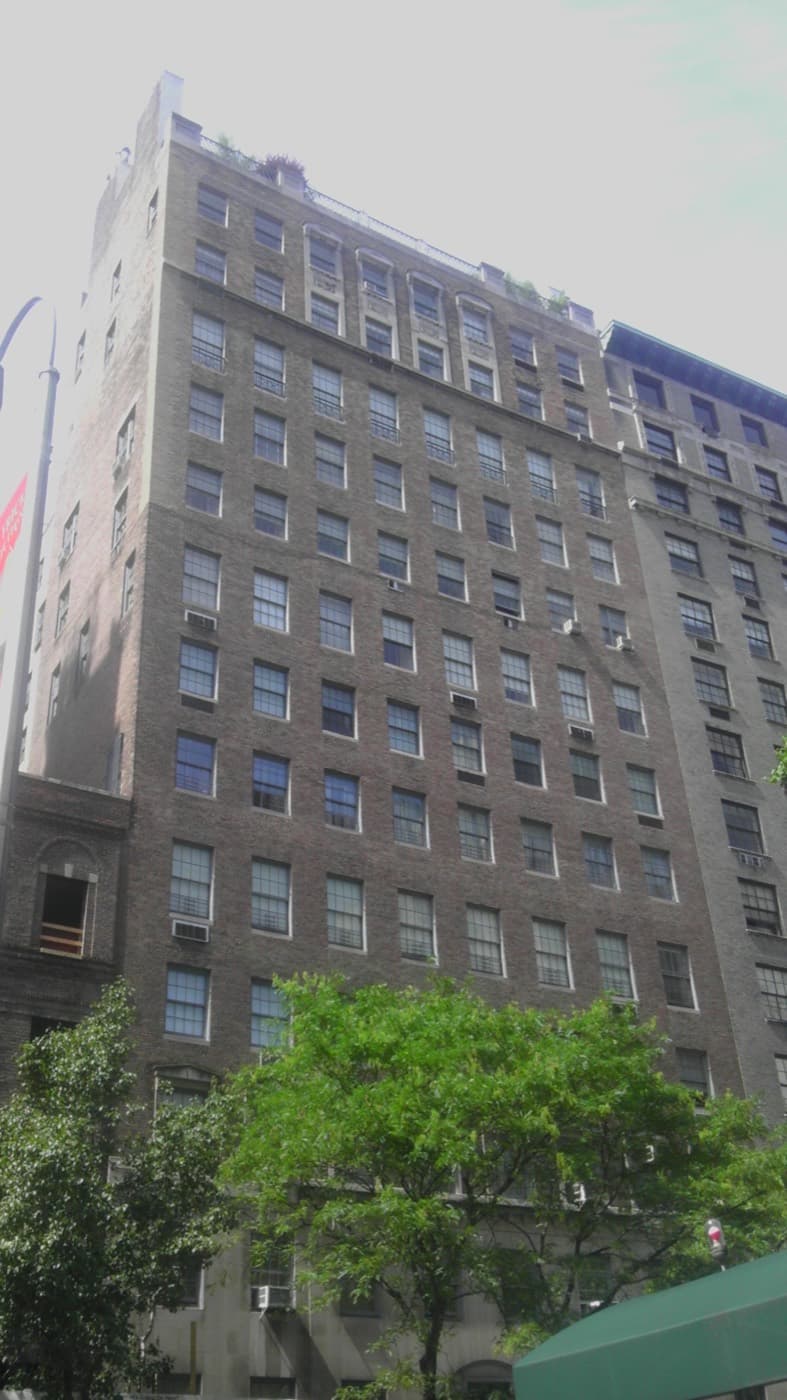
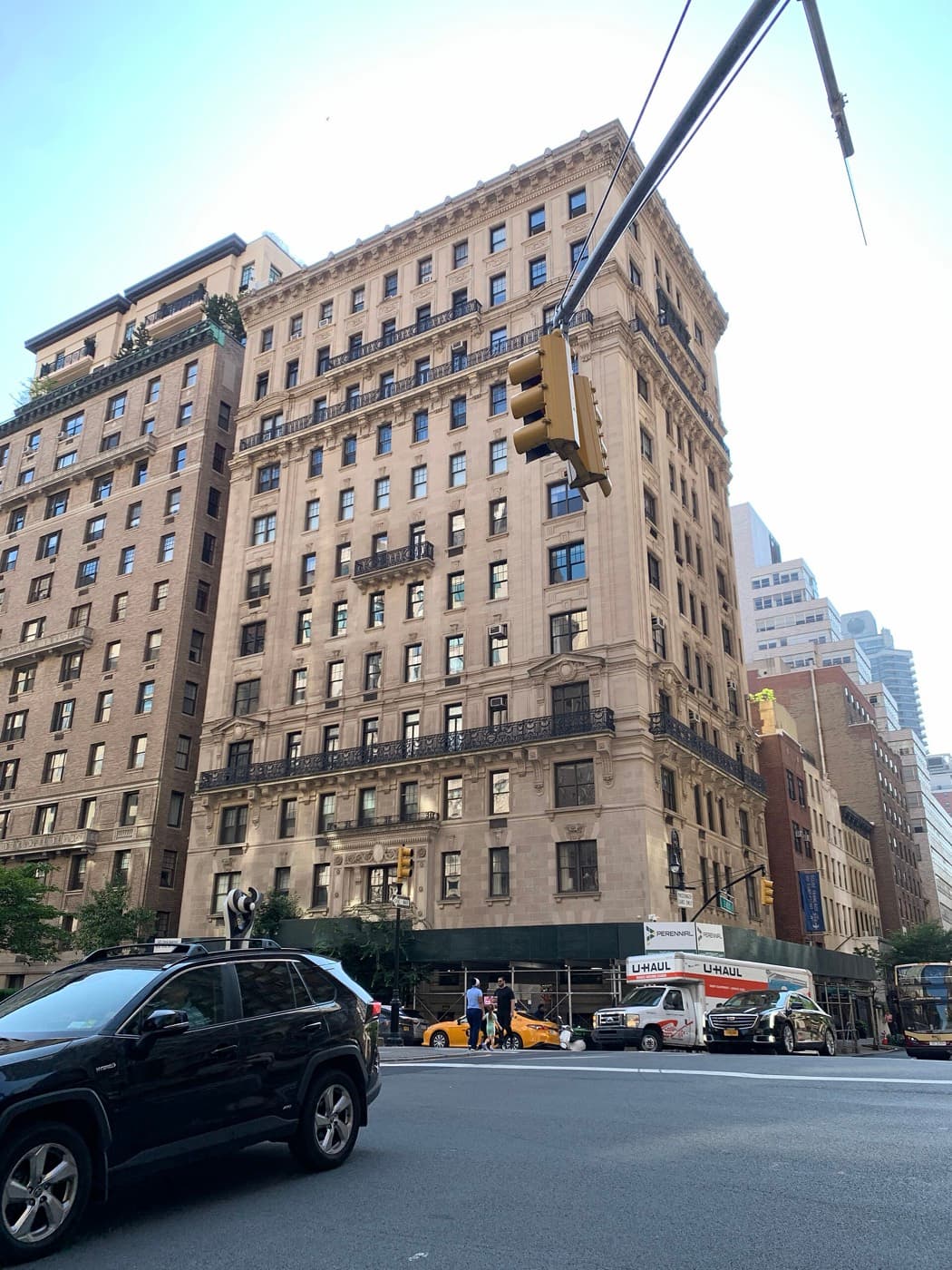
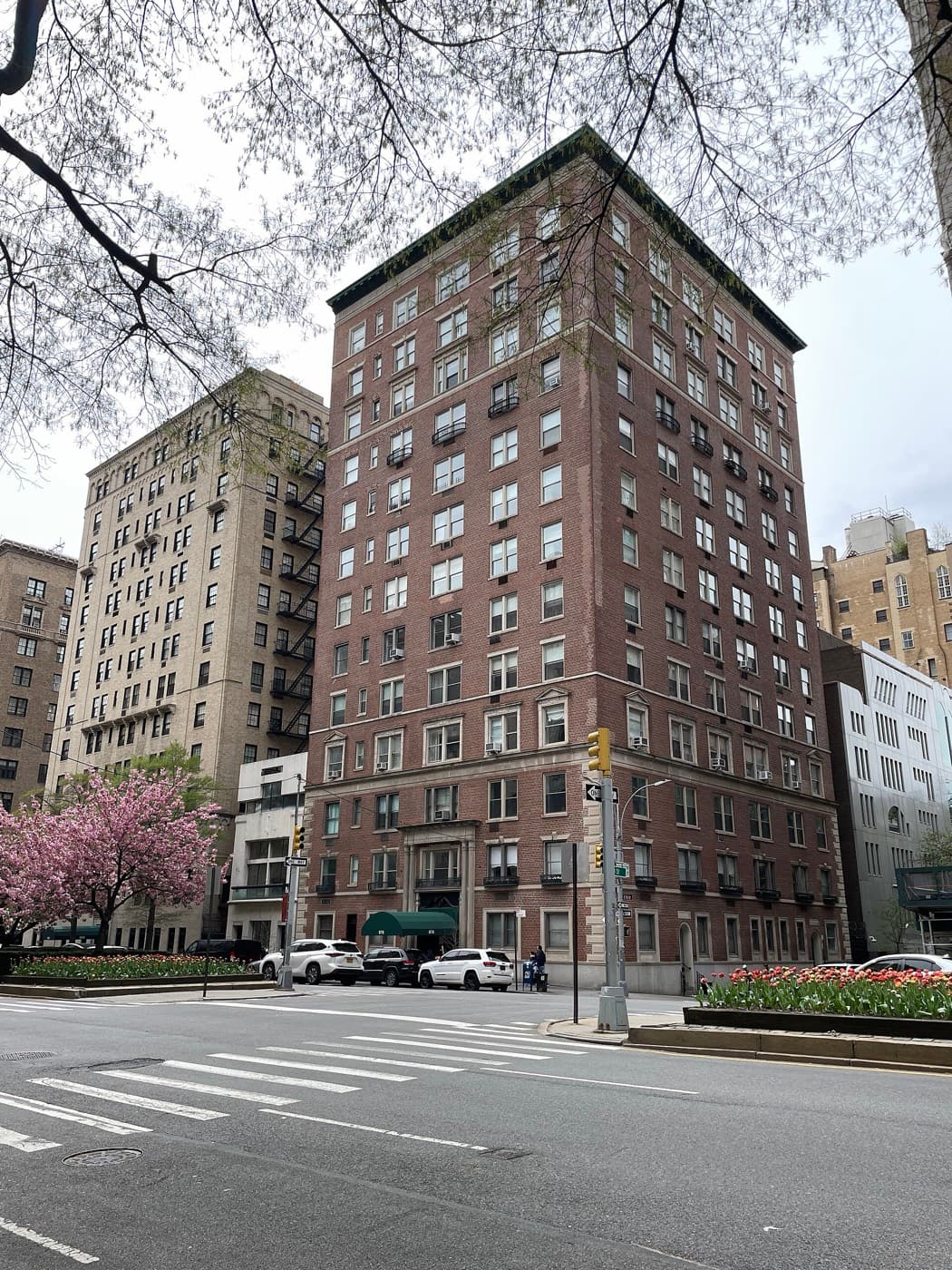
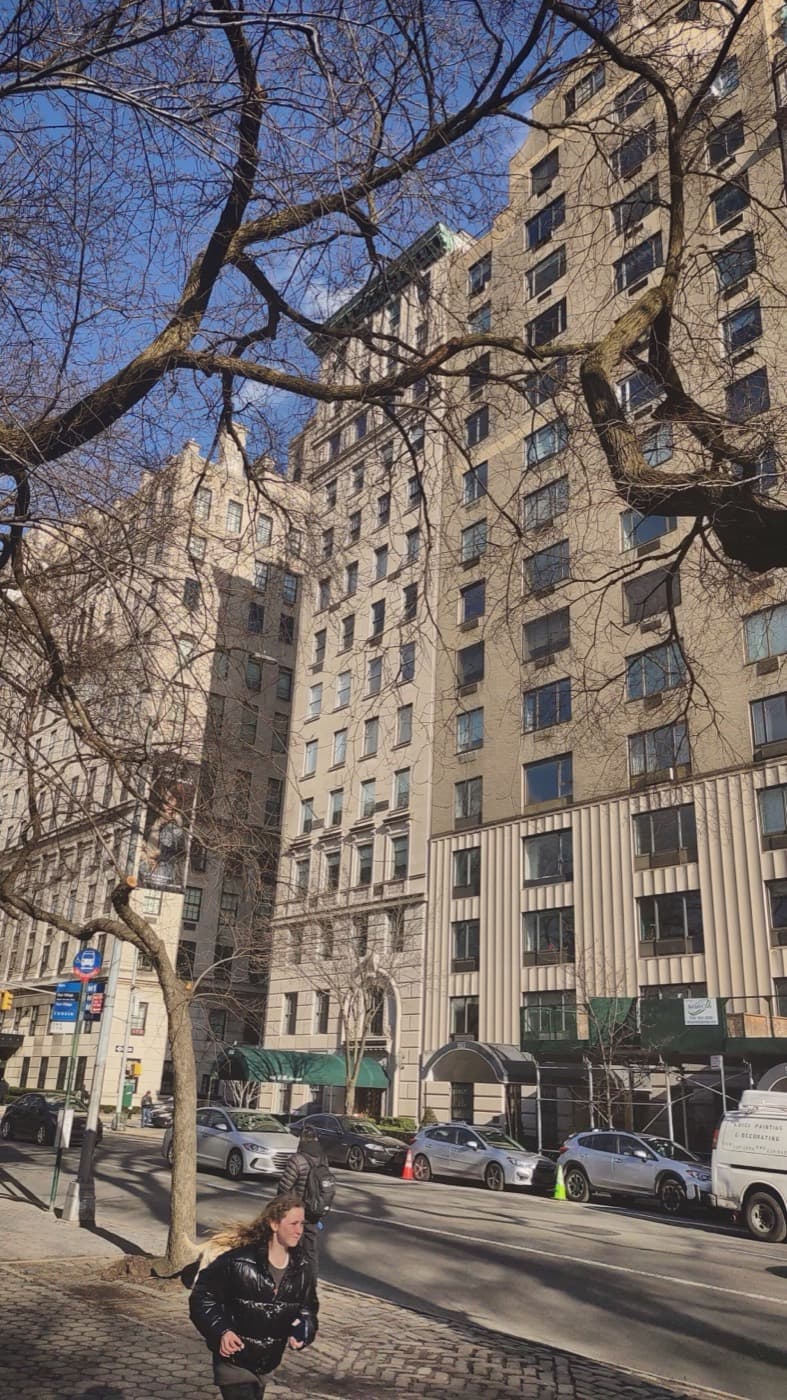
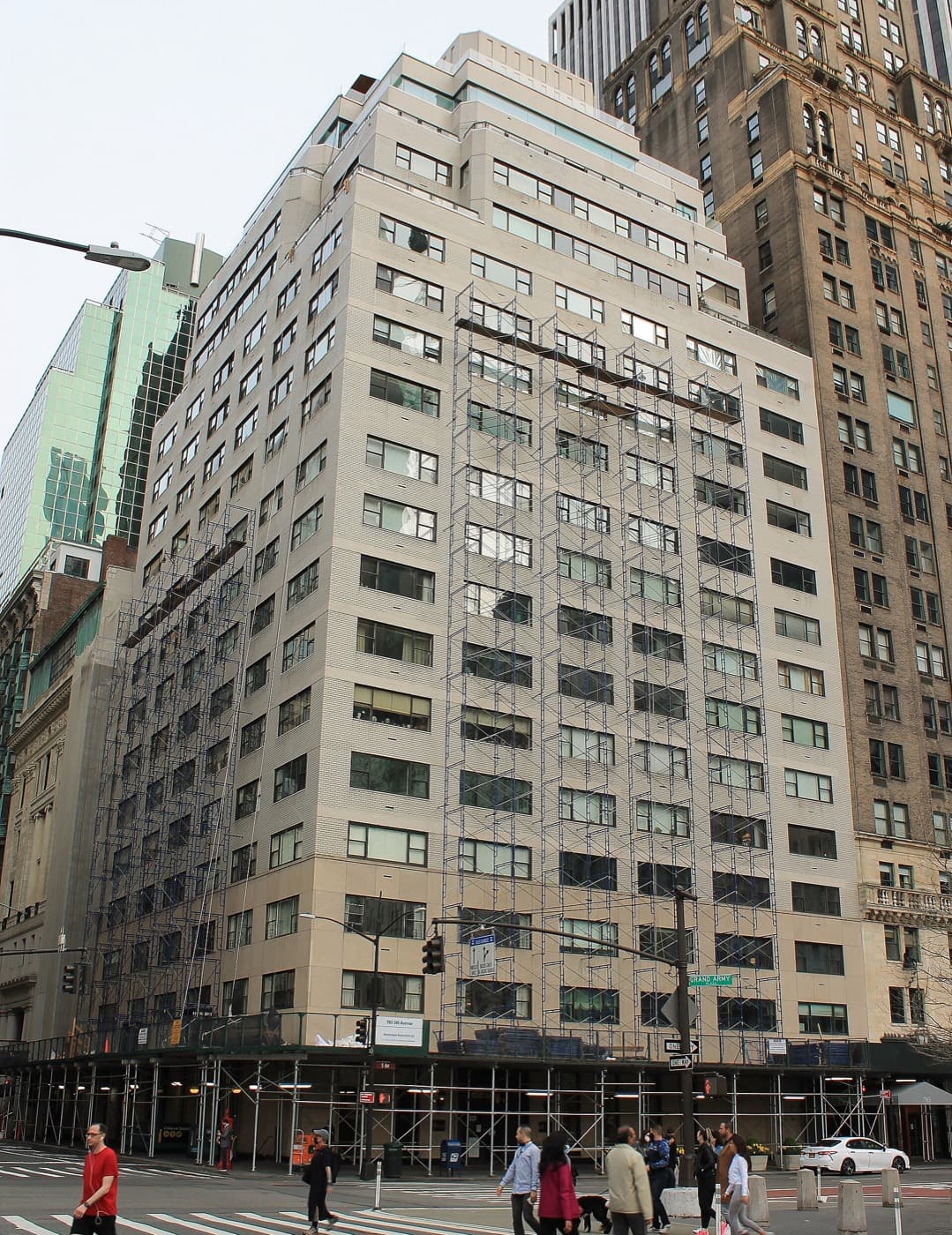
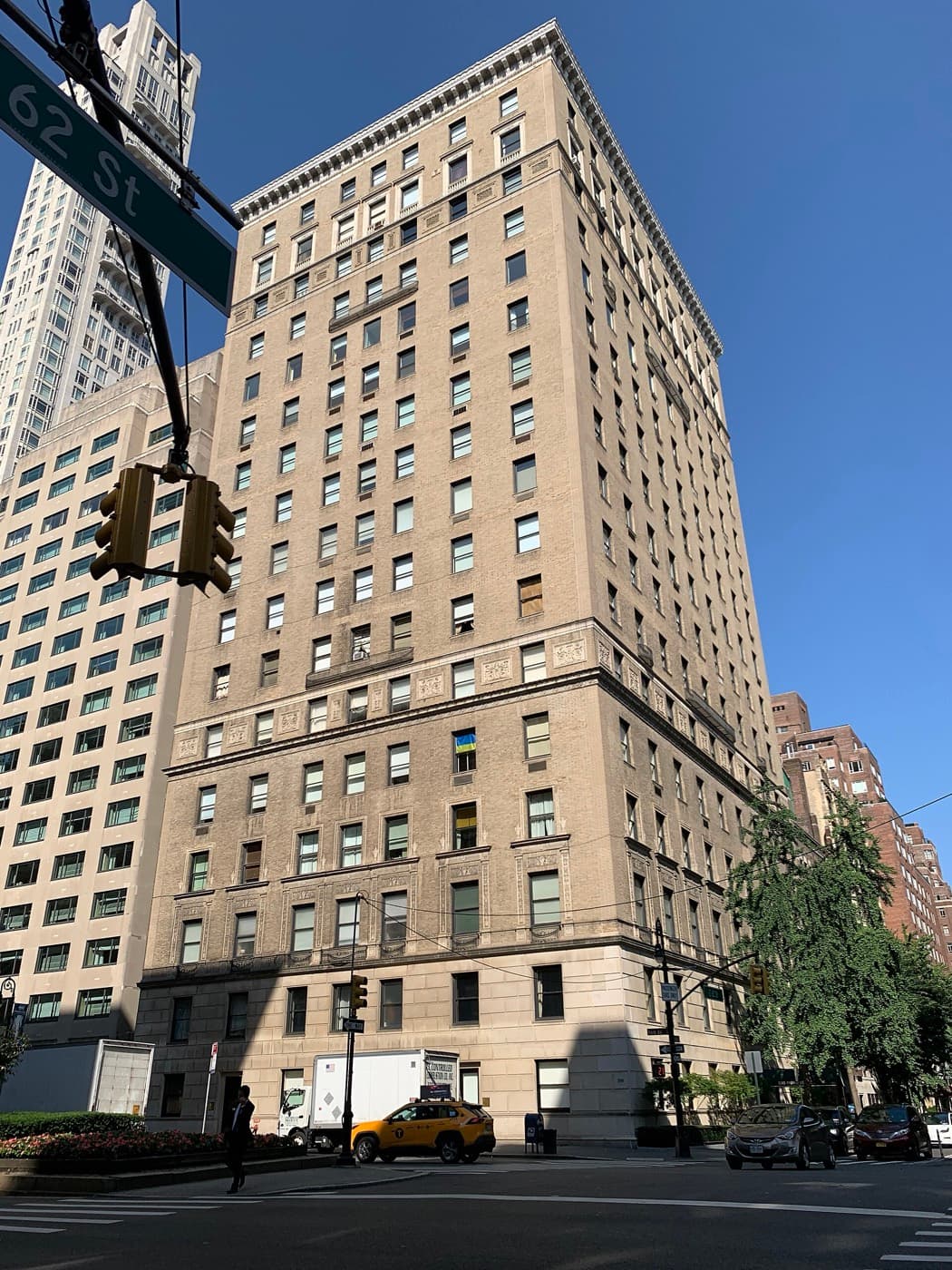
Buildings in Lenox Hill



















Get the neighborhood read on your building.
See how your apartment compares with the rest of Lenox Hill, or get a market update tuned to this neighborhood — sent to you directly.